
Last updated November 16, 2026
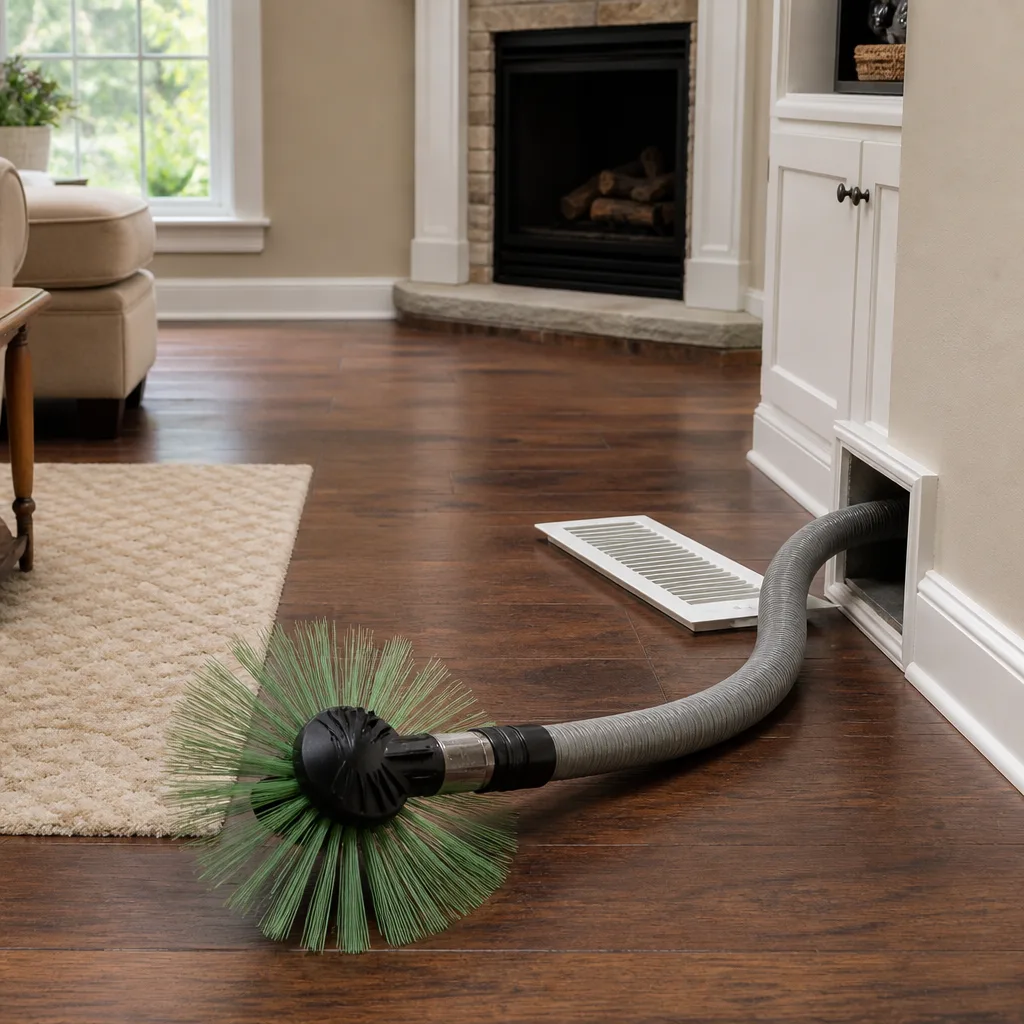 Whole-home duct cleaning
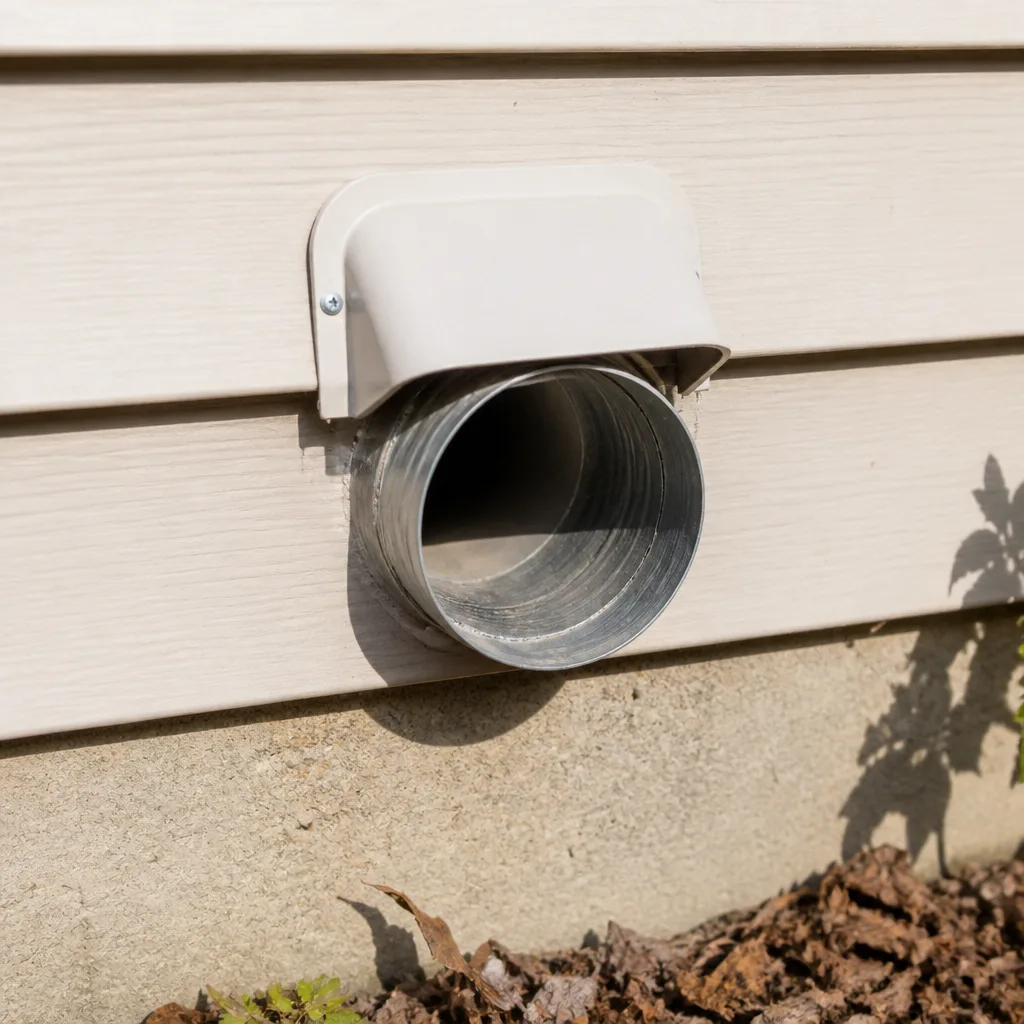 Dryer vent cleaning
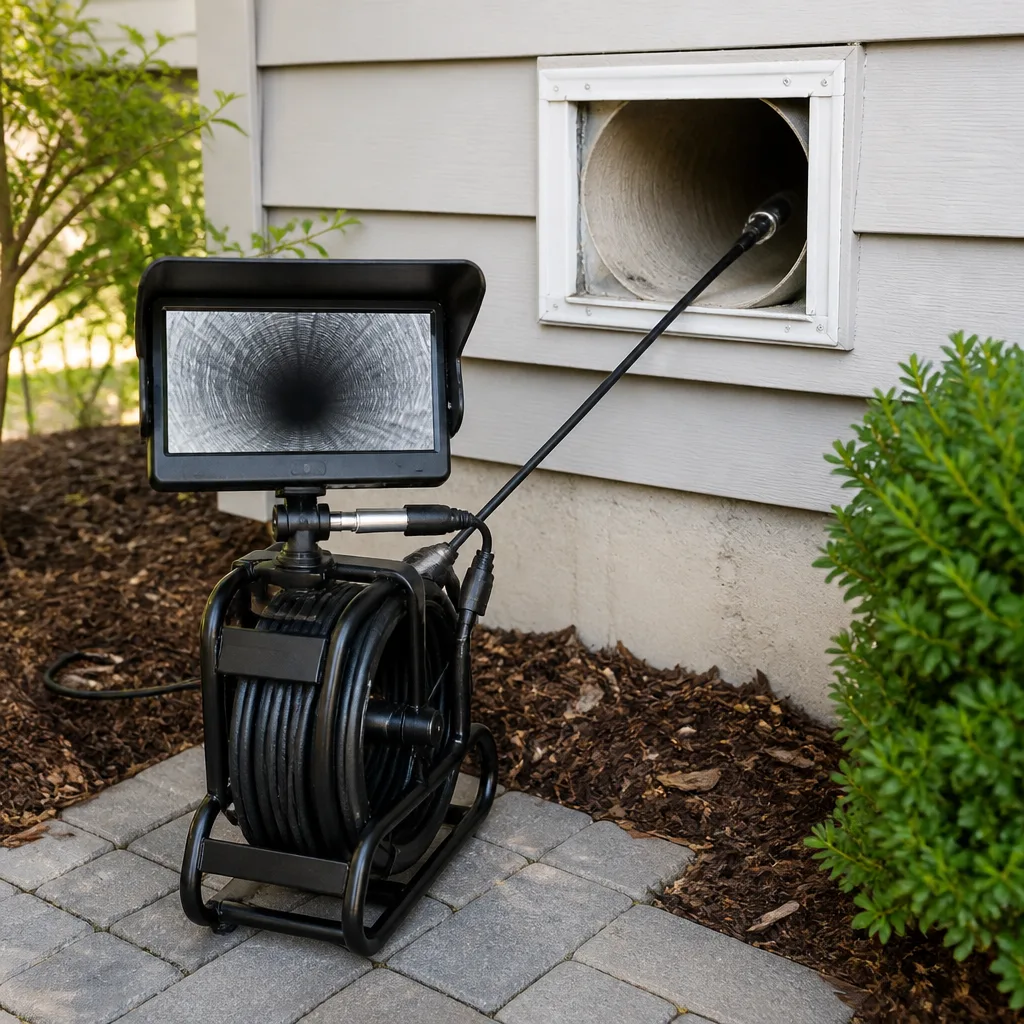 Camera inspection
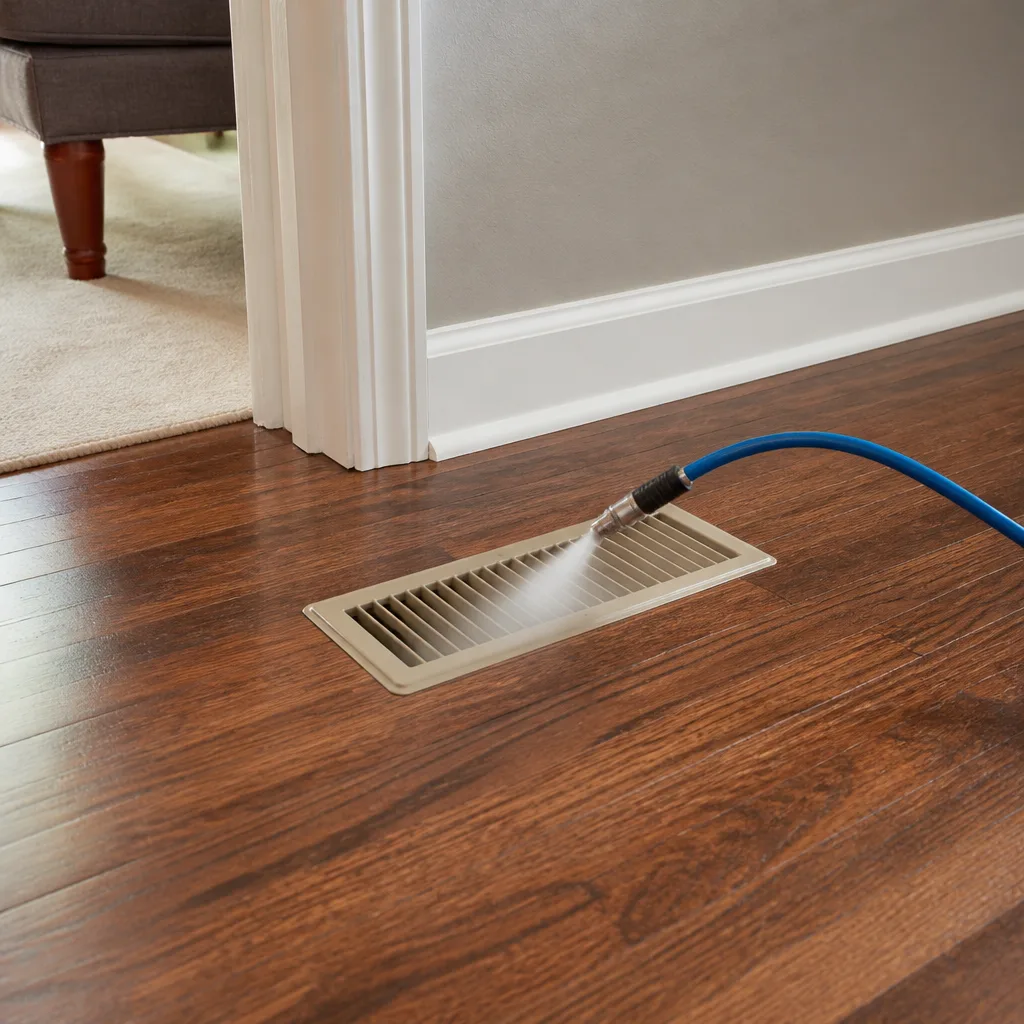 Sanitizing & deodorizing
Whole-system duct and dryer vent check with before-and-after photos - you see exactly what came out of your vents
That "$99 whole-house special" is a bait ad - the real number appears once they are in your hallway, or the "clean" is a shop-vac at the register. We photograph the inside of your ducts before and after instead.
Seasonal Air Duct Cleaning Care for Abilene: Year-Round Homeowner’s Guide
Most homeowners treat duct cleaning as a once-a-year checkbox, timed to whenever they happen to remember. That’s the wrong frame. In Abilene, the air moving through your ducts changes character four times a year, and each season leaves something different behind in the system. Spring carries cotton gin residue and soil particulates picked up by wind. Summer pushes debris deeper as the system runs hard. Fall brings harvest dust. Winter’s first heating cycle bakes everything that settled since March onto the duct walls. This guide walks through each season, what it deposits, and how to time professional care and simple homeowner habits so your air stays cleaner all twelve months.
Quick Answer
The best time for professional duct cleaning in Abilene is late spring, before peak cooling season, or early fall, before the furnace starts running. Those two windows mean you pull the accumulated debris out before the system pushes it deeper or heat-cures it to the duct walls. Between cleanings, a filter swap at each season change and a visual register check once a month slow recontamination dramatically in Abilene’s dry climate.
Styles & brands we work with
- Whole-home duct cleaning
- Dryer vent cleaning
- Camera inspection
- Sanitizing & deodorizing
Table of Contents
- Why Abilene’s Seasons Hit Ducts Differently
- Spring: Cotton Gin Residue and Wind-Driven Soil
- Summer: Peak Runtime Pushes Debris Deeper
- Fall: Harvest Dust and the Heating Transition
- Winter: The First Heating Cycle Bakes It In
- The Best Time of Year to Schedule Cleaning
- How Dry West Texas Air Changes Dust Behavior
- Build a Simple Seasonal Log for Your System
Why Abilene’s Seasons Hit Ducts Differently
Duct contamination isn’t a fixed quantity. It’s a running balance between what enters the system and what leaves it. In a place like Abilene, where agricultural activity, open land, and wind intersect with a long cooling season, that balance shifts noticeably with each season. The dust in June is not the dust in December. Different particle sizes, different moisture content, different adhesion.
Compare Abilene to a humid climate. Along the Gulf Coast, dust sticks to duct surfaces because ambient moisture makes it tacky. It accumulates in soft, clumpy layers that are relatively easy to agitate loose but hard to extract completely. In dry West Texas, particles stay loose and powdery. They travel farther inside the duct run before settling, and they tend to accumulate on horizontal runs, on top of turning vanes, and at register boots. That difference matters for cleaning method. A loose, dry deposit responds well to mechanical agitation paired with strong negative pressure; the debris releases and gets pulled out rather than smeared.
That’s why we use Rotobrush rotary-brush systems and Nikro HEPA vacuums together on Abilene jobs. The brush physically lifts the material off the duct wall, and the HEPA vacuum extracts it. One without the other either stirs dust into the room or leaves it on the metal. For the same reason, we run Abatement Technologies air filtration during the job, the same containment-grade equipment used in remediation work, so the particulate we free up doesn’t end up in your living room.
Treat the seasons as a maintenance calendar, not a vague “remember to clean the ducts” reminder. Each one has a specific job.
Spring: Cotton Gin Residue and Wind-Driven Soil
Spring in Abilene is a wind event more than it is a temperature event. The region sits in a stretch of West Texas where spring gusts lift loose soil from open fields and carry fine organic material from agricultural processing. Cotton gin residue is the standout. These are fine, fibrous particles that pass through standard air filters more easily than you’d expect because they’re small and irregularly shaped.
What ends up in the ducts after a windy spring is a layer of fine, light-colored dust with visible fiber content. It’s most concentrated right at the return-air grilles and in the first few feet of the return plenum, because that’s where the air slows down and drops its load. Supply runs pick up less, but the material that does reach them settles at the transitions and elbows.
Homeowner actions for spring:
- Swap the filter at the start of spring, not just whenever it looks dirty. Spring loads faster than winter.
- Check return grilles every two to three weeks during windy stretches. Hold a flashlight at an angle; the deposited film shows up clearly.
- Keep windows closed on high-wind days, especially if you live near open land or agricultural property.
- Use a filter rated appropriately for your system. A Honeywell filter matched to your air handler’s rated static pressure keeps airflow steady while catching more fine particulate than a basic fiberglass pad.
Spring is also the season to look at the ductwork itself. Wind-driven soil often finds its way into small cracks at joints and at the seams where flex duct connects to rigid trunk lines. If you notice dusty streaks around a joint, that’s air leaking in or out, and both directions matter. That’s one reason we offer air duct cleaning alongside a standalone duct repair service: we can clean the duct, then repair it, without you sourcing a second contractor.
Summer: Peak Runtime Pushes Debris Deeper
Summer amplifies whatever spring left behind. When the air conditioner runs most of the day, duct velocity stays high, and that high-velocity air keeps fine debris suspended and moving. The material doesn’t stay at the grille. It gets carried down the supply lines and deposited at the far end, in the last few feet before each register, and in the branches that serve rooms farthest from the air handler.
This is a mechanical point worth understanding. Debris accumulates where airflow drops. In summer, registers are open wide, and the farthest branches see slower air. That’s where the deposits thicken. By August, in many Abilene homes, the supply runs that serve back bedrooms and hallway bathrooms carry noticeably more sediment than the short, direct runs.
Summer homeowner actions:
- Check supply registers monthly. A white tissue held near a register face tells you airflow and catches the fines that collect on the louver.
- Watch for dust patterns in each room. Streaks where a register blows on a wall or a piece of furniture usually mean loose particulate leaving the duct.
- Track runtime. If your system is cycling constantly through July, that’s the highest-load window for your ducts.
- Consider an Aprilaire filter upgrade if your current filter is catching less than it should. A filter cabinet rated for your system’s airflow does more than a high-MERV filter jammed into a tight slot that starves the blower.
- Keep a notepad or spreadsheet of what you see. That log becomes genuinely useful by the second summer.
The summer threat is cumulative. Debris pushed to the far end of the supply runs doesn’t come back. It sits there, slowly compacting, until someone extracts it. That’s why a late-spring cleaning is so valuable: it removes the load before peak runtime drives it deep into places a simple vacuum can’t reach.
Fall: Harvest Dust and the Heating Transition
Abilene’s fall is when agricultural dust peaks. Harvest activity across the surrounding region sends fine grain dust and plant material into the air for weeks. It settles on every surface that’s exposed, and inside your home, your HVAC system is the largest such surface.
Fall dust is finer and more abrasive than spring dust. It’s also more likely to reach the supply side, because in fall, homeowners start the furnace for the first time. That simple act changes airflow direction and velocity. Dust pulled from the return during the cooling season may be pushed forward during the first heating cycle. Any deposits sitting on a duct wall adjacent to the plenum get swept toward the supplies.
Fall is also the season for a visual inspection of the heating side. Look at what the supply registers deposit on the first cool evening. A thin film of tan or gray dust on a register face in October is common. That’s not an alarm; it’s a signal that the system is redistributing what accumulated over the summer.
Fall homeowner actions:
- Swap the filter again at the start of fall. This is the most common missed filter change.
- Wipe registers with a damp cloth so you can see what appears afterward. A clean register makes new deposition obvious.
- Before the first heating cycle, run the fan briefly and note any musty or burn-off smell. Those are worth a professional inspection, not a candle.
- Check the dryer vent. Fall is often when households re-enter heavy laundry routines, and lint accumulates noticeably after a summer of light use.
Speaking of dryer vents, this is a service that most homeowners treat as an afterthought and shouldn’t. Dryer vent cleaning addresses a fire hazard documented by the U.S. Fire Administration as responsible for thousands of residential fires annually. In fall, when dryer use rises, that lint load builds up faster than you think. We treat it as a core service rather than an add-on, which is why dryer vent cleaning deserves its own line in your seasonal log.
Winter: The First Heating Cycle Bakes It In
Winter in Abilene is mild by national standards, but the heating season still matters because of what it does to accumulated debris. The first serious heating run can bake light dust onto the warm surfaces of the heat exchanger and plenum. It can also dry out any organic material that came in during fall harvest until that material hardens and clings. Once it’s baked on, agitation and extraction become harder.
This is the core argument for early-fall cleaning rather than winter cleaning. If you wait until December, you’re extracting material that’s already been heat-cured onto the duct surfaces. It usually comes off with the right equipment, but it takes longer. In our experience, fall-cleaned ducts stay cleaner through winter than ducts that were only touched in spring.
Winter homeowner actions:
- Listen to the system at startup. New rattles, whistles, or air noises at registers are worth investigating before they become expensive.
- Watch for condensation around registers in bathrooms and kitchens. Mild Abilene winters don’t often create it, but a badly sealed register in a humid room can.
- Note any rooms that feel colder than others. Uneven heating is often a duct issue rather than a furnace issue.
- Keep the filter clean. A loaded filter starving the blower doesn’t heat as well, and the added strain costs more than the filter.
- Re-check the dryer vent after the holiday laundry burst. This is a good month to schedule dryer vent cleaning if it’s been more than a year.
Winter is also the right time to think about the air purifier or filtration upgrades that pair with your system. Winter air in Abilene can be very dry, and the combination of dry air and light dust makes indoor air feel worse than it is. A properly matched filter cabinet or an Aprilaire humidifier-style IAQ add-on can smooth the season out. We work with Honeywell and Aprilaire because homeowners recognize both names and can verify the products independently.
The Best Time of Year to Schedule Cleaning
There are two optimal windows for professional duct cleaning in Abilene. Each has a mechanical reason, not just a seasonal one.
Late spring, before peak cooling. Cleaning in April or early May removes the spring accumulation before the air conditioner starts its high-velocity season. Debris extracted in April can’t be pushed deep into the supply runs in July. This window is especially valuable if your system runs hard from May through September.
Early fall, before the first heating cycle. Cleaning in September or October removes summer accumulation before the heating system bakes it onto the duct walls. It also pulls out the fall harvest dust before the furnace distributes it through the home. This is our preferred window for homeowners who only want one professional cleaning per year.
Both windows work. The right one for you depends on which season seems to be depositing more in your particular system. That’s exactly what a manageable seasonal log tells you.
For homeowners with allergies or asthma in the household, we often recommend an additional inspection in the spring even if a full cleaning isn’t needed. Fine particulate behavior differs person to person; what’s tolerable in one home is miserable in another. A visual camera inspection of a couple of return and supply runs takes very little time and answers the question directly.
If you’re not sure which window fits your home, ask us. Duct Cleaning Abilene offers free estimates, and part of that estimate is a conversation about the system’s history and what you’ve been noticing season to season.
How Dry West Texas Air Changes Dust Behavior
The single biggest reason Abilene ducts behave differently from ducts in humid cities is moisture. Dry air means dry dust. Dry dust is lighter, travels farther, and is less likely to cling in sticky layers. It accumulates in powdery deposits that respond well to mechanical agitation but are easier for a poorly-equipped cleaning crew to just stir up without extracting.
That difference rewards specific equipment choices. In humid climates, a strong vacuum alone often handles the job because the dust doesn’t scatter much. In dry climates, vacuum alone can loft fine particulate back through the return ducts and into the room. You need the brush to agitate the deposits and the HEPA vacuum to capture them at the same time. Rotobrush and Nikro are our picks for that pairing because both instruments are built for exactly this combination of agitation and capture.
There’s a second effect: because dry dust doesn’t stick to duct walls as readily, it’s also easier for dry ducts to shed the layer without it being noticed. Many homeowners assume the ducts “must be clean because there’s no visible dust.” That’s not what the ducts look like inside. The dust is there; it’s just being moved around, not accumulating in obvious drifts.
Dry air also affects the filter. Fine fiberglass-media filters can load quickly in a dry climate because the material they catch stays loose and doesn’t cake into a mat. That means they clog in a way that actually reduces airflow when it matters most, during peak cooling season. A pleated filter or a filter cabinet with more surface area handles the load much better. This is a case where the equipment upgrade pays for itself in air quality and airflow.
One useful habit during dry stretches: check the register nearest the return. That’s the dust catchment in any home, and it’s where you can see the system’s behavior most clearly.
Build a Simple Seasonal Log for Your System
A seasonal log doesn’t need to be complicated. A page in a notebook or a digital note in your phone is enough. The point is to track a few things so that patterns become visible across the year. Here’s a template you can copy.
Header fields, filled in once:
- Air handler location and filter type/size
- Number of return grilles and supply registers
- Duct type (rigid metal, flex, or mixed) if known
- Any rooms that have historically heated or cooled poorly
Seasonal entries, filled in four times a year:
- Date of filter change and the filter brand/model
- Filter appearance at change (light, medium, or heavy loading; type of debris visible)
- Results of the register flashlight check (clean, light film, heavy film, visible dust puff on startup)
- Dryer vent status (lint trap inspected, vent line checked, last professional cleaning)
- Any new sounds, smells, or airflow changes
- Any obvious leaks or dusty streaks at duct joints
- Whether professional service was performed and what was done
After two years, this log will tell you things no generic cleaning schedule can. You’ll know which season is hardest on your system, whether your filter choice is holding up, and whether a duct repair issue is developing.
When you do schedule professional service, ask for before-and-after photos of your own ducts. A reputable company will show you the pre-cleaning condition and the extraction results. That record belongs in your log too. It’s a mechanical baseline you can compare against next year.
Common Mistakes to Avoid
- Cleaning on an arbitrary quarterly schedule. Abilene doesn’t deposit the same load four times a year. Time the cleaning to the actual seasonal pressure your system sees, which is usually late spring or early fall.
- Skipping the filter change at the season change. The easiest filter to forget is the fall swap. It’s the most impactful, because that’s when the heating system first redistributes summer accumulation.
- Relying on a shop-vac and a hose. Consumer vacuums can’t create the negative pressure needed to extract deposit from a duct wall, and they can’t contain what they stir up. Professional-grade equipment is the difference between cleaning and redistributing. This is why we bring Rotobrush and Nikro to every job and pair them with Abatement Technologies air filtration.
- Assuming clean registers mean clean ducts. In dry West Texas, dust that sheds from the duct wall doesn’t always show at the register. A camera inspection answers the question; a visual glance rarely does.
- Ignoring the dryer vent because the ducts were cleaned. These are separate systems with separate risks. Dryer vent cleaning addresses a documented fire hazard that duct cleaning does nothing about. Schedule it as its own item.
- Treating a leaky duct joint as cosmetic. Dust streaks at joints mean air is moving where it shouldn’t, and that’s a duct repair issue, not a maintenance issue. We handle both as part of the same service relationship.
- Choosing a quote on price alone. Extremely low quotes usually mean a crew without the containment equipment to protect your home’s air during the job. Ask what equipment they bring and whether they photograph before and after.
See the difference
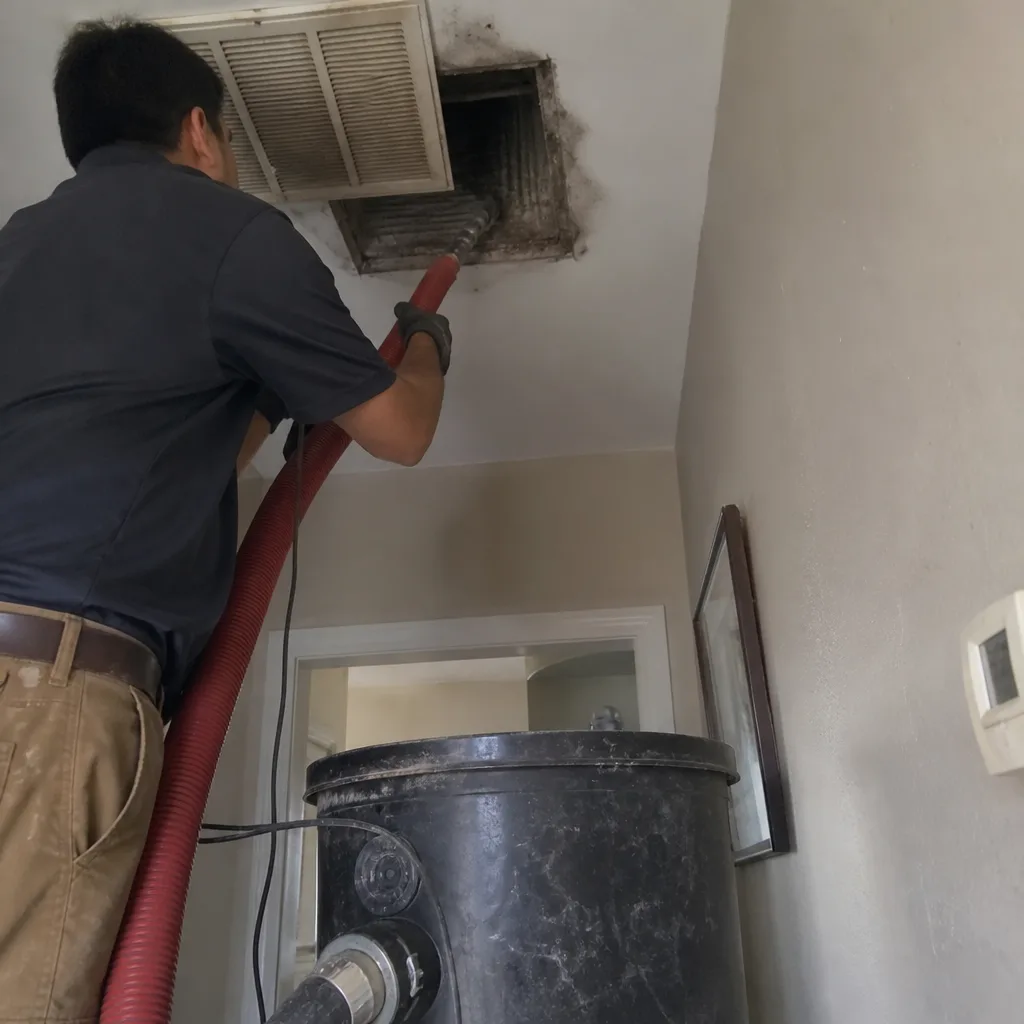 Before
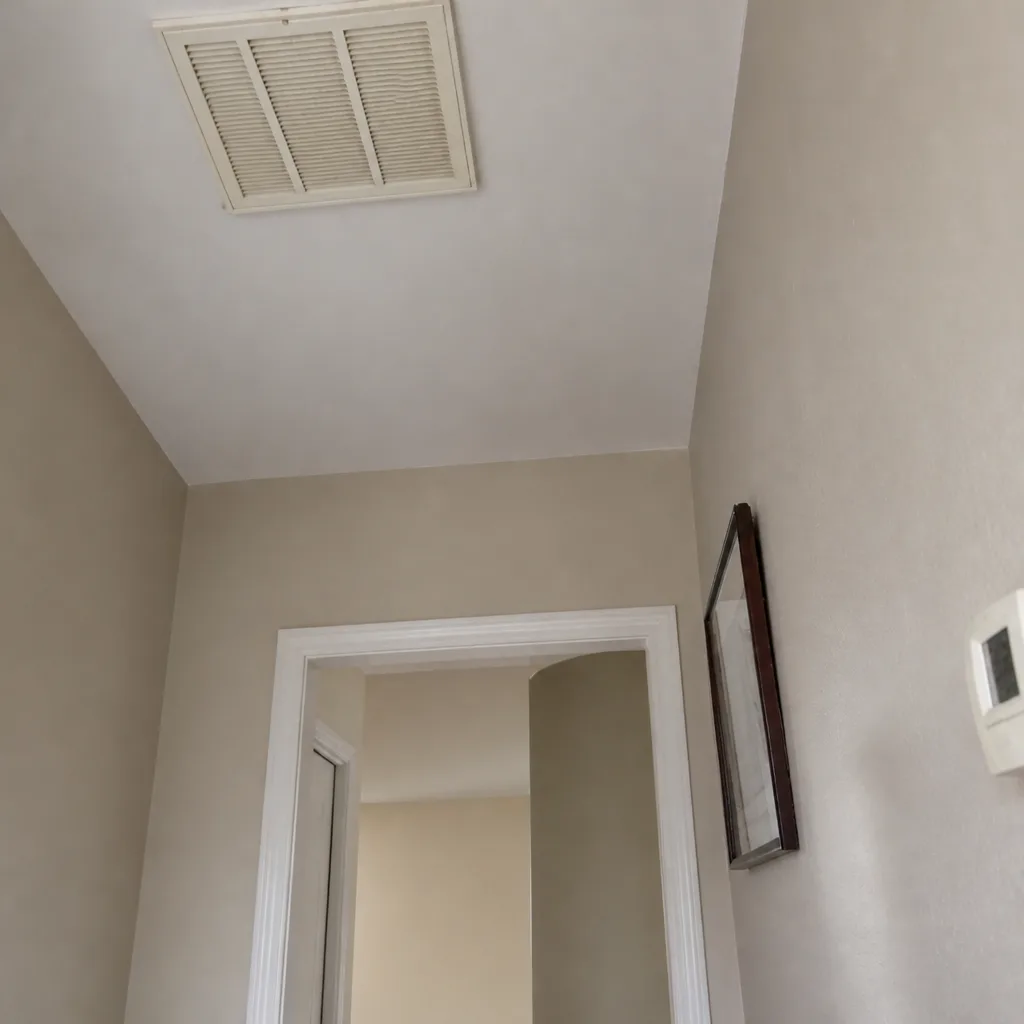 After
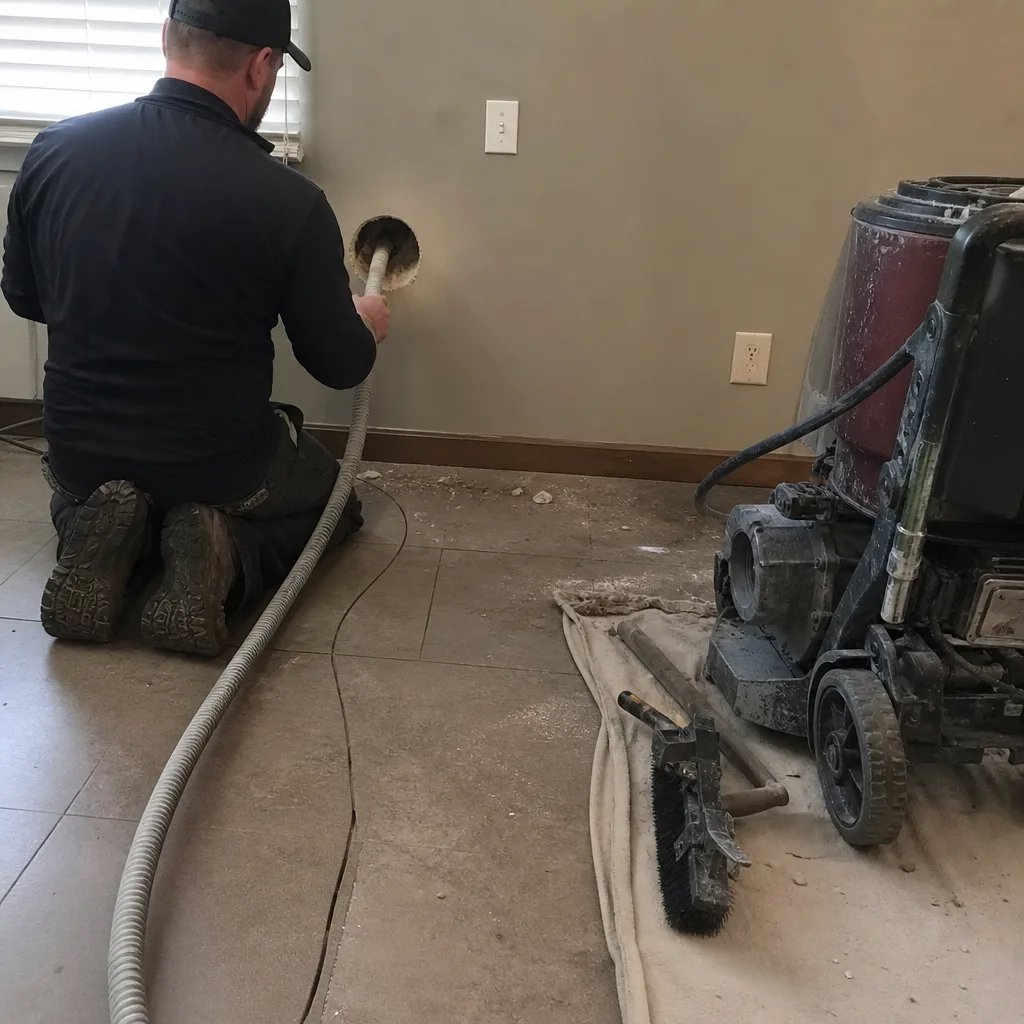 Before
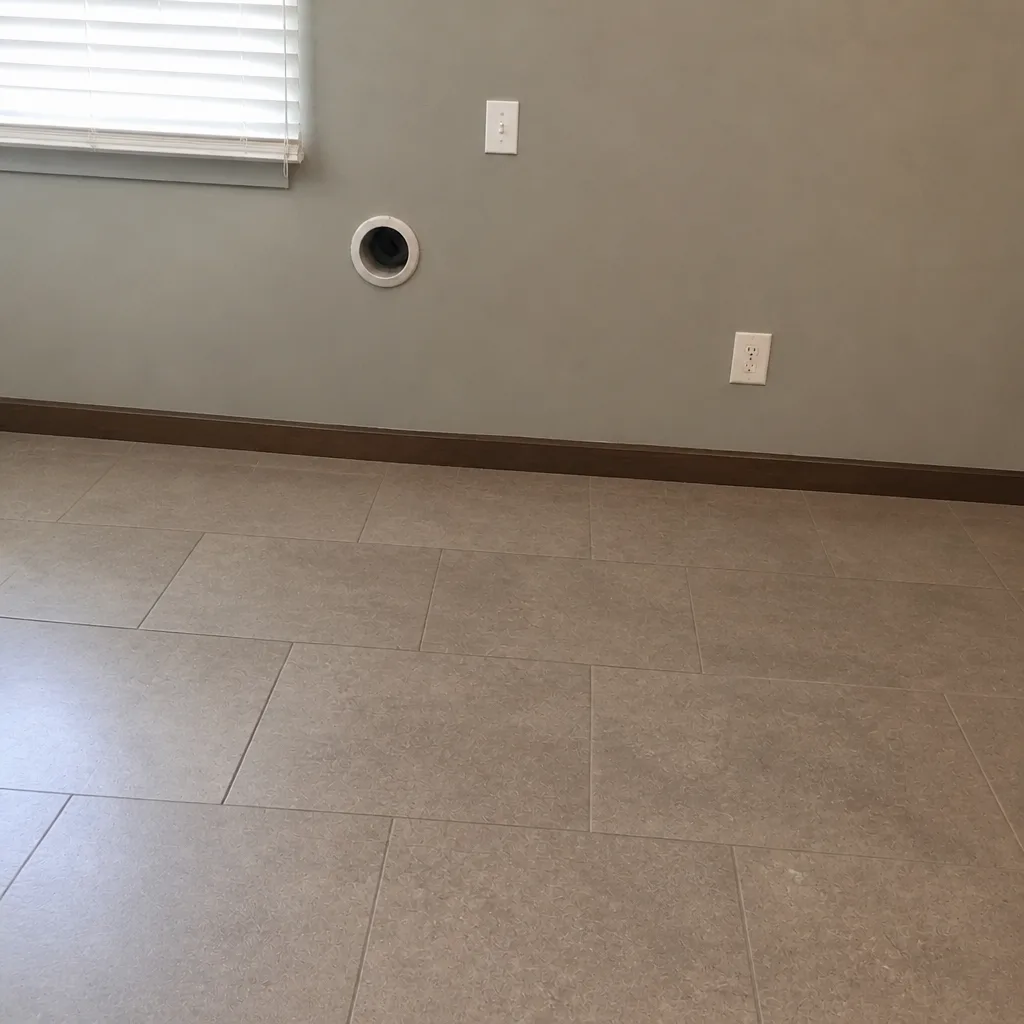 After
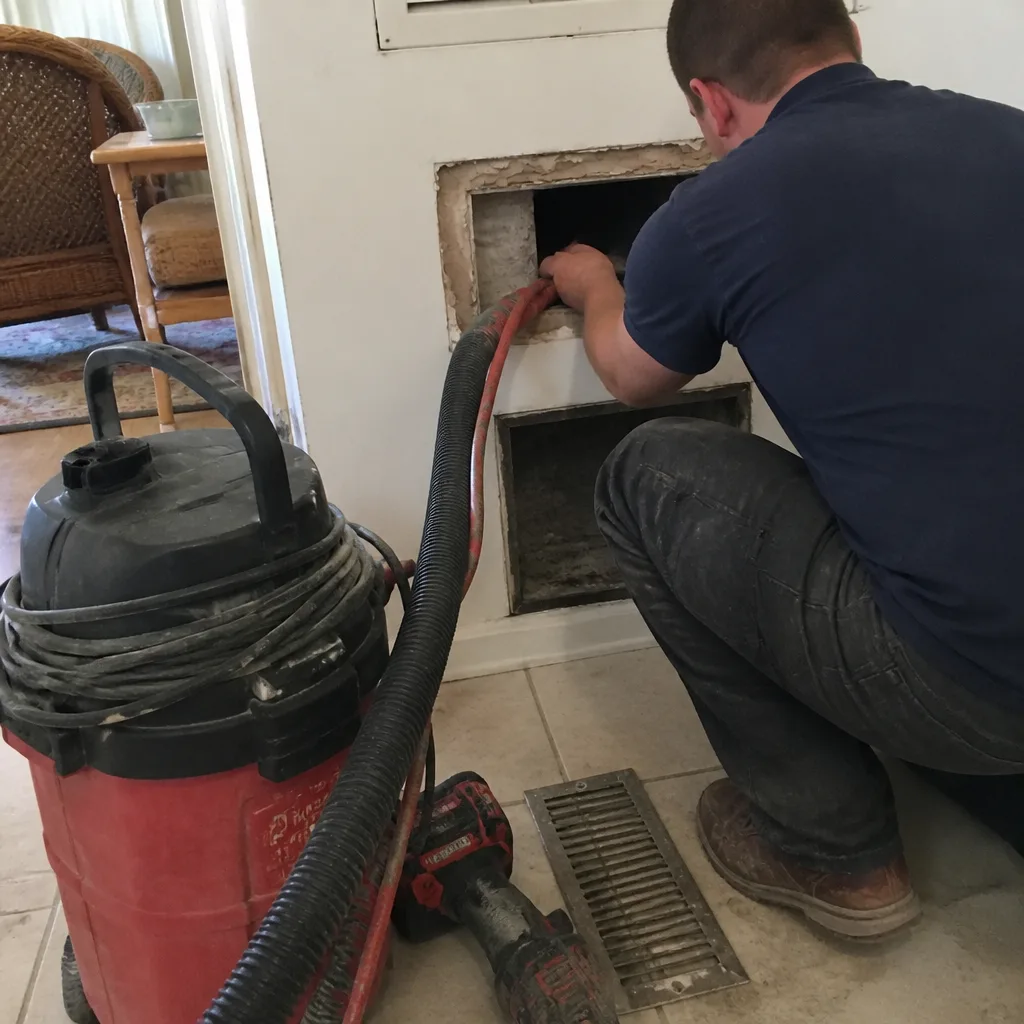 Before
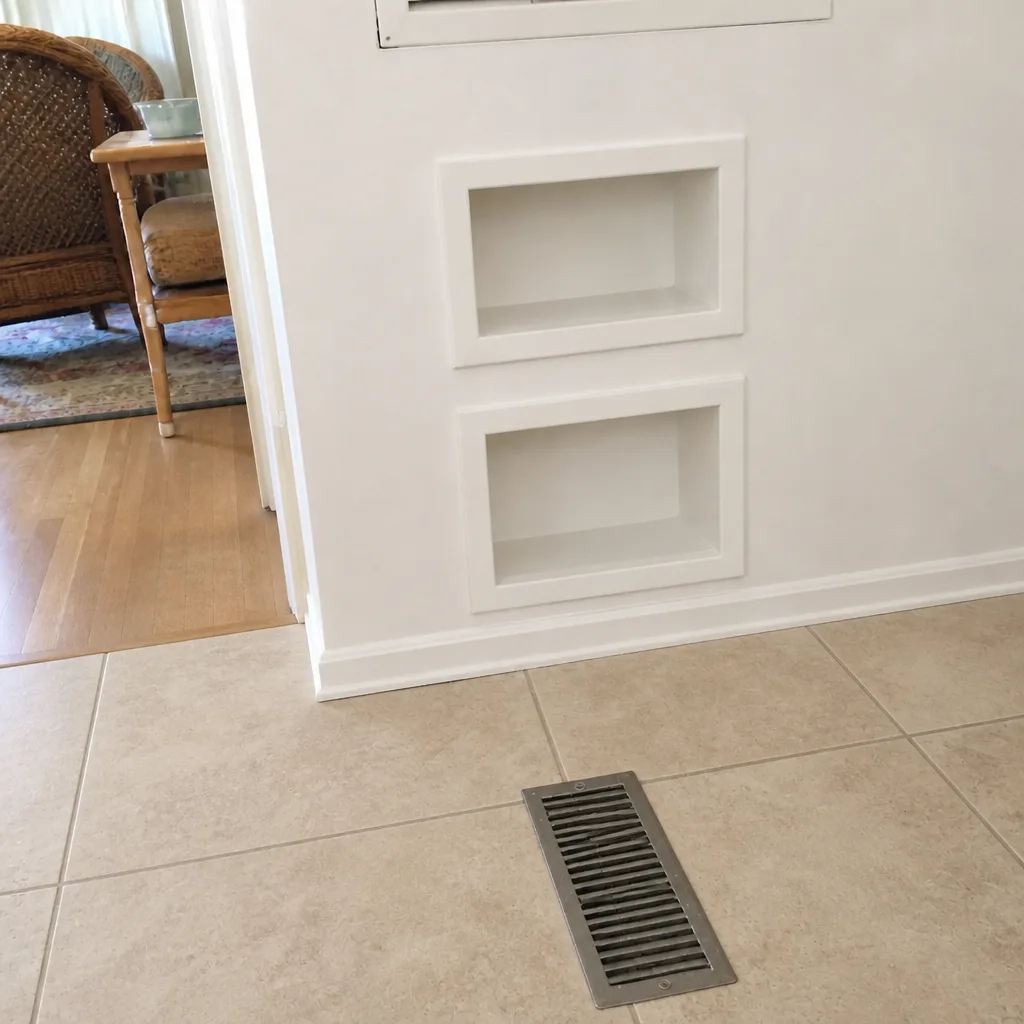 After
When to Call a Professional
Every home reaches a point where homeowner checks stop being enough. If you see visible dust puffs from registers when the system kicks on, if a room that used to be comfortable now isn’t, or if anyone in the household with allergies or asthma notices symptoms that track with HVAC runtime, it’s time for a professional inspection. The same goes for older homes where the duct history is unknown, and for any home with a dryer vent that hasn’t been cleaned in more than a year. Duct Cleaning Abilene offers free estimates in Abilene; call (888) 618-8972 to schedule one.
Frequently Asked Questions
Once a year is enough for most Abilene homes, scheduled in late spring or early fall. Homes with allergies, pets, or young children often benefit from an added inspection mid-season. The seasonal log approach tells you which end of that range fits your specific system.
Late spring cleaning removes accumulation before the cooling system pushes it deep into supply runs. Early fall cleaning removes it before the heating system bakes it onto duct walls. Both windows extract debris when it’s still easy to remove rather than after it’s been pushed or cured in place.
Not necessarily, but registers don’t tell the full story, especially in a dry climate. Dust in West Texas stays loose and moves through the system rather than piling visibly at the register face. A camera inspection of a couple of runs gives you a real answer in a few minutes.
A shop vac can clean the register face but can’t touch the ducts behind it. Consumer vacuums also tend to release fine dust back into the room instead of capturing it. Professional equipment uses mechanical agitation plus HEPA filtration to extract debris without redistributing it, which is why we use the Rotobrush and Nikro systems.
Yes. Dust behavior is different in dry air. Deposits stay looser and move farther into the system, which means a vacuum-only approach is often insufficient. Mechanical agitation and containment become more important, not less. That’s how we approach every job. For a full walkthrough of our service, see Duct Cleaning Abilene.
Yes, if it’s been a year or more. Dryer vents are a separate system with their own risk profile, and they accumulate lint at a different rate than ducts accumulate dust. Combining the two visits is efficient and ensures neither system gets neglected during a busy season.
The Bottom Line
Abilene hands your duct system a different problem every season, and a smart maintenance calendar meets each one head-on. Spring wind and cotton gin residue, summer runtime pushing debris deep, fall harvest dust, winter baking it onto the walls: each has a timing window that makes the cleanup easier and more effective. A late-spring or early-fall professional cleaning, plus a filter swap and register check at every season change, covers the vast majority of what a home needs. A written log turns those habits into real insight within a year. If you want a professional assessment on your system’s specific pattern, Duct Cleaning Abilene offers free estimates with before-and-after photos of your own ducts. Call (888) 618-8972 for a free estimate. We answer 24/7. Fast dispatch from 7am to 7pm, Sunday through Friday.
Written by the team at Duct Cleaning Abilene.