
Last updated November 16, 2026
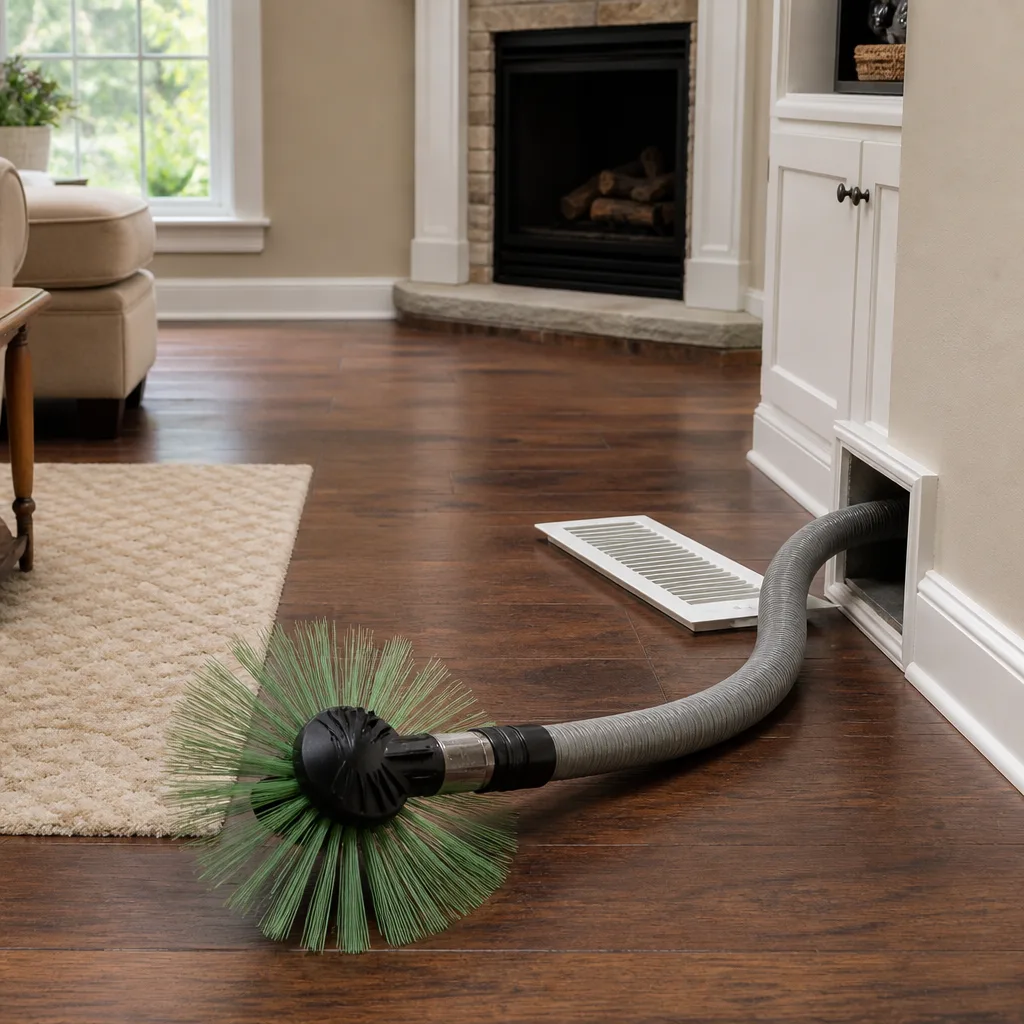 Whole-home duct cleaning
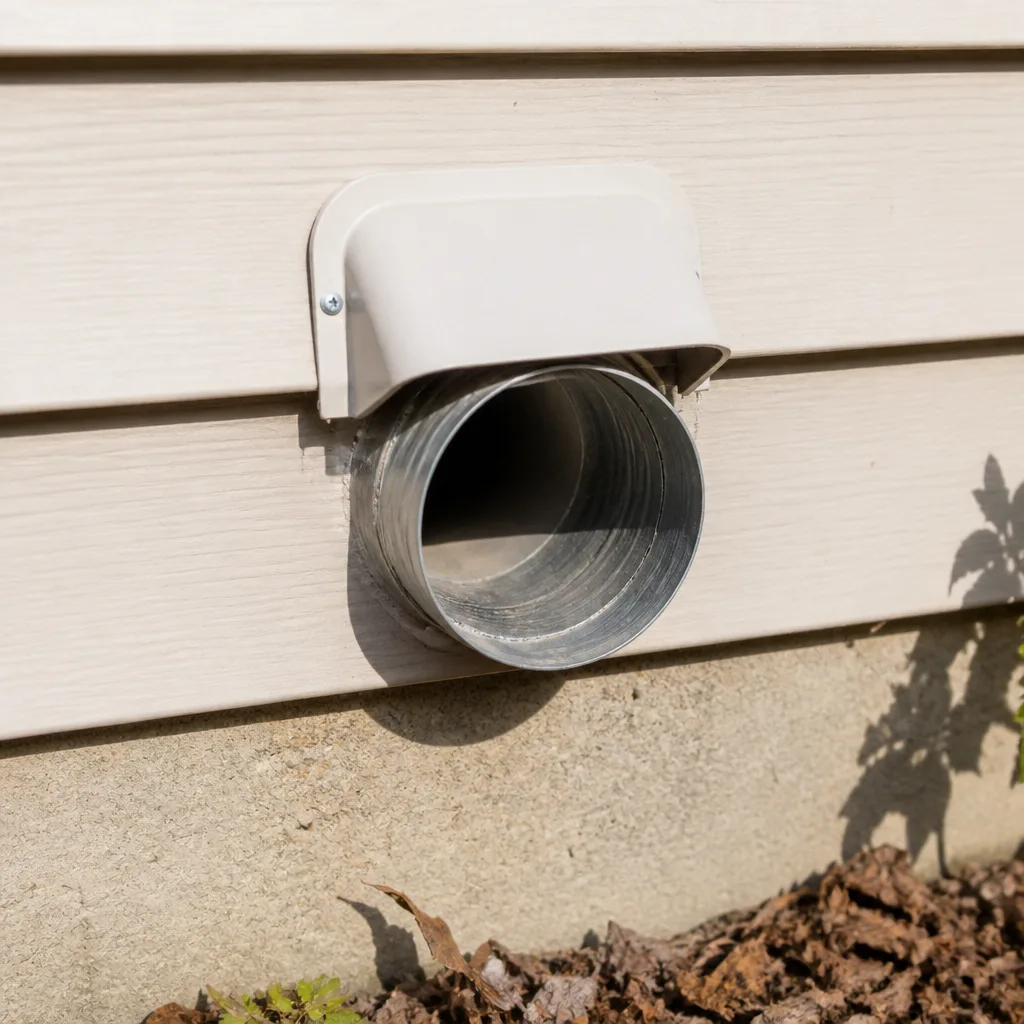 Dryer vent cleaning
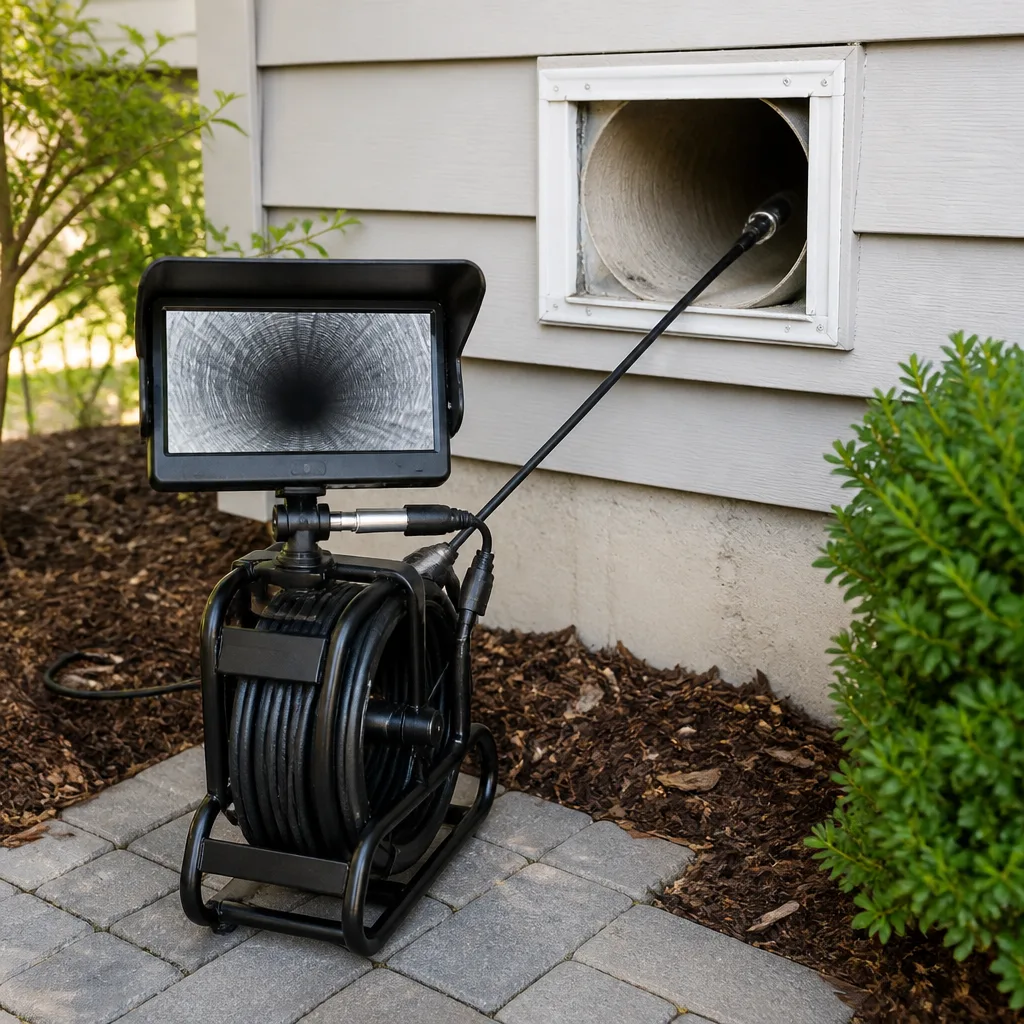 Camera inspection
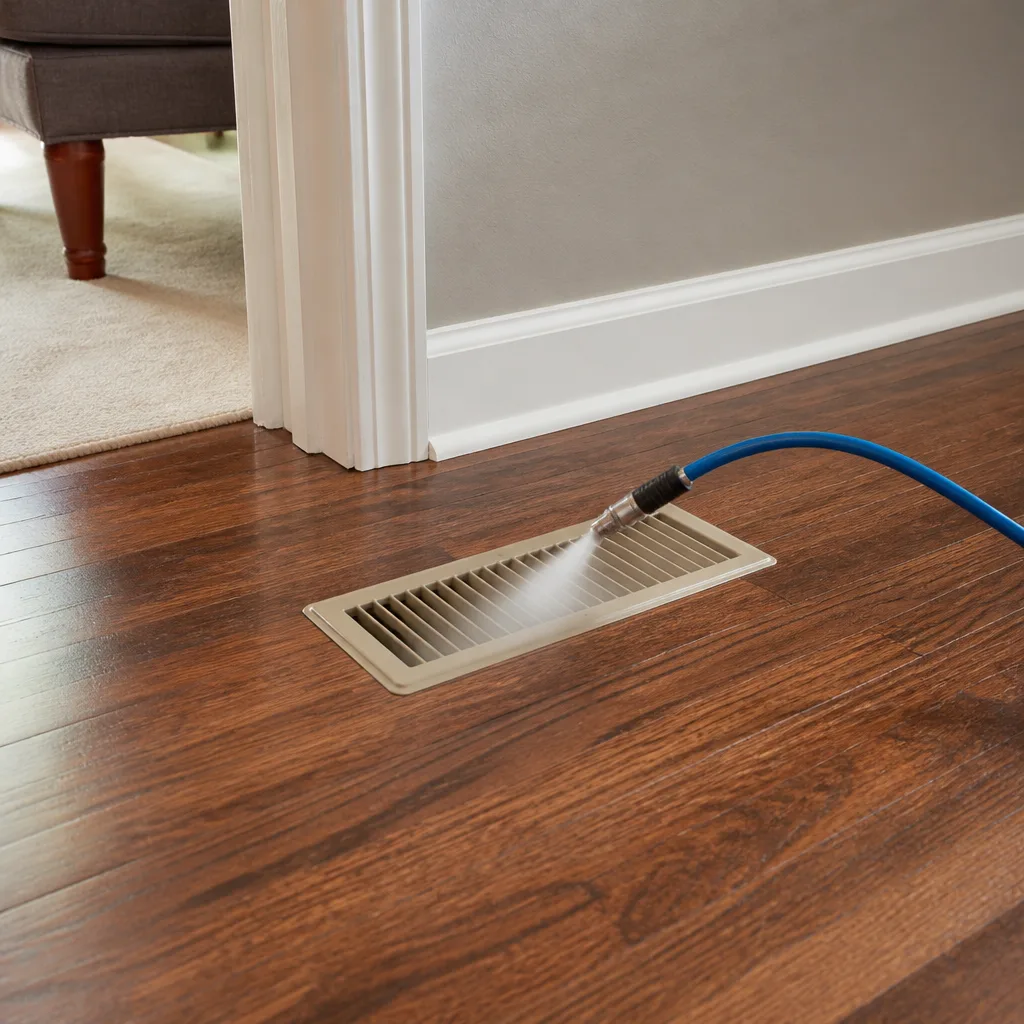 Sanitizing & deodorizing
Whole-system duct and dryer vent check with before-and-after photos - you see exactly what came out of your vents
That "$99 whole-house special" is a bait ad - the real number appears once they are in your hallway, or the "clean" is a shop-vac at the register. We photograph the inside of your ducts before and after instead.
Air Duct Cleaning Emergency Preparedness Guide for Abilene Homes
After a wildfire smoke event or a haboob rolls through Abilene, the instinct is to wipe down surfaces. But your HVAC system was pulling that air across the entire interior volume of your home, and what it collected in your ducts is still there. Most homeowners never think about the air handler as a contaminant trap until the smell lingers or the allergy symptoms won’t quit. This guide explains what each type of Abilene emergency deposits in your ductwork, how to protect the system while an event is still happening, and how to judge whether a cleaning is genuinely necessary or just precautionary. You’ll also find the documentation steps that matter for a Texas insurance claim.
Quick Answer
After a wildfire smoke event, haboob, or flood in Abilene, duct cleaning becomes urgent when you see visible debris at the registers, smell smoke or mustiness that persists more than 48 hours after the event, or find heavy loading on the filter within days. If none of those signs are present, a normal scheduled cleaning is usually enough. When flooding has touched the HVAC system or its ductwork, treat it as a health concern and get a professional assessment before running the system again.
Styles & brands we work with
- Whole-home duct cleaning
- Dryer vent cleaning
- Camera inspection
- Sanitizing & deodorizing
Table of Contents
- What Kinds of Emergencies Hit Abilene Duct Systems?
- How Do You Protect the Duct System During an Event?
- Standard Cleaning vs. Post-Emergency Remediation
- What Each Abilene Event Deposits and How Fast to Act
- What to Document for a Texas Insurance Claim
- Is the Cleaning Actually Necessary? Specific Thresholds
- Why Equipment Tier Changes the Outcome
What Kinds of Emergencies Hit Abilene Duct Systems?
Abilene sits in a part of West Texas where three specific weather patterns put contamination into HVAC systems more often than in most of the country. The first is wildfire smoke. When fires burn in the surrounding ranch country or further west, the smoke plume doesn’t just pass overhead. Fine particulate matter gets pulled into return air, deposited along the inside of the duct runs, and slowly releases back into living space for weeks. The second is the haboob, the dust storm that rolls in with a leading edge of wind that can push visible brown dust against windows and doors. The third is flash flooding, which is a genuine risk in Abilene’s low-water crossings and older neighborhoods where storm drainage has limits.
Each of those events leaves something different in ductwork:
- Wildfire smoke leaves fine ash and combustion residue that clings to duct walls and coats the blower wheel and evaporator coil. The smell is the giveaway even when the visible dust isn’t obvious.
- Haboob dust is coarser. It loads filters fast, packs into return plenums, and can overwhelm a filter’s capacity in a single event. If you have ever pulled a filter two days after a big dust storm and found it nearly black, you know what we mean.
- Flood intrusion is the most serious. Water in ductwork that stays wet for more than a day or two creates conditions for biological growth on the interior surfaces. That’s a health question, not a housekeeping one.
If you’re already planning a routine air duct cleaning in Abilene, knowing which of these events your home has been through helps the technician scope the job correctly. An emergency is not the same as a dirty system, and a dirty system is not always an emergency.
How Do You Protect the Duct System During an Event?
The best time to act on a contamination event is while it’s still happening. The decisions you make during a wildfire smoke day or a dust storm determine how much of that material ends up inside the ductwork at all. None of these steps require special tools, and all of them reduce how big the eventual cleaning job has to be.
- Shut the system off during the worst of it. When the sky is orange from smoke or the dust wall is on the way, turning the thermostat to Off stops the air handler from pulling outside contamination into the return. You’ll trade some comfort for a smaller contamination footprint.
- Change to the highest-rated filter you have on hand. A filter with a higher MERV rating captures more of the fine particulate that a smoke event throws at the system. Don’t push the filter past what your equipment can handle for airflow, but do step up if you can.
- Seal return grilles temporarily during a dust storm. Painter’s tape and a sheet of plastic over the largest return grilles will stop the worst of a haboob from loading the plenum. Remove it as soon as the dust settles so airflow isn’t restricted during normal operation.
- Close windows and exterior doors. This sounds obvious, but opening a window to “let the smell out” during a smoke event does the opposite. It gives the HVAC system a fresh supply of smoke to pull in.
- After flooding, do not run the system until it’s been assessed. Water in the ductwork, the air handler, or the coil turns the HVAC system into a distribution network for moisture and whatever grows in it. Turn the breaker off if there is any doubt.
The tradeoff is comfort versus contamination. A few hours with the system off during a smoke event saves a much larger cleaning later, and it protects the blower motor and coil from the fine grit that accelerates wear.
Standard Cleaning vs. Post-Emergency Remediation
A standard Duct Cleaning Abilene service handles the routine buildup that accumulates in any home over a season or two: settled dust, pet hair, the occasional toy or small object pulled into a return, and general household particulate. The typical job includes source removal, brushing the duct runs, and extraction with a HEPA vacuum. It’s a scheduled service, and every system gets a flat price agreed before work begins.
Post-emergency remediation is different. The scope expands because the contamination is different:
- Smoke residue is finer and sticks more than ordinary dust. It penetrates the pores of flex duct and coats the metal runs with a film that brushing alone doesn’t fully lift. Specialized extraction and, in some cases, a deodorizing step are added.
- Flood intrusion brings biological growth risk. Porous duct materials that have been wet and not dried quickly may need to be replaced rather than cleaned. That’s where air duct repair work overlaps with the cleaning scope.
- Haboob dust events often leave a heavy, sandy residue in return plenums. The deposits are coarser than ordinary dust but the volume is much higher, which means more extraction time and often a plenum cleaning step that isn’t part of a standard job.
In practice, this means a post-emergency visit starts with a proper assessment. We look at the register closest to the air handler, the plenum, and the return run. If the contamination is mostly ordinary household dust that happened to fall during a storm, standard cleaning covers it. If it’s smoke film, sandy haboob residue, or anything that could be growing, the scope and the price reflect that. Either way, the price is set before the work starts, from a written estimate, and not from a coupon teaser.
Containment matters during this kind of work. When we clean, we run Abatement Technologies air scrubbers on site, the containment-grade filtration used in remediation work, so the particulate we’re lifting doesn’t redistribute into the house while the job is in progress. Rotobrush rotary brushes agitate debris off the duct walls, and Nikro HEPA vacuums extract it. The three steps in any serious cleaning are scrub, extract, and contain.
What Each Abilene Event Deposits and How Fast to Act
Timing is not the same for every event. A smoke event gives you more room to schedule; a flood event does not. Here’s how we think about the urgency of each, in general terms.
Wildfire smoke infiltration
What it deposits: fine ash, combustion particulate, and the volatile organic compounds that carry the smoke smell. The ash settles in the duct runs and coats the blower wheel, and the smell hangs around until the source is removed. The urgency is moderate. If the system ran during the event and you can smell smoke in the house more than 48 hours later, get it on the schedule. If the smell is gone within a day, a routine cleaning at your normal interval is enough.
Haboob dust events
What it deposits: coarse mineral dust, sand, and fine grit that loads the filter and packs into the plenum. The urgency depends on how much got in. If the filter loaded within days of the event, some of that dust is already past the filter and sitting in the ducts. If the filter looks normal a week later, the event didn’t push much through. Wipe the register nearest the return and see what’s on it; if there’s visible sandy residue, a cleaning is worth it.
Flash flooding with HVAC exposure
What it deposits: water, silt, and whatever that water picked up on the way in. The urgency is the highest of the three. If any part of the HVAC system or its ductwork was underwater, or if you see standing water in the plenum, treat it as a health question. Do not run the system. Get it assessed, and expect that some duct materials may need to be replaced rather than cleaned. In older Abilene homes where ductwork is in the attic, the first place to check after a flood is the insulation around the air handler.
You can read more about our approach and the neighborhoods we serve on our Abilene page.
What to Document for a Texas Insurance Claim
Insurance claims for duct contamination are usually strongest when the documentation starts before any cleaning is performed. Once the system is cleaned, the evidence is gone. A few photos and a couple of quick notes change the way a claim is evaluated, and they cost you nothing but a few minutes.
- Photograph the registers before cleaning. Pull each register cover and photograph the inside of the duct run with a phone light. Visible ash, sand, or discoloration is evidence that the contamination reached the ductwork.
- Photograph the filter. The filter is the single best piece of evidence that an event loaded the system. Photograph it against a light surface so the loading is visible, and keep the filter in a bag if the claim process is underway.
- Keep HVAC runtime logs. Note the dates the system ran during the event, and if you shut it off, note when. If your thermostat or smart thermostat logs runtime, export or screenshot the history for the period spanning the event. This is what establishes whether the system was pulling contaminated air through the house.
- Photograph any water intrusion. If a flooding event touched the system, photograph standing water, water lines on duct insulation, and any visible discoloration before anything is cleaned or moved.
- Keep the written estimate and invoice. A post-emergency cleaning bill or a duct repair estimate is your documentation that remediation was necessary. Take a photo of the before-and-after condition of the ducts during the job, if the technician provides them.
Every policy and every claim situation is different, so it’s worth confirming with your insurer what documentation they want before throwing anything away. We can work with your insurer if a post-emergency cleaning is part of a claim.
Is the Cleaning Actually Necessary? Specific Thresholds
Not every event requires a cleaning. After a small smoke event that barely registered, a homeowner might get talked into a full remediation by a company that treats every storm as a crisis. That’s a sales practice, not a service. Here are the thresholds we suggest using to decide, and you can check each of them yourself.
- Visible debris at the registers. Pull a register cover and look inside with a phone light. If you see ash, sand, or discolored buildup on the inside of the duct wall, that’s a sign contamination reached the ductwork.
- Persistent odor after 48 hours. Smoke smell that is still in the house two days after the event, and gets stronger when the system runs, means the ducts are still a source. If the smell is gone, the contamination was likely in the air, not the ducts.
- Measurable filter loading. Compare the filter a week after the event to a new one. If the filter loaded dramatically faster than your normal interval would explain, some of that loading passed through the system.
- Higher-than-usual dust on surfaces near the registers. Wipe a flat surface under a supply register with a white cloth. If it comes up heavily gray after a day or two when you’ve been away, the system is distributing dust.
- Any water exposure in the ductwork or air handler. This is the one threshold that doesn’t need any other sign. Water plus ductwork plus time equals biological growth risk, and that’s a professional assessment question regardless of how the system looks.
If none of these signs show up after an event, the right answer is to wait for your normal cleaning interval. Our technicians have up to 12 years of experience with exactly these kinds of decisions, and the honest answer for a lot of post-storm calls is “not yet.” That’s fine. The goal isn’t a cleaning on every storm; it’s cleaner air moving through the home.
Why Equipment Tier Changes the Outcome
Post-emergency cleaning puts a specific demand on the equipment: it has to physically lift contamination off the duct wall rather than blow it loose. A shop vacuum and a compressed-air wand disturb more debris than they remove, and in a post-smoke or post-flood scenario, that disturbance is worse than doing nothing. Rotobrush rotary brushes agitate the duct wall, and Nikro HEPA vacuums pull the loosened material out under negative pressure. The two systems are designed to work together.
Containment is the other half of the equation. Abatement Technologies air scrubbers filter the air in the workspace during the job, so fine particulate doesn’t settle back into the living space while the ducts are open. This is the same equipment tier used in remediation work, and it’s what separates a professional job from a shop-vac attempt. For airflow and filter upgrades, we work with Honeywell and Aprilaire, so a homeowner can pair the cleaning with a filter or air-quality step from a brand they can look up on their own.
Dryer vents get overlooked in this conversation, but they deserve the same treatment. The U.S. Fire Administration has documented dryer vent lint as a leading cause of residential fires across the country, and a post-event check is a good moment to also schedule dryer vent cleaning in Abilene. It’s a focused job with a real safety reason behind it, and it’s not an upsell afterthought.
One more piece of the picture: repair. If the assessment turns up leaking joints, disconnected flex runs, or crushed duct sections, we can handle the repair in the same service relationship rather than sending you to find a separate contractor. We clean the duct, then we can repair it. That matters after a flood event, when duct material is more likely to have been damaged.
Common Mistakes to Avoid
- Running the system during the event to “clear the air.” The air handler doesn’t filter the house; it pulls more contaminant into the returns. Turn it off while the smoke or dust is at its worst.
- Wiping surfaces and calling it done. Wiping the counters removes what settled on top. It does nothing about what’s sitting inside the ductwork, coating the blower wheel, or suspended in the plenum.
- Running HVAC after a flood without assessment. Water in the system is a different problem than dust. Running the system pushes moisture and whatever is growing in it through every room in the house.
- Throwing the filter away before the claim is filed. The filter is the clearest evidence that the event loaded the system. Bag it and keep it until the insurance question is settled.
- Accepting a coupon price on a post-emergency job. Emergency remediation has a bigger scope than routine cleaning. A teaser price that expands once the technician arrives is the industry’s oldest bait-and-switch. Ask for a written flat price for the whole system, agreed before work begins.
- Skipping the register check. Three minutes and a phone light tell you whether the ducts are contaminated or not. Skipping the check means you’re guessing on both sides, either over-cleaning or under-cleaning.
- Ignoring a persistent smell because the visible dust is gone. Smoke odor in Abilene after a wildfire event can linger in the evaporator coil for weeks even after the duct surfaces look clean. If it’s still there, get it checked.
See the difference
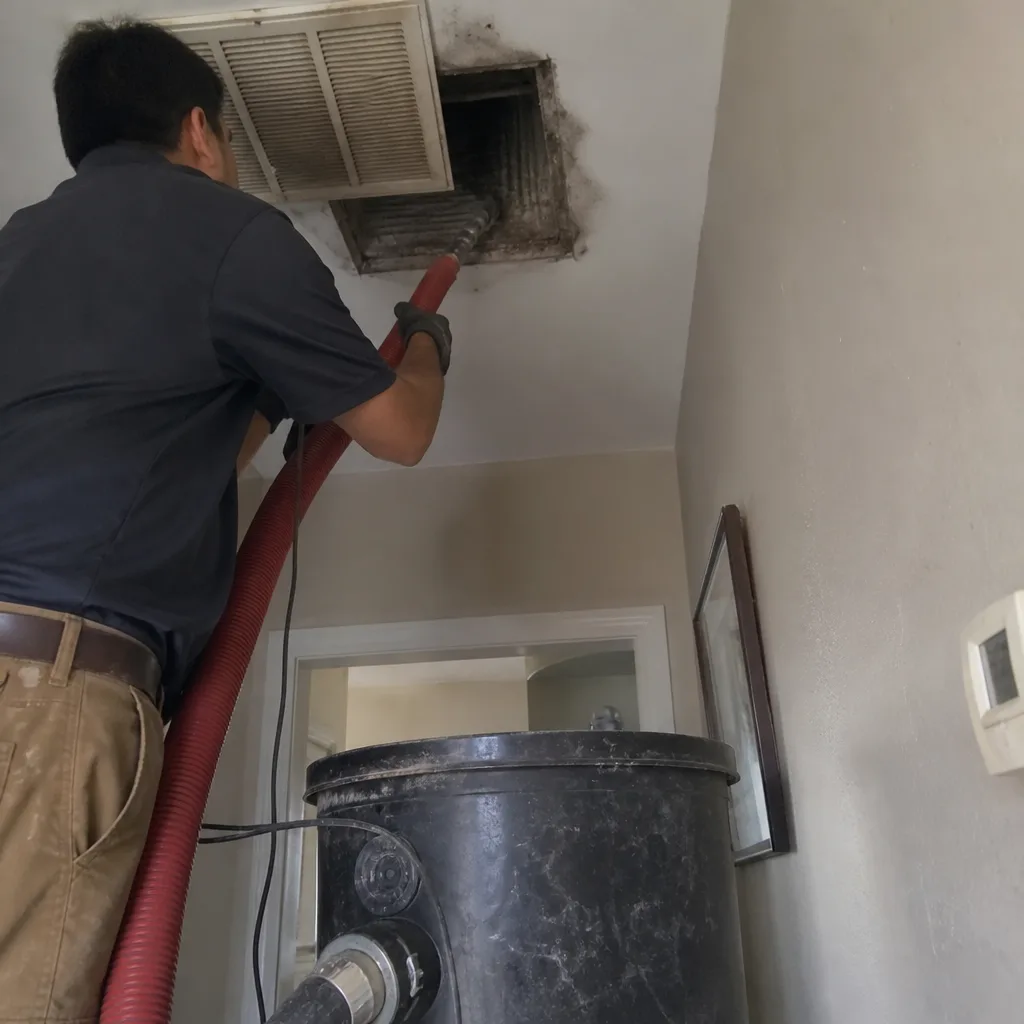 Before
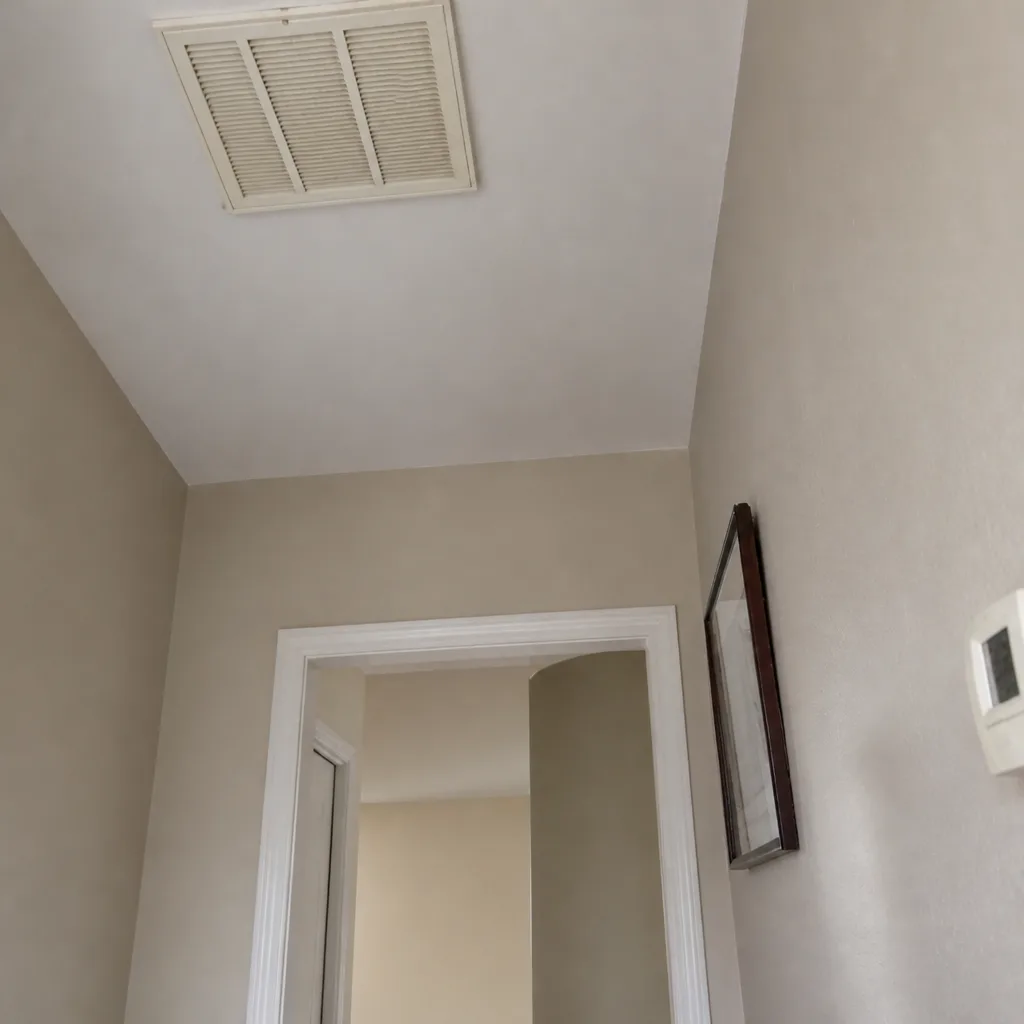 After
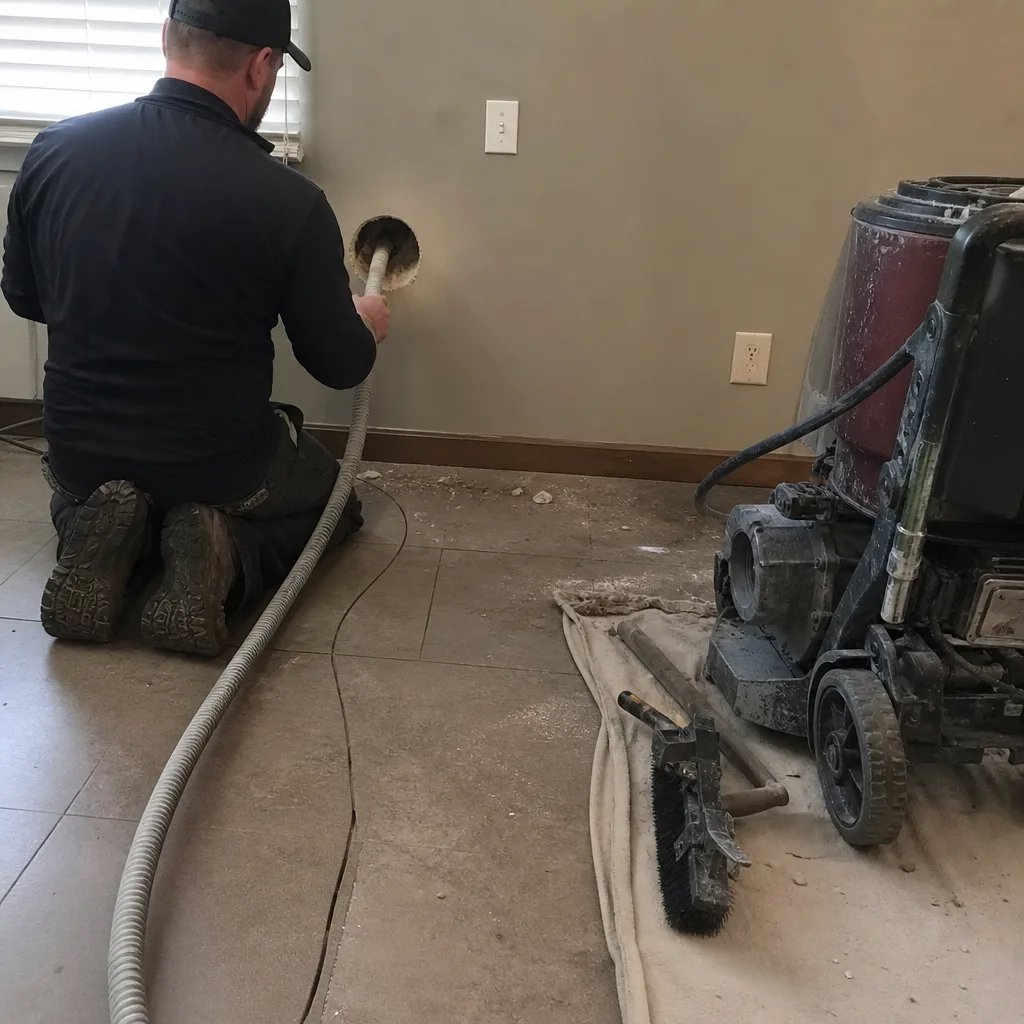 Before
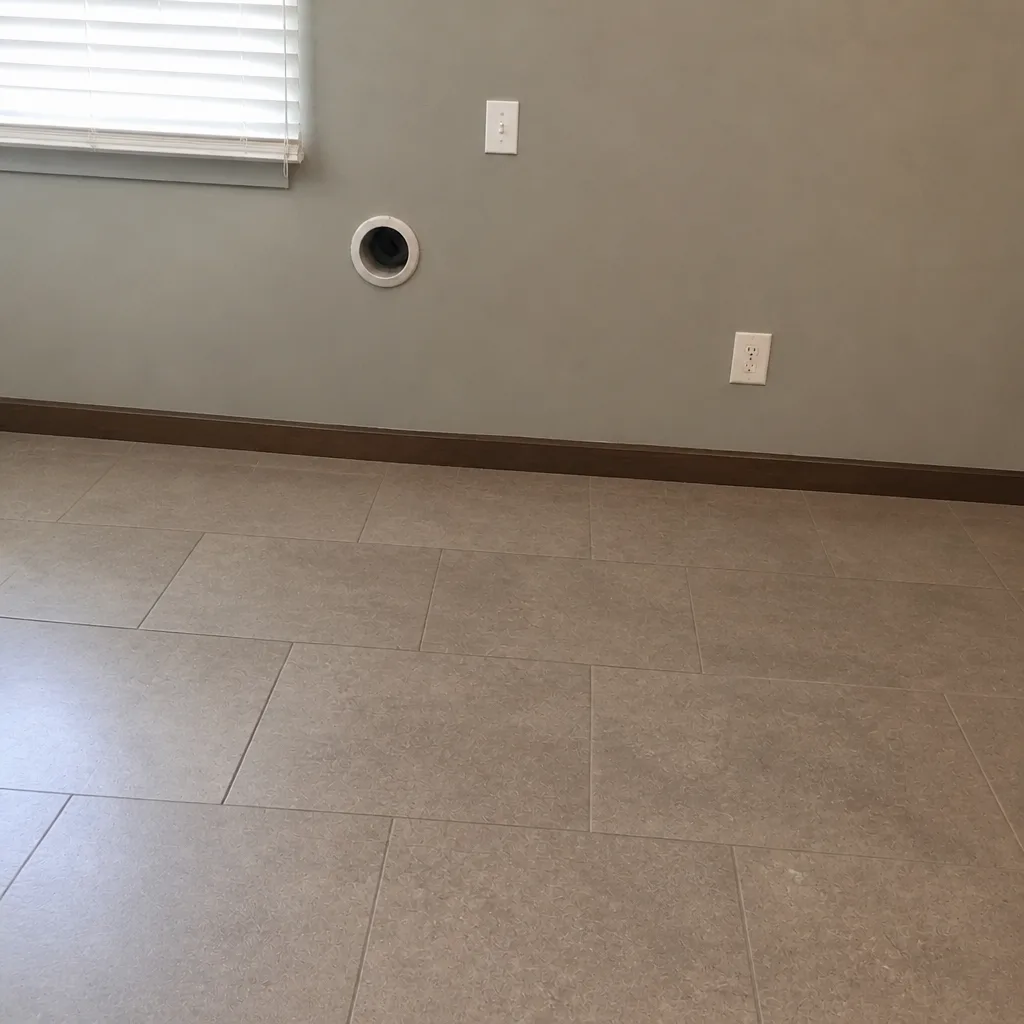 After
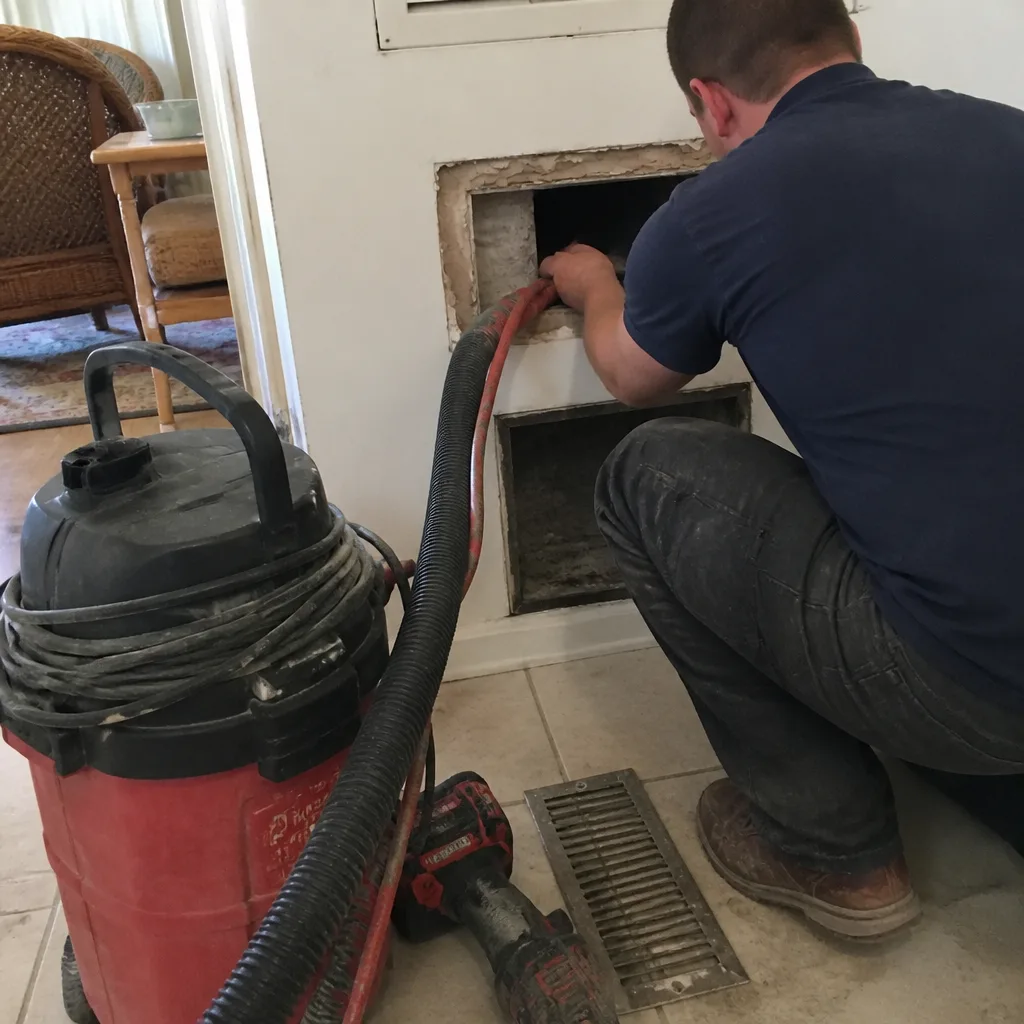 Before
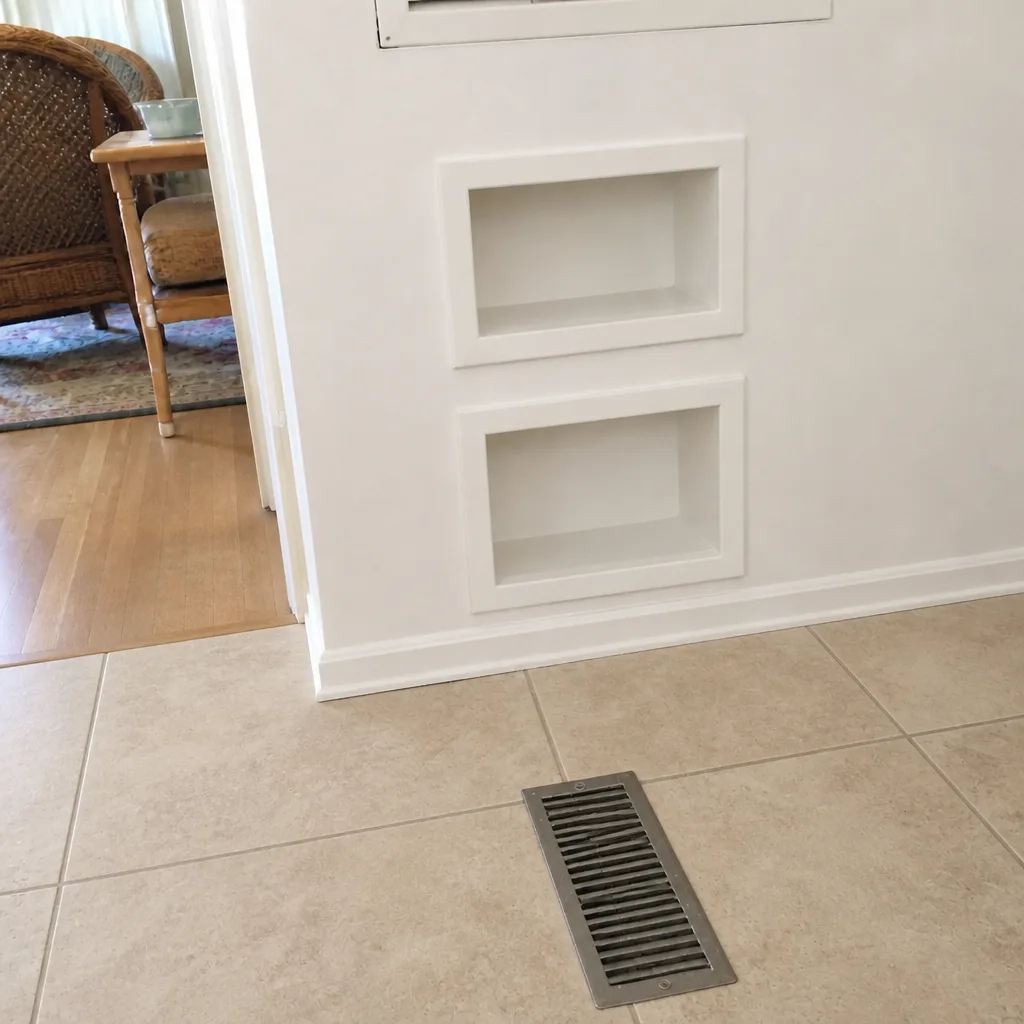 After
When to Call a Professional
Call a professional after a wildfire smoke event if the smell persists past 48 hours or if you see ash at the registers. Call after a haboob if the filter loaded dramatically and you can see sandy residue inside a return. Call immediately after flooding if any part of the HVAC system or its ductwork was wet. Call if anyone in the house has asthma or allergies that got noticeably worse after an event, or if a child or older adult in the home has been coughing more than usual. Call before filing an insurance claim so the documentation starts before anything is cleaned.
Duct Cleaning Abilene offers free estimates in Abilene for post-emergency assessments and routine cleanings alike, with a flat price per system agreed before work begins. Call (888) 618-8972. We answer 24/7. Fast dispatch from 7am to 7pm, Sunday through Friday, and yes, we’re closed on Saturday.
Frequently Asked Questions
Within the first week if you can smell smoke in the house 48 hours after the event, or sooner if anyone in the home has asthma. If the smell cleared within a day and no one is reacting, a routine cleaning on your normal interval is enough. Call (888) 618-8972 for a free estimate; we can tell you on the phone whether the timing warrants a visit.
Post-emergency cleaning is priced per system, not per vent, and the written estimate sets the final price before any work starts. A routine cleaning and a post-emergency remediation are different scopes, and the price reflects that. Call (888) 618-8972 for a free estimate, and we’ll walk through what the specific event left behind in your system.
Usually because the quote is a teaser price that expands once the technician is on site, or because it’s a shop-vac job that disturbs debris without containing it. A real post-emergency cleaning involves rotary brushing, HEPA extraction, and containment filtration during the job, and the price reflects the actual scope. Call (888) 618-8972 for an honest number.
You should get before-and-after photos of your own ducts, not a stock image or a brochure. Ask for the photos of the register, the plenum, and the duct run as part of the service. During a post-emergency job, those photos also serve as documentation if you’re working with your insurer. Call (888) 618-8972 for a free estimate.
Once per event, at most, and only if the thresholds in this guide are met. Most homeowners in Abilene go years between cleanings unless a specific event pushed contamination into the system. Cleaning after every storm is not a maintenance plan; it’s a sales pitch. Call (888) 618-8972 and describe what you saw.
Yes. A haboob pushes fine dust against the exterior of the house, and it finds its way in through gaps around doors, windows, and the return air path. The HVAC system then pulls that dust across the filter and into the return plenum. If the filter loaded dramatically within days of the storm, some of it got past. Call (888) 618-8972 for a free estimate on a post-storm assessment.
The Bottom Line
Abilene duct systems live through three specific contamination events that most cleaning schedules don’t account for: wildfire smoke, haboob dust, and flash flooding. The response to each is different. Shut the system off during the event, protect the returns during a dust storm, and never run a flooded HVAC system before it’s been assessed. Use the thresholds in this guide, visible debris at the registers, persistent odor past 48 hours, measurable filter loading, or any water exposure, to decide whether a post-emergency cleaning is genuinely needed or precautionary. Document everything for insurance before cleaning begins. And when a job is warranted, insist on a professional-grade scope with proper containment, a flat price agreed up front, and before-and-after photos of your own ducts. Cleaner air starts with knowing what’s inside your ducts.
For a free estimate, call Duct Cleaning Abilene at (888) 618-8972. We answer 24/7. Fast dispatch from 7am to 7pm, Sunday through Friday, and we’re closed on Saturday.
Written by the team at Duct Cleaning Abilene.