
Last updated November 16, 2026
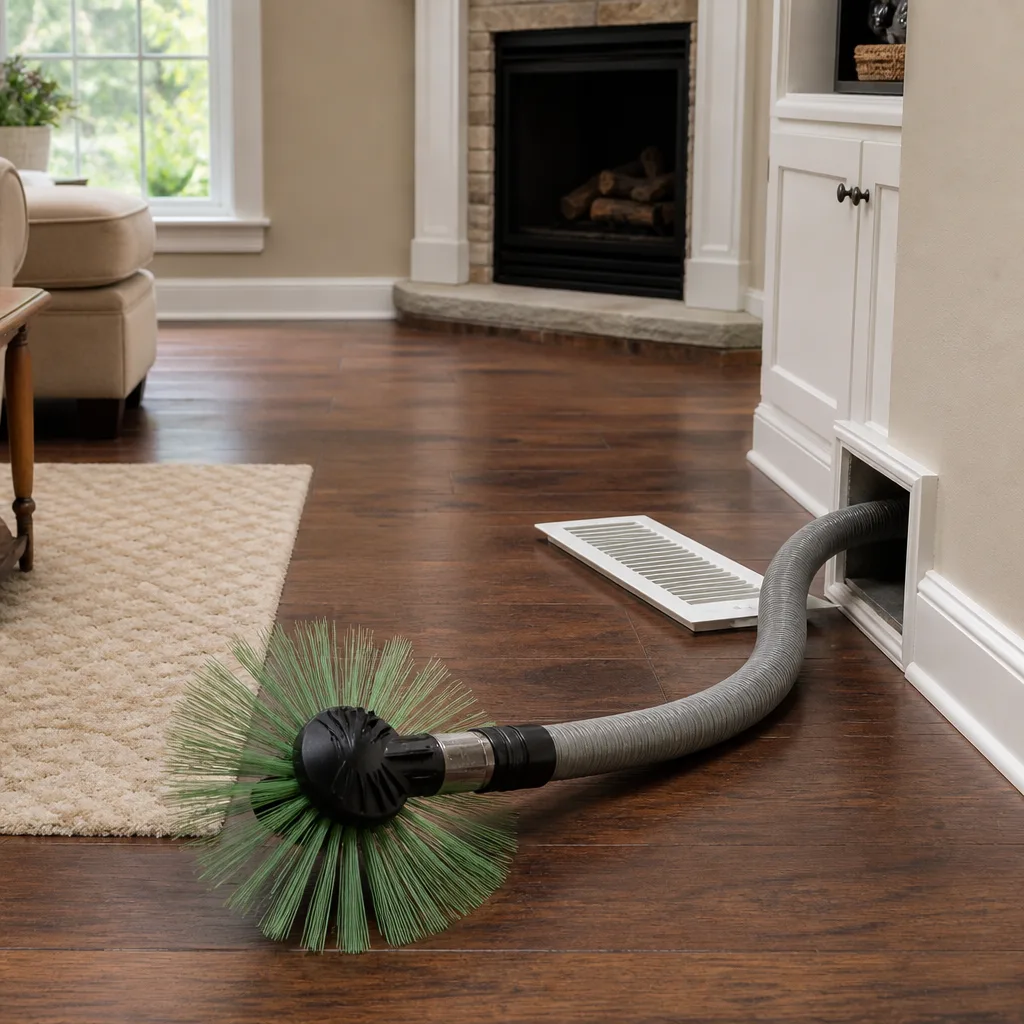 Whole-home duct cleaning
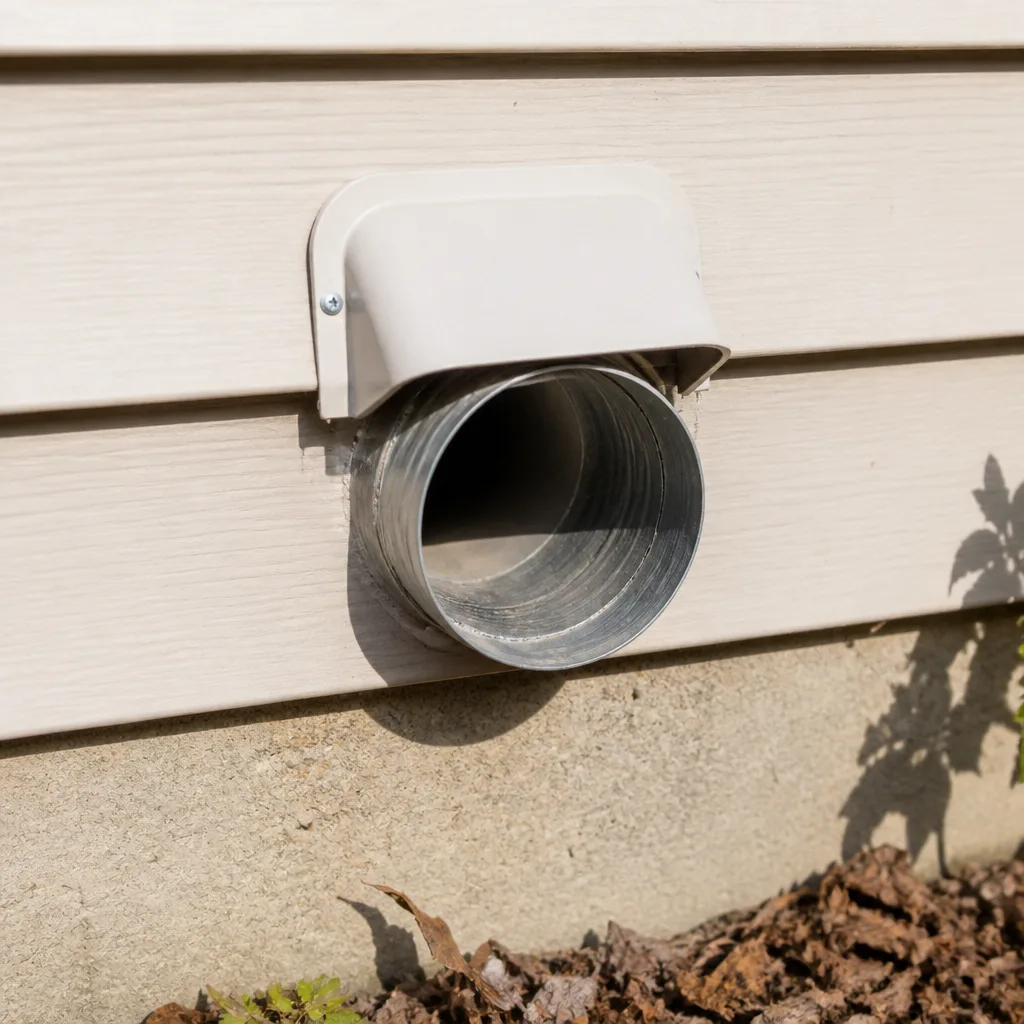 Dryer vent cleaning
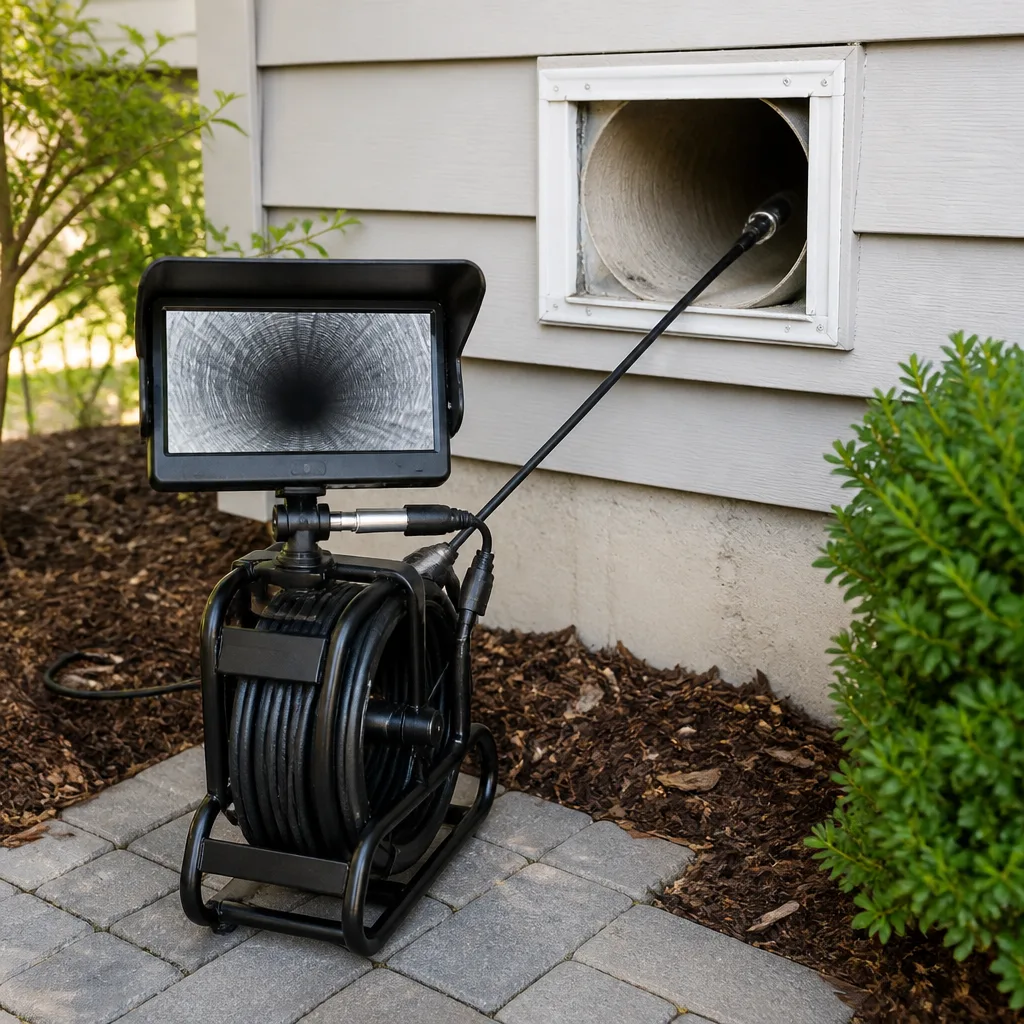 Camera inspection
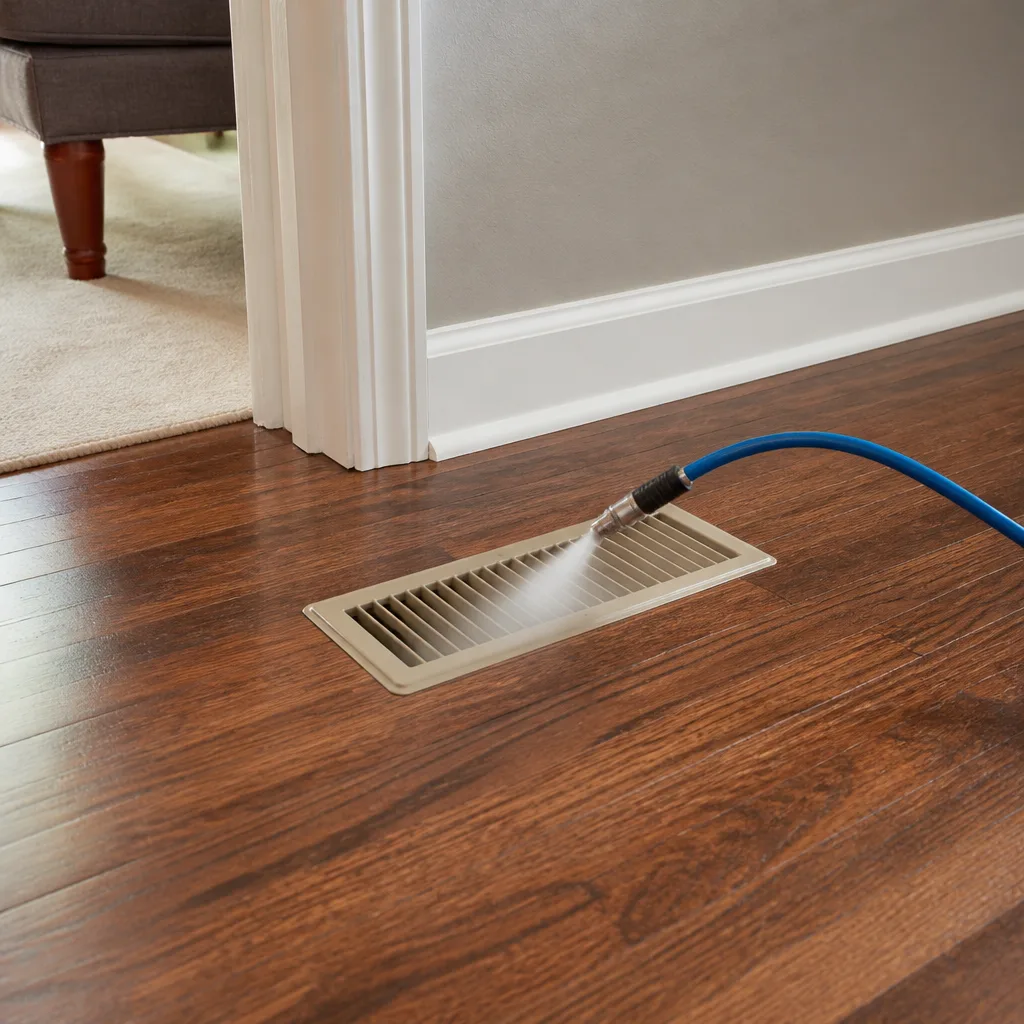 Sanitizing & deodorizing
Whole-system duct and dryer vent check with before-and-after photos - you see exactly what came out of your vents
That "$99 whole-house special" is a bait ad - the real number appears once they are in your hallway, or the "clean" is a shop-vac at the register. We photograph the inside of your ducts before and after instead.
Air Duct Cleaning Maintenance Checklist for Abilene Homeowners
Most homeowners mark duct cleaning on the calendar and forget it until something smells off or someone starts sneezing. That approach misses the point. The better question isn’t “when was my last cleaning?” It’s “how many hours has my system run through a cotton harvest, a renovation, or back-to-back dust storms since then?” Hours and events change your ducts far more than dates do. A system that ran through a kitchen remodel is dirtier after six months than one that sat quietly for two years. This guide gives Abilene homeowners a working checklist built around how the system actually accumulates debris, not a generic reminder to schedule service.
Quick Answer
An air duct maintenance checklist for Abilene should track three things: system runtime hours, filter load, and contamination events like renovations, pest activity, and dust storms. Check your filters every 60 to 90 days during heavy-use seasons, inspect registers and return grilles monthly, and schedule professional air duct cleaning when you log an event that pushes debris into the system, rather than waiting for a set date on the calendar.
Styles & brands we work with
- Whole-home duct cleaning
- Dryer vent cleaning
- Camera inspection
- Sanitizing & deodorizing
Table of Contents
- Why Hours and Events Beat Calendar Dates
- Building Your Event-Based Contamination Log
- Filter Inspection Intervals for Abilene’s Wind and Dust
- Visual Checkpoints You Can Do Yourself
- Logging System Runtime and Correlating It With Filter Load
- Pre-Season Checks Before Summer and Winter Startup
- Return Grilles, Supply Registers, and the Dryer Vent
- What a Professional Checklist Adds
Why Hours and Events Beat Calendar Dates
A duct system doesn’t collect dust at a steady rate. It collects it in bursts tied to what’s happening in and around your home. An HVAC system in Abilene runs hard through a long cooling season, pulling air through the same ductwork thousands of hours a year. Every hour of runtime moves another volume of air past the interior surfaces of those ducts, and whatever dust that air carries settles out along the way. That’s the real clock, and it’s measured in operating hours, not months.
Then there are the events. West Texas cotton harvest sends fine fiber and dust into the air for weeks each fall. A spring dust storm can push a visible haze through a neighborhood in an afternoon. A bathroom remodel fills the return side with drywall dust even when the crew tapes plastic over the doorway. None of those events care when you last scheduled service. Each one resets the contamination clock, and a checklist that ignores them is only guessing.
In our experience, this is where most maintenance advice falls short. It prescribes a schedule without teaching you what drives the need. We’d rather you understand the inputs so you can predict the call yourself. Here’s the shift in thinking:
- Calendar thinking: “It’s been two years, so I should probably book a cleaning.”
- Event thinking: “We finished the remodel, ran the system through cotton harvest, and the filter’s loading twice as fast. Time to look inside the ducts.”
The second approach catches real problems earlier and saves you money on cleanings you didn’t need. For homeowners across Abilene, that shift is worth more than any rigid schedule.
Building Your Event-Based Contamination Log
You don’t need software for this. A notebook on the fridge works, and so does a note on your phone. The point is to write down the events that push debris into your ductwork so you can look back and see what your system has actually been through. That log becomes the honest record a professional can use during an inspection, and it tells you when the contamination clock has genuinely reset.
Track these events as they happen:
- Renovation or remodeling. Any drywall work, sanding, cabinet replacement, or flooring tear-out. Write the date and the rooms involved. Even with plastic sheeting, fine dust migrates into return grilles.
- Pest activity. Rodents, insects, or birds getting into the duct system or attic. Note when you found evidence, even if you resolved it yourself.
- Storm events. Dust storms, high-wind days with visible dust, or any storm that forced you to close up the house and run the system longer than usual.
- HVAC repairs. A blower replacement, coil cleaning, or major service call. Any time a technician opens the system, note it, because debris can be disturbed or reintroduced.
- Water intrusion. A roof leak, a slow drip near a return, or humidity problems. Moisture in the ductwork is a separate concern from dust and worth flagging.
- New occupants or new pets. A new shedding pet, or a move into an older home where the history is unknown.
The rule of thumb: two or more logged events within a year, or any single major renovation, is a fair reason to have the system inspected. That’s not a sales pitch, it’s just when the accumulated load tends to justify a look.
Filter Inspection Intervals for Abilene’s Wind and Dust
Generic filter advice says check every three months. In Abilene, that interval is too loose during the dusty parts of the year and can be too tight in calm stretches. The right interval is calibrated to what’s actually in the air and how hard the system is running, which is why the checklist here ties filter inspection to the calendar of local conditions rather than a national average.
Here’s a working schedule to start from, and adjust as your own log teaches you:
- During cotton harvest and windier months: check filters every 30 to 45 days. Fine fiber and dust load a filter fast, and a loaded filter starves the system of airflow.
- Through the peak cooling season: check every 60 days. Long runtime pulls a lot of air through the filter, and the load climbs with the hours.
- Calmer, milder stretches: every 90 days is reasonable, provided the system isn’t running constantly.
- Immediately after a dust storm or renovation: check right away, whatever the calendar says.
What you’re looking for is simple. Hold the filter up to a light. If you can’t see light coming through, it’s done. If the surface is matted with gray fiber or reddish dust, replace it. If you’re running a thicker pleated media filter or a brand like Honeywell or Aprilaire filtration, follow its rated interval but still check on this schedule, since thicker filters load more slowly but cost more to replace early.
Write each check date and whether you replaced or just inspected into your log. After a few cycles, you’ll see your home’s actual pattern, which is more accurate than any recommendation we could hand you.
Visual Checkpoints You Can Do Yourself
You don’t need to take anything apart to get a useful read on your duct system. A handful of quick visual checks catch a lot, and they tell you when to look closer. Do these monthly, and again after any event on your log.
Supply registers. Pop the grille off one or two and shine a light inside with the system off. A thin, even film of dust is normal. What’s a flag: dark streaks around the register edge, visible dust buildup on the first foot of duct, or a musty or dusty smell rising out of the opening. Streaking at the supply side often means the duct interior has loaded up enough to be shedding back into the room.
Return grilles. These pull the most air and collect the most debris. Look at the grille face and, if you can, the filter behind it. A grille face that’s caked after a few weeks, when it used to stay clean for months, is a strong early signal the system is moving heavy particulate. That’s the same signal a professional reads, and it’s your cue to plan a cleaning rather than wait.
What’s normal versus a flag:
- Normal: light, even dust on the grille face, no odor, clean registers a few weeks after a filter change.
- Flag: dark streaking around registers, visible debris inside the duct at the boot, recurring musty smell, filter loading within days of replacement.
- Flag: uneven airflow from room to room, which can point to a leak or blockage in the duct run.
- Flag: any evidence of pests in the attic or at a return.
These checks are do-it-yourself in the safe sense. You’re looking, not taking apart ductwork. If you see a flag at a return, that’s your invitation to book an inspection rather than start pulling duct sections.
Logging System Runtime and Correlating It With Filter Load
Runtime is the leading indicator most homeowners never track, and it’s the one that ties everything else together. The idea is straightforward: the more hours your system runs, the more air passes through the ducts, and the more dust settles out of that air. If you know roughly how many hours the system has run and how fast the filter is loading, you can estimate the interior condition of the ducts without opening anything.
You don’t need a specialty meter to get a useful number. A few practical ways to track it:
- Read the thermostat’s runtime data. Many modern thermostats log hours of system operation. If yours does, check it once a month and write the total in your log.
- Estimate from the season. If cooling runs roughly 10 hours a day through a long summer, that’s a lot of air. Write down your honest estimate per month.
- Watch the filter load against runtime. If a filter that lived 90 days now loads in 45 at the same runtime, something changed in the air. That’s a contamination event you may have missed.
Here’s the useful correlation: when runtime hours climb and filter load climbs with them, the ducts are likely accumulating debris at a matching pace. When runtime is steady but the filter loads faster, the air itself has changed, which points to an external event. Read together, those two numbers tell you whether the system needs cleaning now or whether it’s still in a normal cycle.
This is the kind of thing we work through with homeowners who want to predict rather than guess. You can get a professional assessment through Duct Cleaning Abilene when your runtime and filter data point to a cleaning, and you’ll have real evidence to justify the call instead of a vague feeling.
Pre-Season Checks Before Summer and Winter Startup
The best time to find a duct problem is before it costs you comfort and money, which means before the system goes into heavy use, not during it. Abilene’s demand peaks are clear: a long cooling season that starts early and runs deep, and a heating season that arrives in shorter, sharper stretches. Checking ahead of each one catches issues before they turn into airflow problems.
Before summer cooling startup:
- Replace the filter and note the condition of the old one in your log.
- Inspect supply registers and return grilles for streaking, debris, or odor.
- Check the condenser area and clear anything blocking airflow around it.
- Look at your event log from the past year: any renovation, dust storm, or pest event? If so, book an inspection before the heavy season.
Before winter heating startup:
- Replace the filter and check the return grille for loading.
- Confirm airflow from each register is even; uneven airflow can signal a duct leak or blockage.
- Clear the dryer vent and clean behind and under the dryer, since a clogged vent is a fire risk that has nothing to do with the calendar.
- Note any musty smell when the heat first kicks on: a dusty first burn is normal, a persistent odor is a flag.
Both checklists take under an hour and cost nothing but a filter. Done consistently, they’re the difference between discovering a problem in a quiet week versus in the middle of August.
Return Grilles, Supply Registers, and the Dryer Vent
The return side of the system deserves its own section because it’s where most debris enters. Every return pulls household air back into the system, and any dust, fiber, or particulate in that air passes the filter first, then the blower, then the supply side. When filter load isn’t managed, that debris lands in the ducts. Keeping the filter current is the single most effective thing you can do between professional cleanings, and it’s why the filter intervals earlier in this guide matter so much.
Supply registers, by contrast, are usually where you first notice a problem. Watch for streaking, dust trails on the wall below the register, or a puff of dust when the system starts. Those are the outward signs of a duct interior that has loaded beyond normal.
Then there’s the dryer vent, which is something else entirely and often forgotten. A dryer vent cleaning addresses a fire hazard the U.S. Fire Administration documents as responsible for thousands of residential fires each year. Lint accumulates in the vent run regardless of how often the lint trap is emptied, and it’s genuinely flammable. Check the vent run for lint buildup, confirm the exterior flap opens and closes freely, and clean the vent on its own schedule. We treat dryer vent cleaning as a core service for this reason, not an afterthought.
One note on safety: the electrical panel, gas lines, and any work inside a live system are jobs for a trained professional. If you smell gas or see scorch marks, stop and call for help rather than investigate yourself.
What a Professional Checklist Adds
Your own checks tell you when to schedule service. A professional assessment tells you what’s actually inside, and that’s a different thing. A proper inspection opens the system, looks at the interior surfaces of ducts and the blower compartment, and uses equipment designed to reach and extract what a light can only glance at. That’s where the difference between a consumer tool and professional gear shows up.
Our technicians have up to 12 years of experience, and the work runs to a defined method. Rotobrush rotary-brush systems physically agitate the duct interior so accumulated debris releases, and Nikro HEPA vacuums extract it from the system rather than blowing it into the home. Abatement Technologies air scrubbing runs during the job, so the home’s air is filtered while cleaning is in progress. That’s the pattern worth understanding: Rotobrush scrubs, Nikro extracts, Abatement contains.
A professional checklist also covers what a homeowner can’t easily check:
- Duct interior condition. Loose joints, gaps, crushed runs, and disconnected sections that cause airflow loss and let debris in.
- Blower and coil area. Dust accumulation that affects airflow and the air that reaches every room.
- Return and supply boots. Where ductwork meets the wall, which is often where leaks and buildup concentrate.
- Repair needs. When we find damaged or leaking ductwork, we can address it as air duct repair in the same service relationship, rather than leaving you to source a separate contractor. We clean the duct, then we can repair it.
We also work with Honeywell and Aprilaire, which means the filter and air-quality side of the job can be upgraded with equipment you can verify independently. Cleaner air starts with knowing what’s inside your ducts, and a professional assessment is how you find out.
Common Mistakes to Avoid
- Treating duct cleaning as a fixed calendar event. Waiting a set number of years ignores the events that actually drive contamination, like a cotton harvest or a remodel. Track the inputs, not the date.
- Assuming all dust is equal. Fine cotton fiber, drywall dust, and ordinary household dust load a system differently. Recent West Texas weather should change your inspection interval, not just your window cleaning schedule.
- Letting a filter run past its load point. A clogged filter starves the system of airflow and sends debris deeper into the ducts. Replace it when light stops coming through, whatever the calendar says.
- Ignoring the return grille after a renovation. Plastic sheeting slows drywall dust but rarely stops it. Check returns right after any project, not months later.
- Forgetting the dryer vent. Lint buildup in a dryer vent run is a fire risk independent of the HVAC system. Clean it on its own schedule and clear behind the dryer.
- Taking apart ductwork yourself. Ducts and electrical connections aren’t a do-it-yourself project. Visual checks are safe; opening the system isn’t.
- Booking a cleaning with no record to guide it. Without a log of events and runtime, a technician is guessing at your system’s history. Your checklist is what makes the service specific to your home.
See the difference
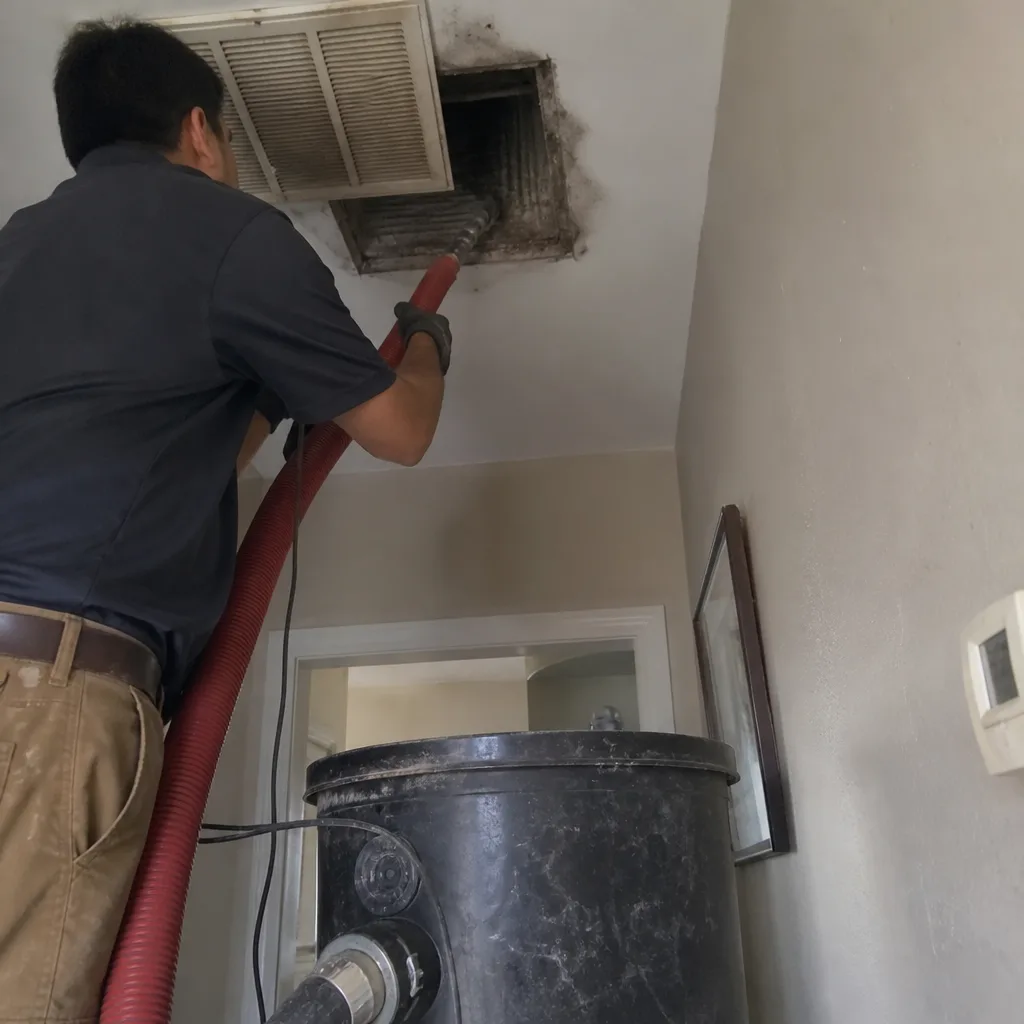 Before
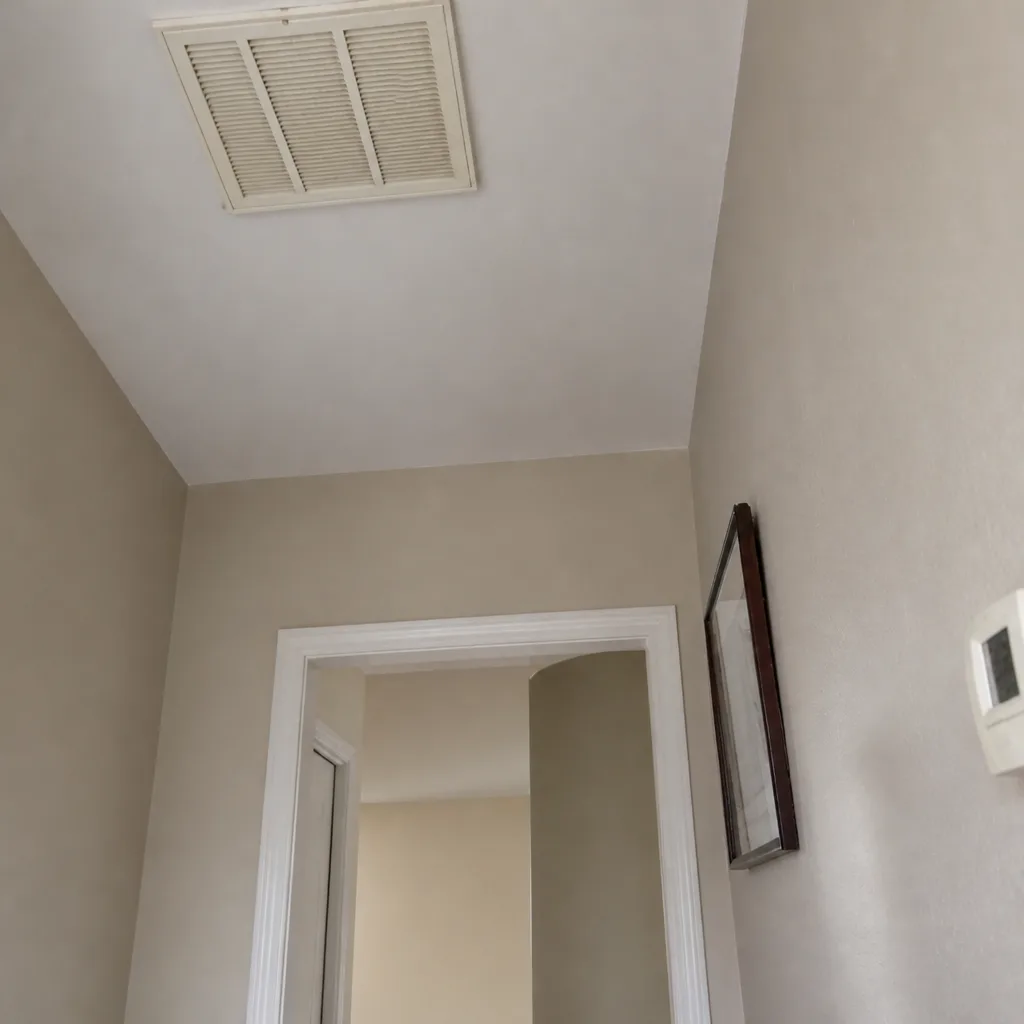 After
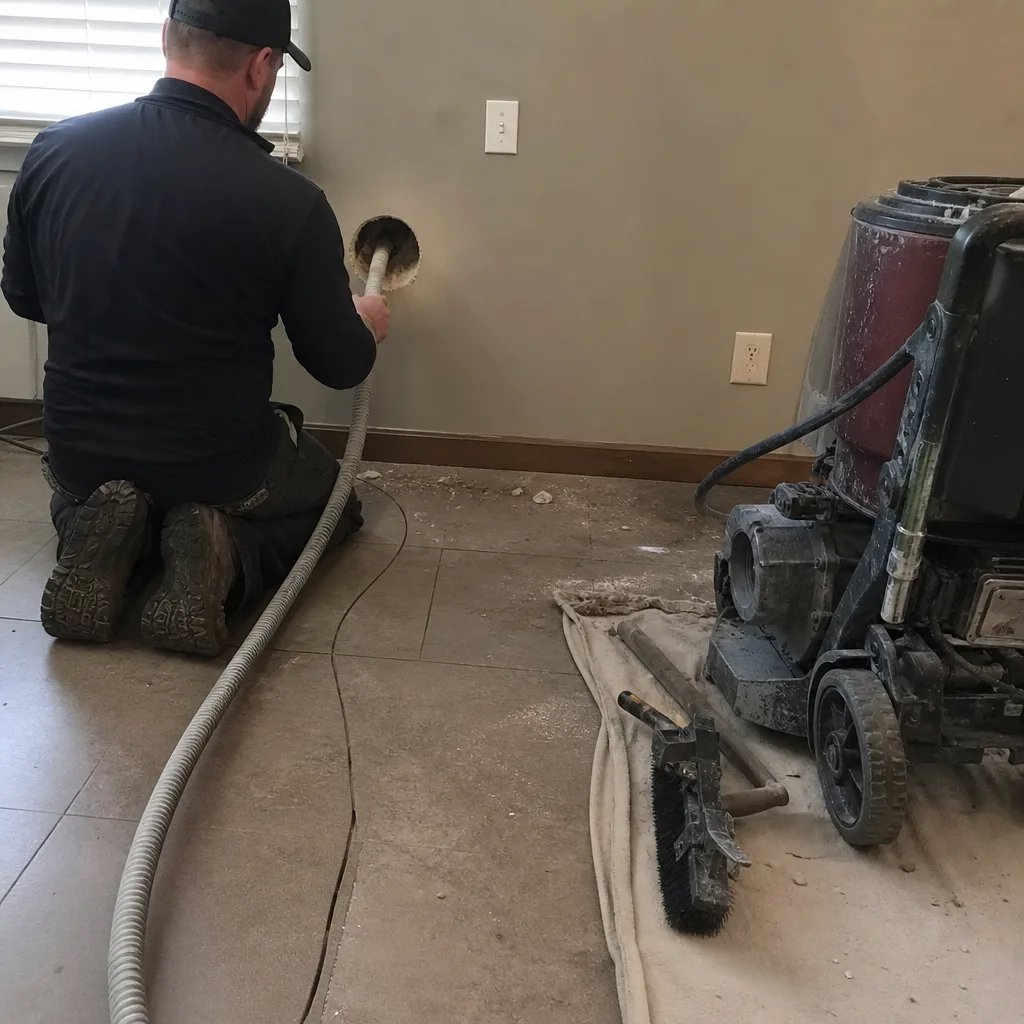 Before
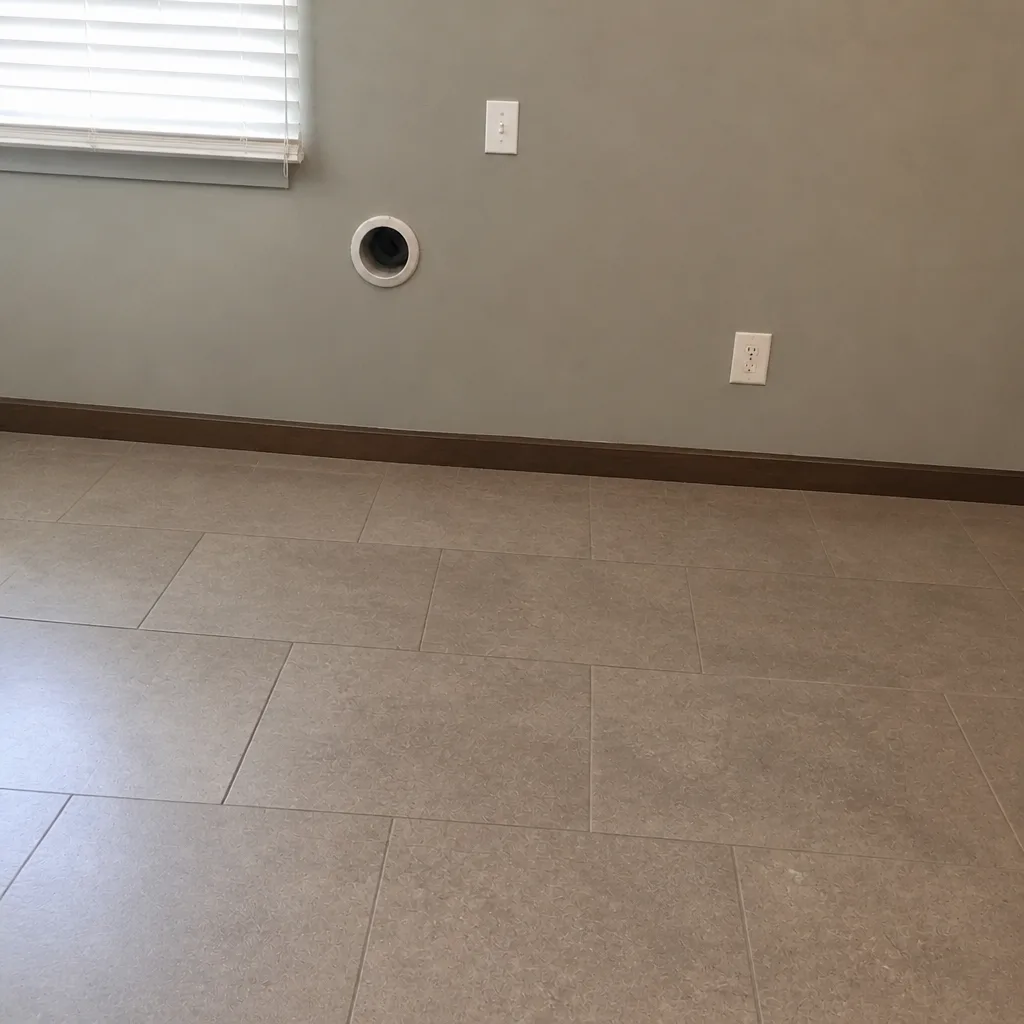 After
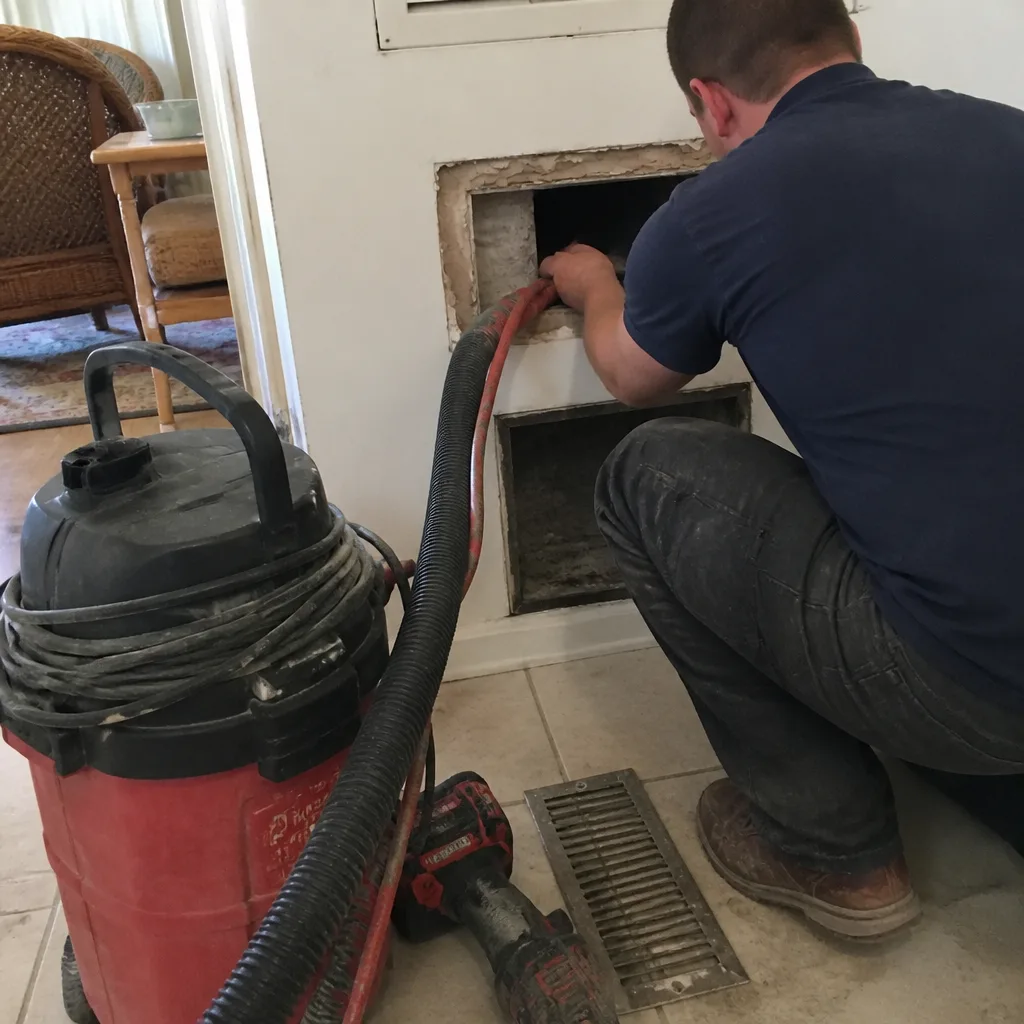 Before
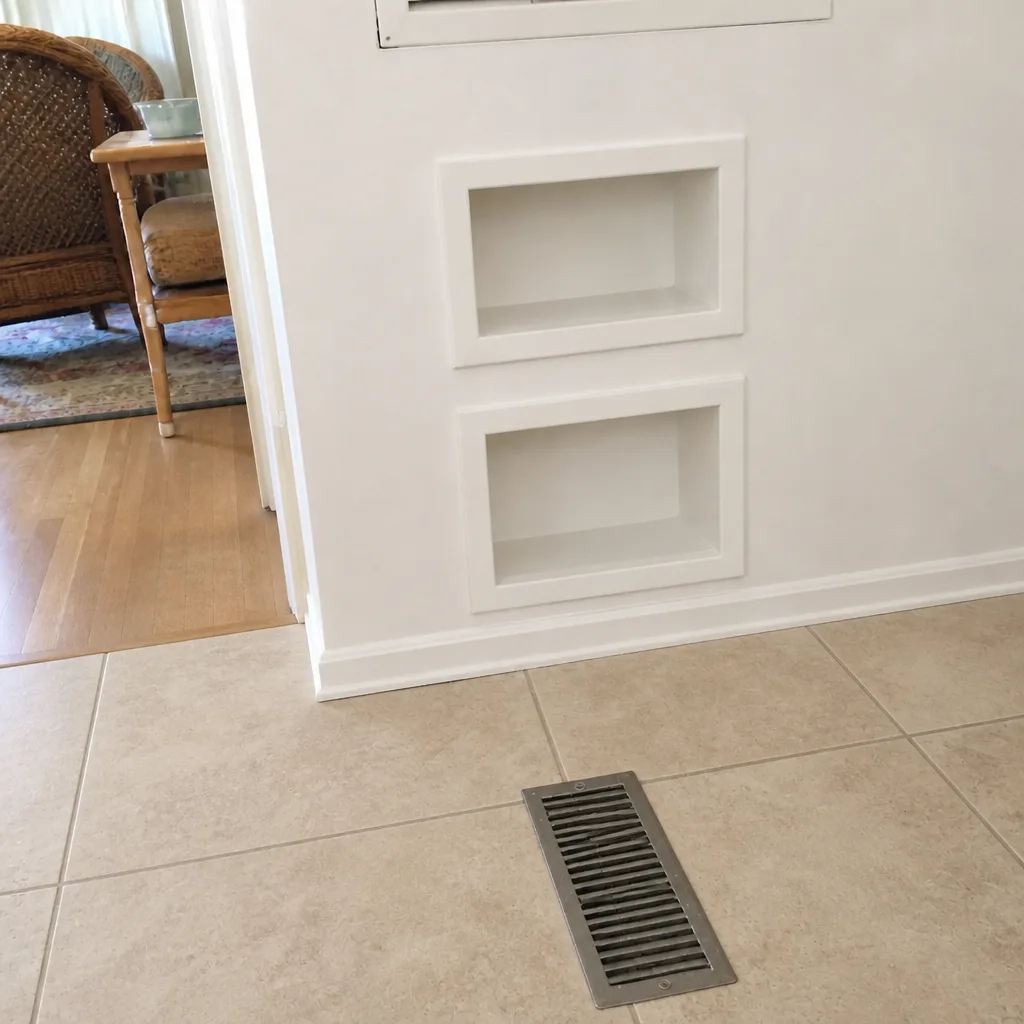 After
When to Call a Professional
Book an inspection when your own checks or your event log point to a cleaning. That means streaking at supply registers, a return grille that loads weeks after a filter change, a persistent musty smell, or a log showing a renovation, pest event, or storm since the last cleaning. It also means any visible damage to ductwork, since a leak or gap is worth checking before it becomes an airflow problem. A professional assessment reads the interior condition directly, and it tells you whether you need cleaning, repair, or both. Duct Cleaning Abilene offers free estimates in Abilene: call (888) 618-8972. We answer 24/7. Fast dispatch from 7am to 7pm, Sunday through Friday.
Frequently Asked Questions
Most homes can go several years between cleanings if filters are managed well, but event-driven contamination resets that clock. A renovation, a dust storm, pest activity, or a run through cotton harvest can justify a cleaning sooner. Track runtime and events, and clean when the record shows the system has taken on real debris.
Cost depends on the number of systems, the size of the home, and whether repair is involved, so we price each job by a written estimate rather than a flat menu number. That protects you from the bait-and-switch pricing common in this trade, where a low teaser price becomes a large invoice once the technician is on site. Call (888) 618-8972 for an exact quote; estimates are free.
Ask for before-and-after photos of your own ducts. A professional job is documented, and photos of your specific system are the honest proof. Beyond that, look for a clear method: agitation with a rotary brush, HEPA extraction, and air filtration during the job. If a technician can’t show you the work, ask why.
Cheap quotes often cover a surface pass with a shop vac and a blower rather than a true extraction, or they’re a loss-leader price that balloons once the crew arrives. Real professional equipment costs money to run, and a quote that ignores that either isn’t doing the work or will recover it in the invoice. Compare the method, not just the number. Call (888) 618-8972 to talk through what a job involves.
After. The renovation will load the system with dust and debris no matter how well it’s contained, so cleaning afterward catches what the project pushed in. Before-and-after checks on your return grilles tell you whether it’s time.
Clean the dryer vent run on its own schedule, separate from your HVAC checks, and inspect it whenever drying times start to lengthen. Lint buildup is a documented fire hazard, and the vent run is easy to forget because it’s out of sight. If you haven’t had it cleaned and lint is visible in the run, that’s your cue.
The Bottom Line
A duct maintenance checklist works when it tracks what actually drives contamination. Watch your runtime hours. Read your filter load against them. Log the events that push debris in, whether that’s a remodel, a dust storm, or cotton harvest. Check your registers and returns monthly, and run the pre-season checks before Abilene’s cooling and heating seasons hit. Do those things and you’ll predict the need for cleaning instead of guessing at it, which saves money on cleanings you didn’t need and catches problems while they’re still small.
When the record points to a cleaning, call Duct Cleaning Abilene at (888) 618-8972 for a free estimate. We answer 24/7. Fast dispatch from 7am to 7pm, Sunday through Friday.
Written by the team at Duct Cleaning Abilene.