
Last updated November 16, 2026
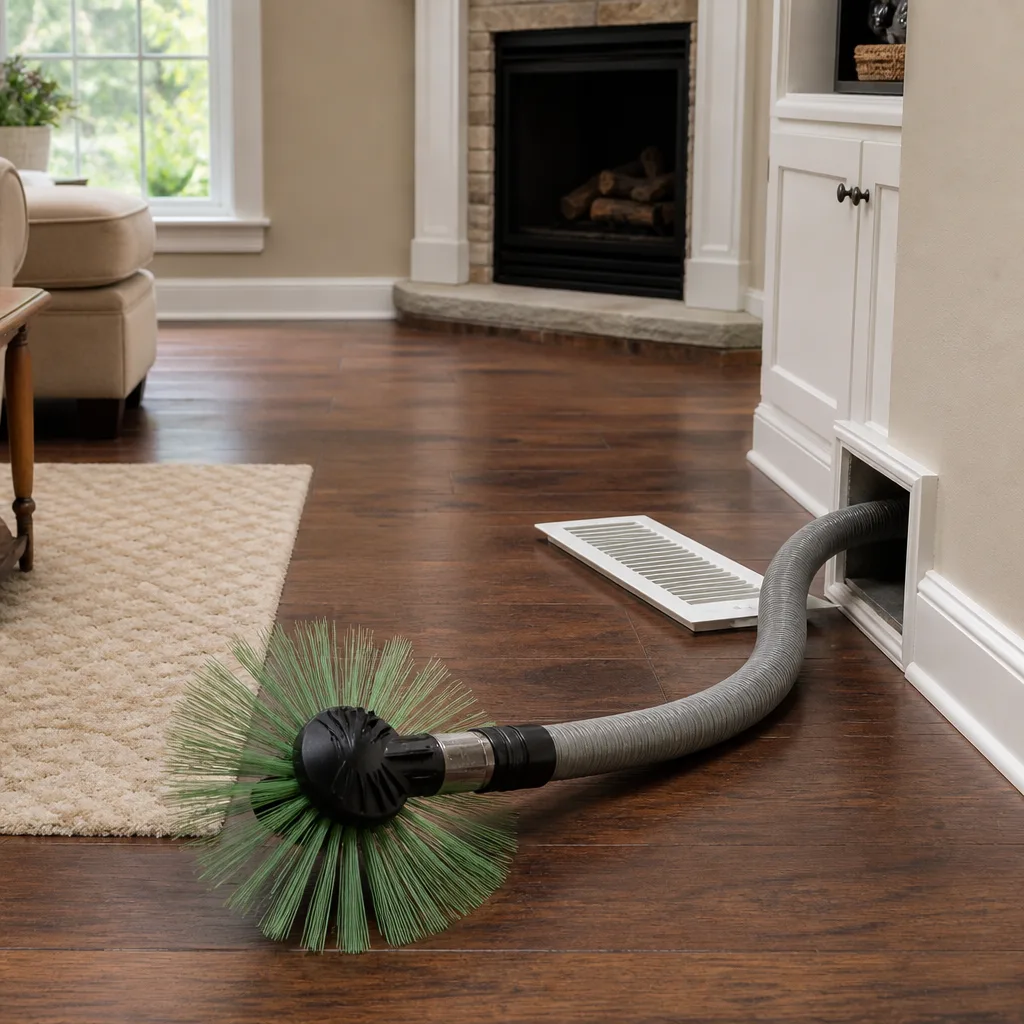 Whole-home duct cleaning
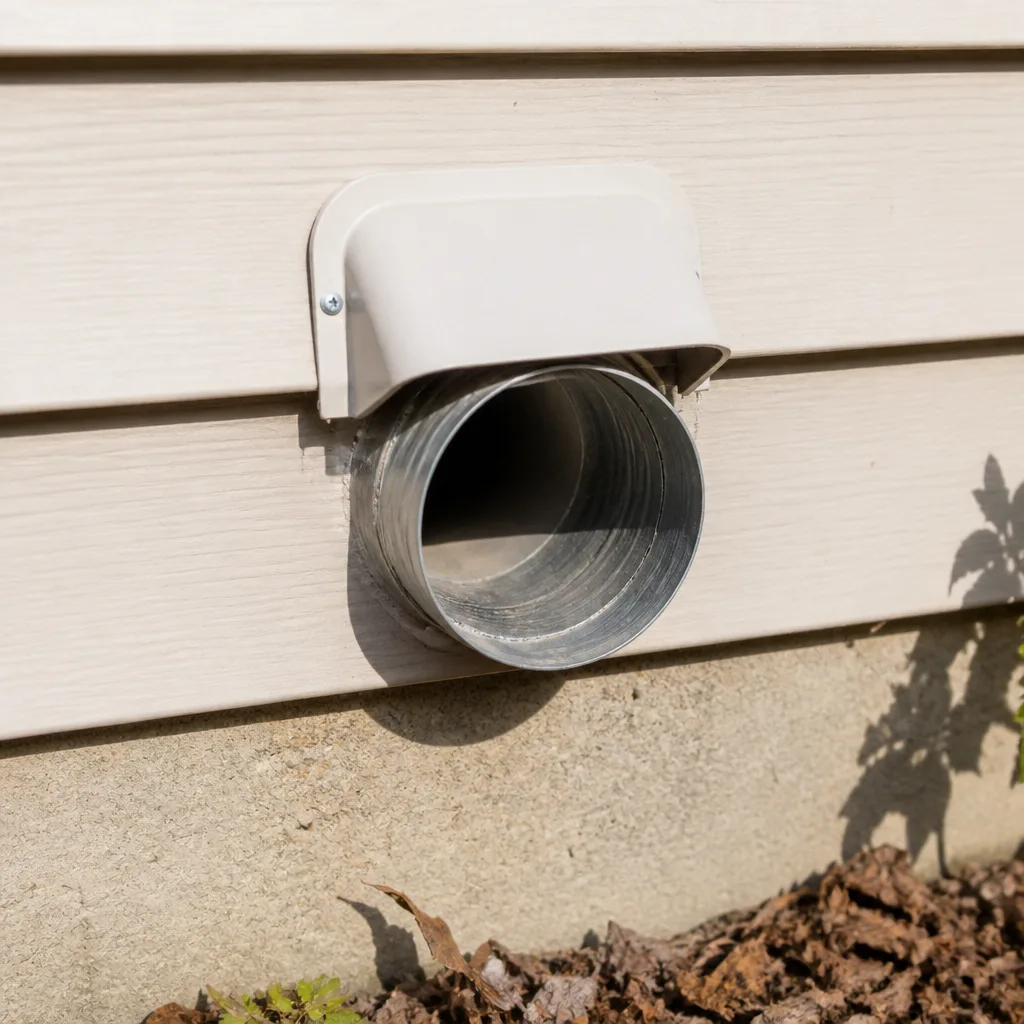 Dryer vent cleaning
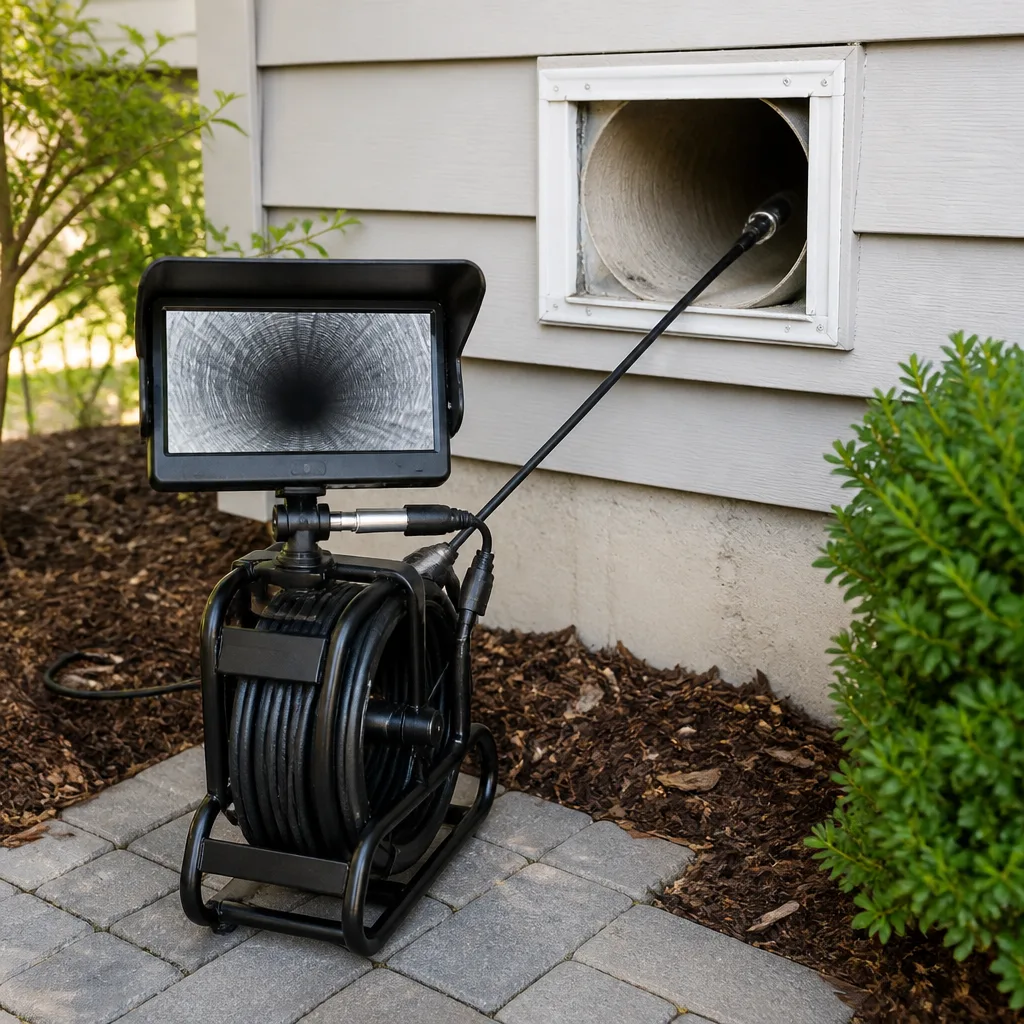 Camera inspection
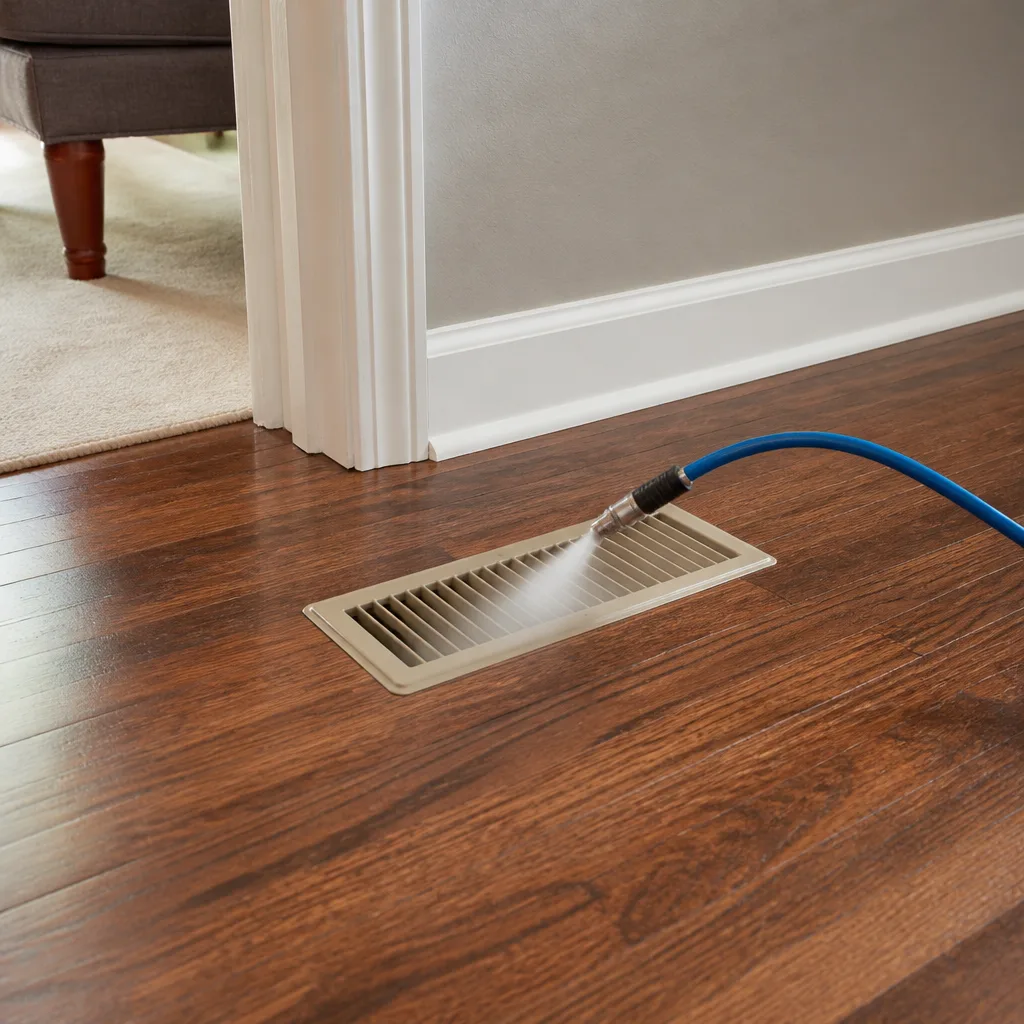 Sanitizing & deodorizing
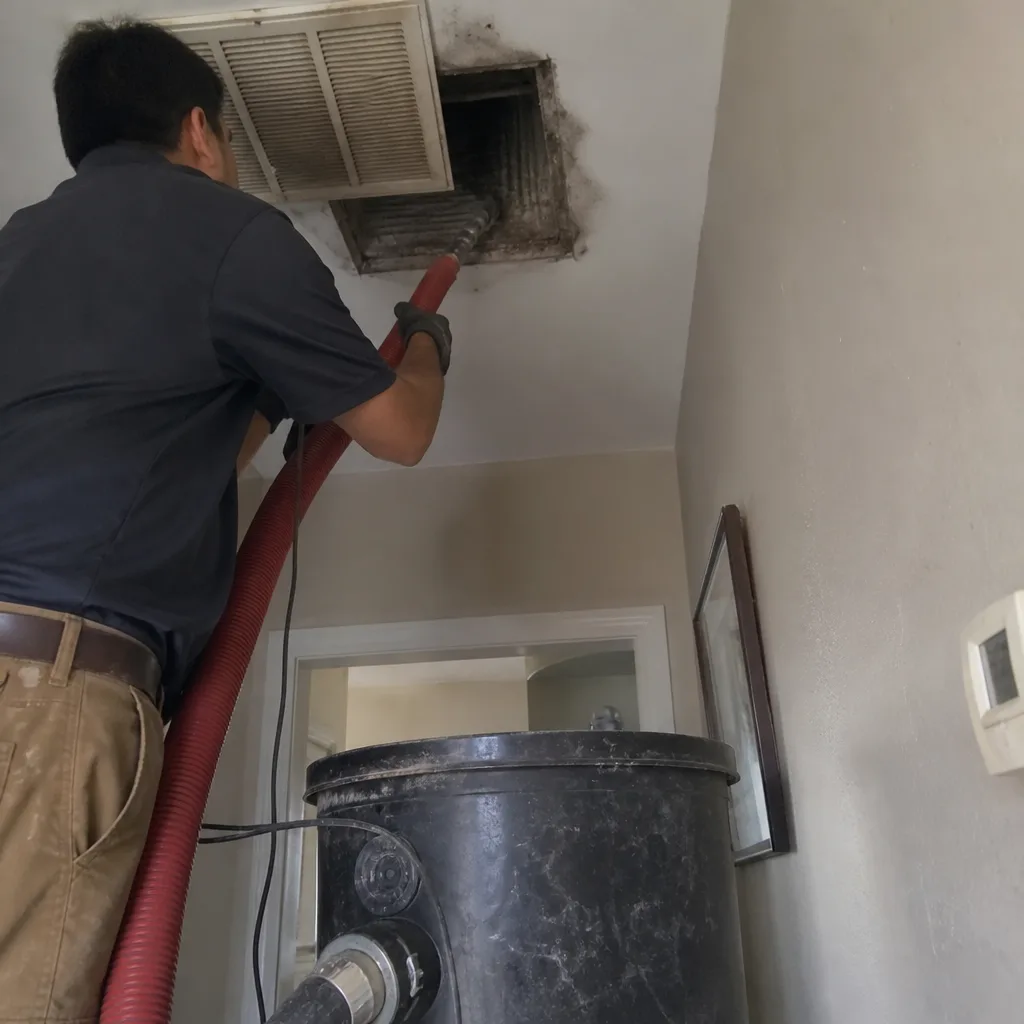
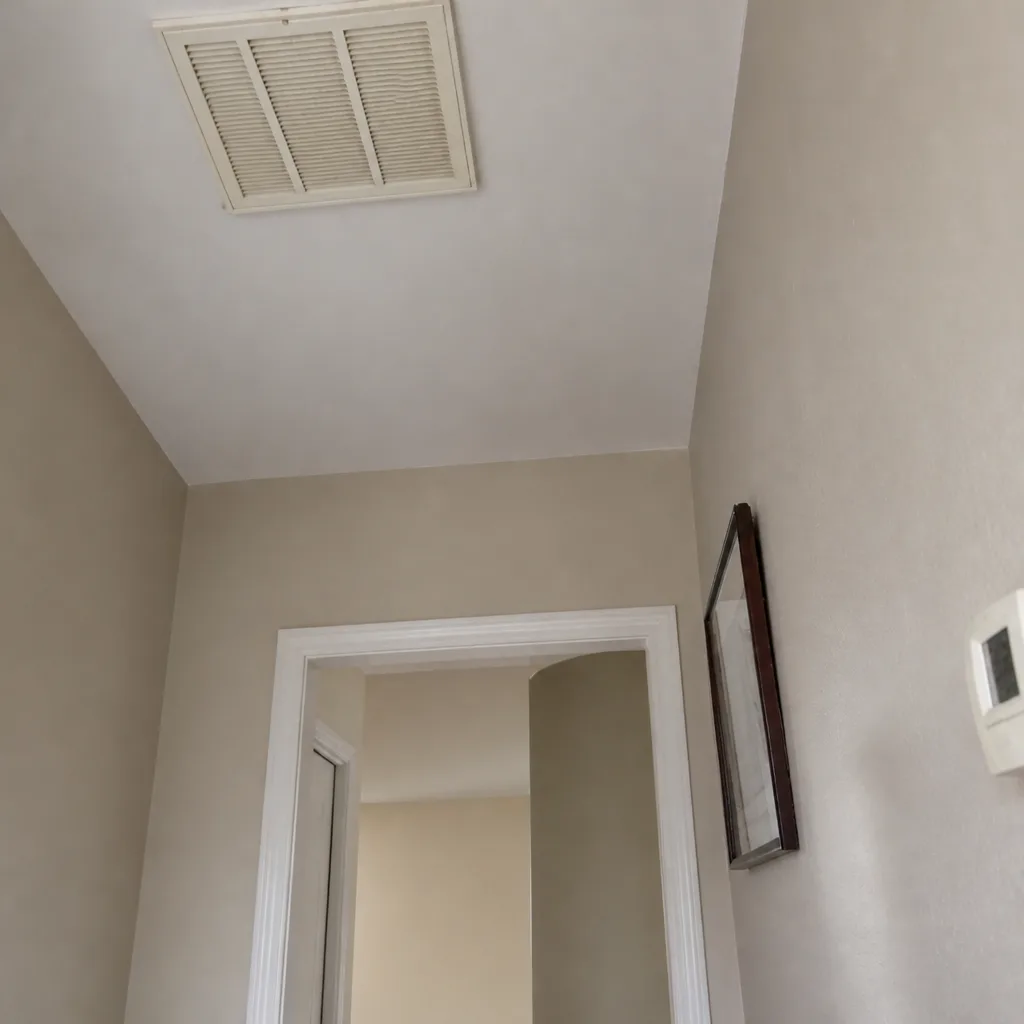
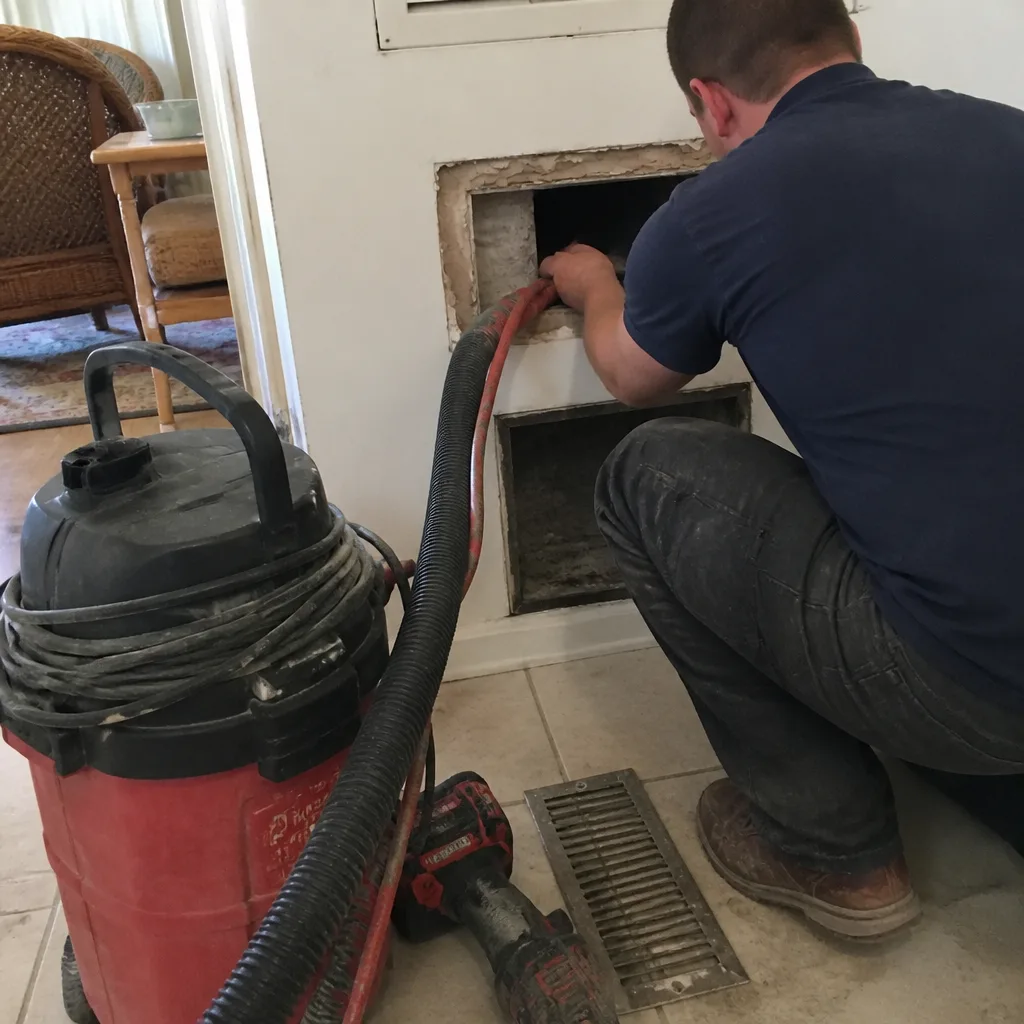
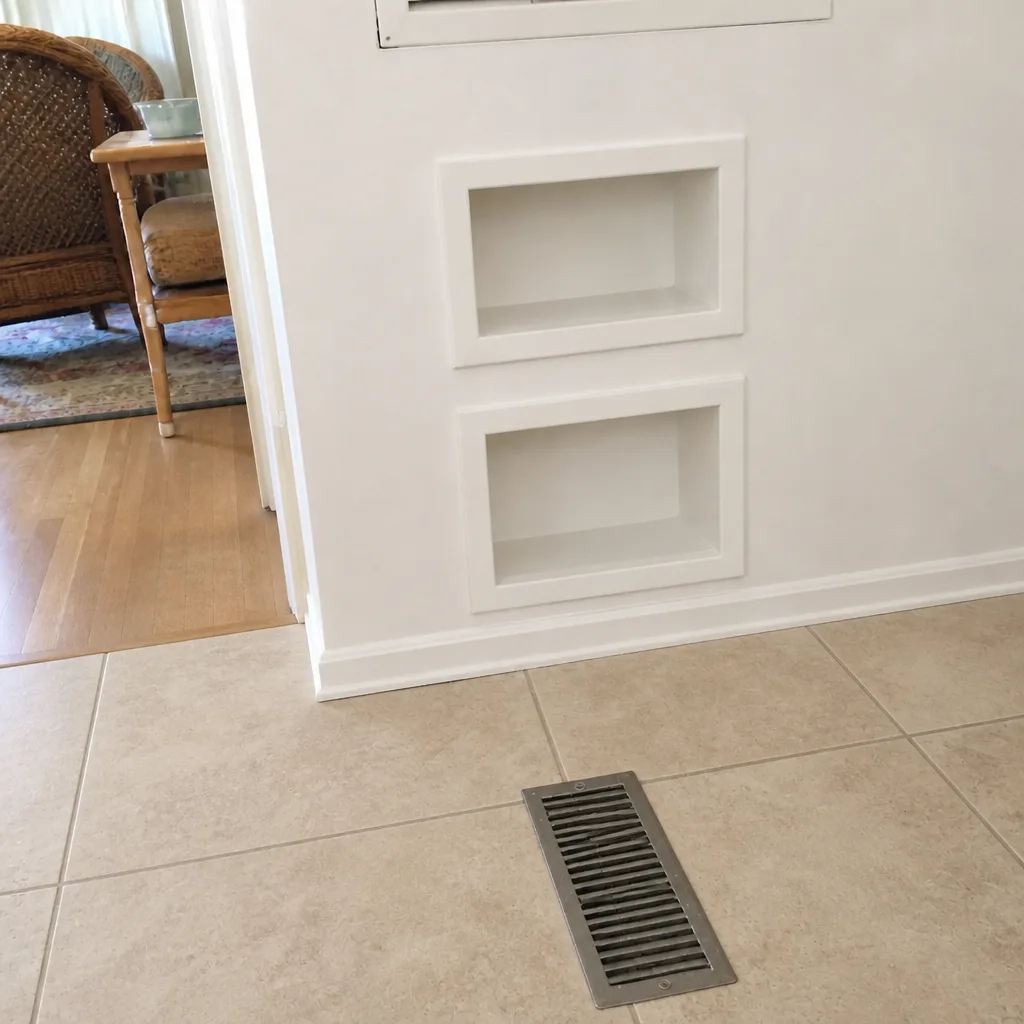
Whole-system duct and dryer vent check with before-and-after photos - you see exactly what came out of your vents
That "$99 whole-house special" is a bait ad - the real number appears once they are in your hallway, or the "clean" is a shop-vac at the register. We photograph the inside of your ducts before and after instead.
How to Hire an Air Duct Cleaning Contractor in Abilene: A Step-by-Step Guide
The cheapest duct cleaning quote in Abilene is usually a loss-leader. It’s a number designed to get a technician into your attic or crawlspace so he can sell you something else once he’s there, and by then you’ve already said yes to the price on the phone. The way to protect yourself isn’t suspicion, it’s preparation: knowing the equipment questions to ask, the certifications to check, the pricing structure to demand, and the red flags that show up in this specific market before anyone touches your system. This guide walks through the whole vetting process, step by step, so you can hire an Abilene duct cleaning contractor on your terms instead of theirs.
Quick Answer
To hire an air duct cleaning contractor in Abilene, verify three things before you book: the company’s primary business is duct and vent work (not general HVAC with duct cleaning bolted on), the crew uses professional rotary-brush and HEPA extraction equipment rather than shop vacs, and the quote is a flat whole-system price agreed after an on-site inspection, in writing, before work starts. Ask for equipment brand names, check for NADCA certification, and decline any per-vent pricing or same-visit mold upsell.
Styles & brands we work with
- Whole-home duct cleaning
- Dryer vent cleaning
- Camera inspection
- Sanitizing & deodorizing
Table of Contents
- Why a Duct Specialist Beats a General HVAC Company
- The Equipment Questions That Separate Pros From Pretenders
- How to Verify NADCA Certification in Under Two Minutes
- What a Professional Pre-Job Walkthrough Looks Like
- Red Flags Specific to the Abilene Market
- How to Compare Bids Line by Line
- What the Day of the Job Should Actually Involve
- Don’t Forget the Dryer Vent
Why a Duct Specialist Beats a General HVAC Company
Abilene has plenty of HVAC companies that will add duct cleaning to your service ticket. What it has far fewer of is operators whose main business is duct and vent work. That distinction matters more than any review score, because a company that cleans ducts twice a month owns consumer-grade tools and treats the job as a loss-leader for a bigger repair quote. A business built around air duct cleaning has invested in rotary-brush and HEPA extraction systems because they’re the tools the whole operation depends on.
Here’s what the difference looks like in practice:
- Equipment tier. A specialist runs Rotobrush rotary-brush systems and Nikro HEPA vacuums: tools that physically agitate debris off the duct wall and extract it into a sealed unit. A generalist usually brings a shop vac and a length of hose, which stirs dust into the living space more than it removes it.
- Scope. A specialist cleans the full pathway: supply runs, return runs, registers, grilles, and the air handler cabinet. A generalist often cleans what’s easiest to reach and calls it done.
- Follow-up repair. Ducts that are torn, disconnected, or leaking need repair, not just cleaning. A specialist who offers duct repair as a standalone service can fix what the cleaning uncovers. A cleaning-only operation hands you a list of problems and leaves.
- Containment. Professional jobs use negative-air equipment and air scrubbers so the dust you’re paying to remove doesn’t end up on your furniture. Many general HVAC companies skip this step entirely.
None of this means every general HVAC company is a bad choice. It means the first question in your vetting process should be: is duct work your primary business or a side item? If the answer is a side item, keep looking. In our experience, the operators who specialize produce measurably different results because their entire business model rests on doing duct work well.
The Equipment Questions That Separate Pros From Pretenders
Ask about equipment before you ask about price. The equipment answers tell you what the price is actually buying. A contractor who can name the brands, describe the method, and explain how the dust gets contained is a professional. A contractor who gives vague assurances about “the best equipment” and changes the subject is almost certainly working with consumer tools.
Questions to ask on that first phone call:
- “What brand of rotary brush system do you use?” A qualified answer names a professional system, typically Rotobrush or an equivalent. “We use a brush on a drill” is not a professional answer.
- “What do you use for extraction?” The correct answer is a HEPA vacuum or a negative-air machine, such as Nikro equipment. The extraction unit is what captures the debris the brush loosens. Without it, you’re just blowing dust around.
- “What’s the negative-air pressure rating on your unit?” You don’t need to know the exact number. You need to hear the contractor describe the system as a sealed, negative-pressure setup rather than a shop vac with open intake. If the contractor can explain how the air stays under negative pressure during the job, you’re talking to someone who understands the physics.
- “Do you use air scrubbers or containment filtration?” A professional answer names a filtration system, frequently Abatement Technologies equipment, deployed to protect your home’s air while the work is happening.
- “Will you use the same process on the returns and the supply side?” The answer should be yes, with a description of how each is accessed.
If you want a plain-language framing: Rotobrush scrubs the duct wall, Nikro extracts the loosened debris, and containment equipment keeps the rest of your home clean while the work is happening. Any contractor who can walk you through those three roles is one worth taking seriously. Any contractor who can’t name their tools is one to keep on hold.
How to Verify NADCA Certification in Under Two Minutes
The National Air Duct Cleaners Association (NADCA) is the trade body that sets the standards most professional duct cleaners follow. NADCA publishes a recognized standard for how duct cleaning should be performed and maintains a directory of certified professionals. If a company in Abilene claims NADCA certification, that’s a meaningful signal. But “claims” and “is” are two different things, so verify.
The verification takes under two minutes:
- Open the NADCA member directory on any browser.
- Enter the company name as it appears on the quote.
- Search by city and state (Abilene, TX), which also shows you which local operators are listed.
- Confirm the company matches the name on the paperwork you’re holding, not a franchise parent or a similar-sounding business.
What you don’t want is a contractor who can’t name a certification body at all, or who claims a certification but resists letting you look it up. The names on the directory are public. Anyone who has the certification will happily wait while you check. If you’re comparing contractors and one is NADCA-certified while the other says “we follow all industry standards” without naming what those are, the first contractor has done the work to be verifiable and the second hasn’t.
Certification isn’t the only thing that matters, but it’s a clear sorting signal in a market where anyone with a truck can print a business card. Combine it with the equipment questions above and you’ll have eliminated most of the crowd before you’ve exchanged a single price.
What a Professional Pre-Job Walkthrough Looks Like
A qualified duct cleaning contractor doesn’t quote over the phone and shows up to work. They quote after an inspection. That inspection is a walkthrough with a purpose: it confirms the system layout, identifies accessible ductwork, spots obvious damage or contamination, and gives the contractor enough information to quote a real number instead of a guess.
Here’s what to expect on that visit:
- Confirmation of the layout. The contractor counts the registers, checks the returns, and locates the air handler. All of this determines the scope and price.
- Inspection of accessible ductwork. The contractor will open a supply register or a return grille and look at what’s inside, and may inspect the air handler cabinet. This is the basis for any claim about contamination or damage.
- Questions about your home. How many people live there, any pets, any recent renovations, any allergy or asthma concerns. These inform how the contractor approaches the job, particularly the return runs, which collect more debris in a home with shedding pets.
- A written scope of work. What will be cleaned, what won’t, what equipment will be used, how long it will take. The scope should be specific enough that you can compare it to another contractor’s scope line by line.
- A flat price for the whole system. Not per vent. Not “starting at.” A single number that doesn’t change after the work starts, unless the contractor discovers something the inspection couldn’t reveal and asks your approval before doing it.
If your first contact is a phone quote with no inspection, you’re getting a number with no relationship to your actual system. That’s the setup for the bait-and-switch pricing pattern this trade is known for. Insist on the walkthrough.
Red Flags Specific to the Abilene Market
Abilene’s dry, dust-prone climate means ducts here collect a lot of fine particulate. That’s a real problem, and it’s also the exact problem unscrupulous contractors use as leverage. Watch for these warning signs when you’re vetting a duct cleaning company in Abilene:
- Per-vent pricing. A price like “$49 per vent” or “$20 per register” tells you the contractor is pricing the easy parts of the job and leaving the rest for the upsell. Duct cleaning is priced by the system, not by the count of grilles.
- Same-visit mold treatment upsell. The contractor inspects, “finds mold,” and offers to treat it for an additional sum, usually several times the original quote. Legitimate mold assessment in ductwork requires a proper inspection and often a lab sample; a technician who “finds” it five minutes after arrival is running a script.
- Refusal to show equipment. Any contractor who won’t show you the truck-mounted unit or extraction system before starting is hiding something. A professional is happy to display the gear.
- No containment. If the crew starts work without setting up air scrubbers or a negative-pressure setup, walk them off the job. They’ll blow debris into your living space.
- “We’re already in the area.” Unsolicited pitches, particularly after a storm or a viral social media post, are a common script in every market. Verify the business independently before you book.
- No written estimate. A verbal number isn’t a price. It’s a starting position that can move once the technician is inside your home.
The common thread: every one of these red flags is designed to move the price upward after you’ve committed. The defense is the same in every case. Flat written pricing, verified equipment, referenceable certification, and no work until you’ve seen the scope in writing.
How to Compare Bids Line by Line
Two quotes for “$400” can describe completely different jobs. Comparing them properly means ignoring the headline number and reading the scope. Here’s what to look for when you put bids side by side:
- Cleaning scope. Supply runs, return runs, registers, grilles, air handler cabinet, and any accessible plenum. A bid that covers “supply vents” but not returns is doing half the job at the same price.
- Equipment named. Rotobrush, Nikro, Abatement Technologies, Guardsman, Honeywell, Aprilaire. Named equipment in a written bid is a sign the contractor is describing real tools. Generic language like “high-powered equipment” isn’t a line item, it’s a placeholder.
- Containment method. Air scrubbers, negative-pressure setup, and drop cloths. If containment isn’t mentioned, assume it isn’t happening.
- Before-and-after documentation. Photos of your ducts taken before cleaning and after, provided to you. This is how you know the work happened.
- Exclusions. What’s not included matters as much as what is. Repairs, sanitizing, and filter upgrades are typically separate line items, and a bid should say so clearly.
- Price structure. Flat whole-system price. No per-vent, no “starting at,” no “plus materials.” The final price is the written estimate.
A low bid signals one of two things: the contractor uses consumer tools and skips the containment step, or the low price is the hook for an upsell. Neither is a bargain. If a bid is significantly below the others and the scope is identical, ask the contractor to explain what they’re not doing that the others are. The answer will usually tell you where they’ve cut corners.
Comparing bids this way is also a useful check on the contractor’s own confidence. A specialist will walk through each line without hesitation. A generalist will get defensive when you press for detail.
What the Day of the Job Should Actually Involve
A professional duct cleaning in an Abilene home follows a predictable order, and knowing what that order looks like lets you verify the work in real time. The details vary by system, but the sequence is consistent.
- Setup and protection. Drop cloths go down over floors and furniture, and the air scrubber is brought in and connected before anything is opened. Your home’s air is protected before the first register comes off.
- Register and grille removal. Supply registers, return grilles, and any vent covers are removed and set aside. Grilles are typically cleaned separately.
- Access to the duct runs. The crew opens access points at start points, branches, and the plenum. In most Abilene homes, this means working through the attic or crawlspace, which is why the crew should arrive prepared for the layout rather than improvising.
- Negative-pressure connection. The extraction unit, usually a Nikro HEPA system, is connected to one end of the duct system and turned on, creating negative pressure before the rotary brush goes in.
- Rotary-brush cleaning. The Rotobrush or equivalent system runs through each duct run, loosening debris from the walls. Because the extraction unit is running, the loosened debris goes into the collection unit, not into your home.
- Air handler cabinet cleaning. The cabinet itself, typically containing the evaporator coil, blower, and filter slot, is cleaned where accessible. The blower wheel is often the dirtiest part of the system and is frequently ignored by generalists.
- Grille and register cleaning. Each grille gets cleaned separately before it goes back on. This step is easy to skip and hard to detect later, so watch for it.
- Repairs if needed. If the cleaning uncovers a torn flex run, a disconnected joint, or a leaky plenum, a contractor who does duct repair as a standalone service can address it in the same visit. Anyone who doesn’t will point at the problem and leave.
- Final photos and walkthrough. Before-and-after photos of the ducts themselves, followed by a walkthrough of what was cleaned and what was found. A contractor who can’t show these hasn’t documented the work.
The whole job typically takes a few hours for a standard Abilene home. If a contractor promises to clean your entire system in forty-five minutes with two people, you’re paying for a vacuum sweep, not a professional cleaning.
Don’t Forget the Dryer Vent
Duct cleaning and dryer vent cleaning are two different jobs on the same theme, and a lot of homeowners only think to book one of them. The dryer vent is the piece most easily overlooked, and it’s the one with the higher stakes: the U.S. Fire Administration documents thousands of residential fires each year traced to clogged dryer vents. Lint accumulates in the exhaust line faster than most people realize, and the longer it builds up, the higher the fire risk and the harder the dryer works to dry each load.
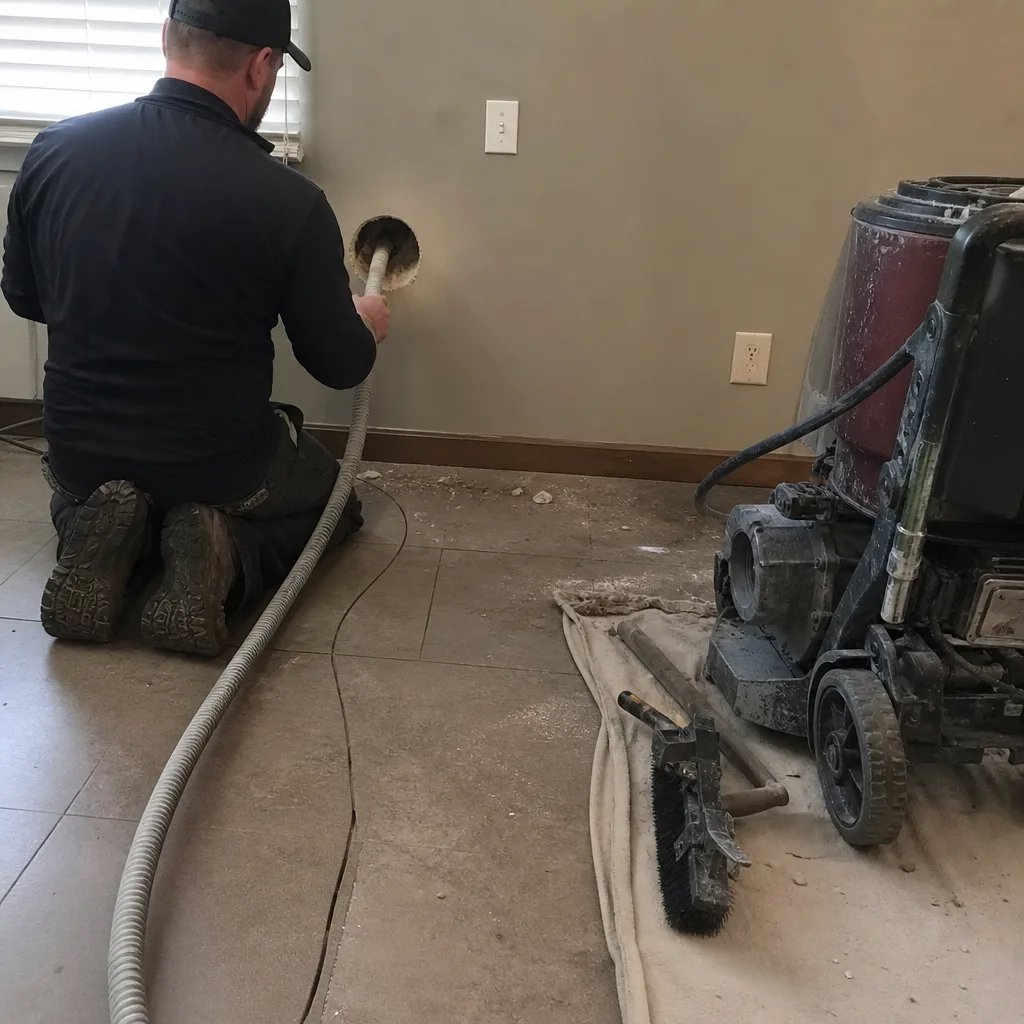
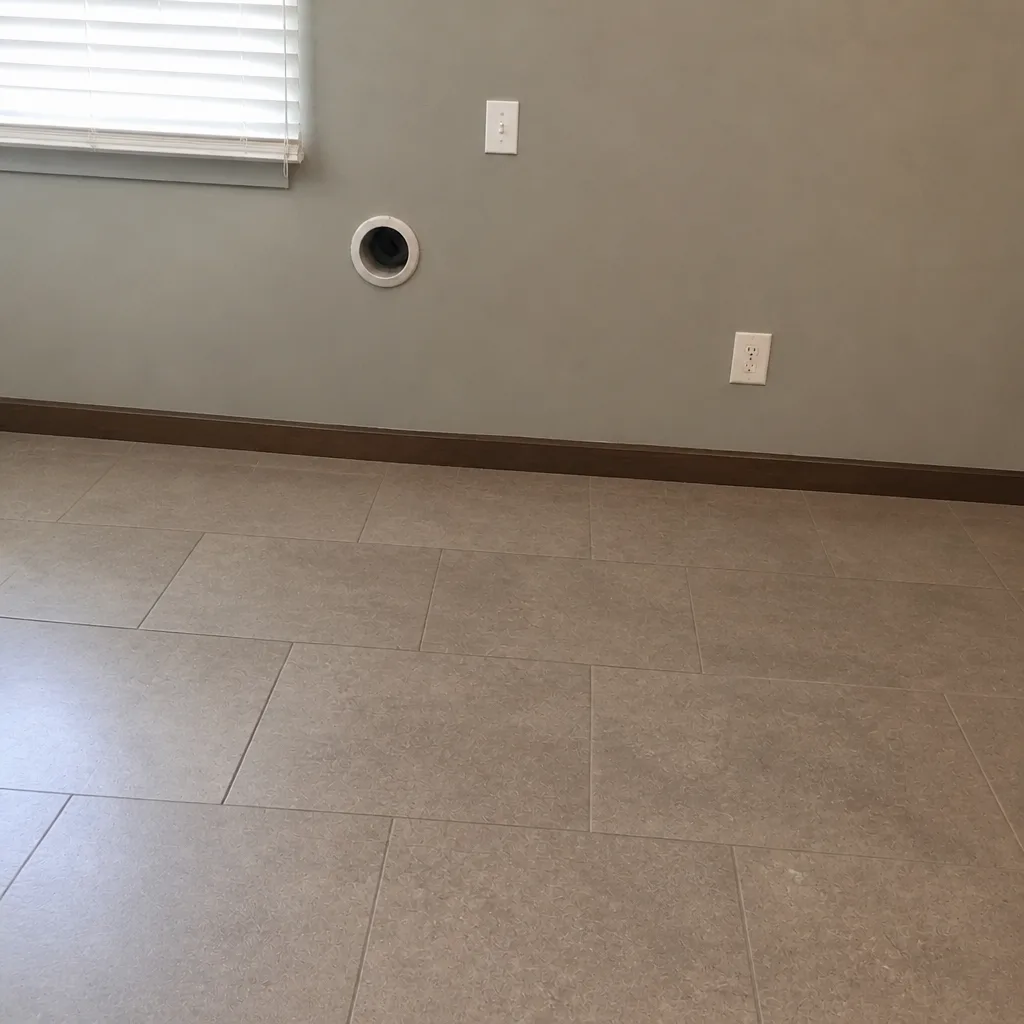
When you hire a duct cleaning contractor in Abilene, ask whether dryer vent cleaning is a core service or an upsell. There’s a difference. A specialist treats it as its own job, with the right equipment: a powered brush that runs the full length of the vent, connected to a vacuum so the lint is captured instead of pushed into the wall cavity. A generalist sometimes tacks it on as a $30 add-on after the main job, which usually means a quick wand pass that doesn’t reach the full length of the line.
Symptoms of a vent that needs cleaning:
- Clothes take longer than they used to dry
- The dryer feels unusually hot on the outside
- The exterior vent flap barely opens or doesn’t open at all when the dryer runs
- You can see lint visible inside the vent behind the lint trap
- The lint trap fills faster than it used to
If you’re booking a duct cleaning anyway, pairing the dryer vent service on the same visit is efficient. The two jobs share equipment and setup, so the combined scope is usually cleaner to schedule.
Common Mistakes to Avoid
- Accepting a phone quote as a final price. A price quoted before any inspection hasn’t accounted for your actual system layout, register count, or condition. A written estimate after the walkthrough is the only number that means anything.
- Choosing the lowest bid without reading the scope. The price tag doesn’t tell you whether the returns are included, whether the blower wheel gets cleaned, or whether containment is provided. A low bid that covers half the job is more expensive than a mid-range bid that covers all of it.
- Skipping the equipment questions. If you don’t ask about Rotobrush, Nikro, and containment, you don’t know what you’re paying for. In this trade, a shop vac and a professional HEPA system sell for similar prices and produce very different results.
- Falling for the same-visit mold upsell. Mold treatments sold on the spot, before a proper inspection and often before any visual confirmation, are a known script. Real contamination requires evidence; a technician who “finds mold” in minutes is a salesperson.
- Not asking about duct repair. Cleaning exposes problems, and the visit is the best time to address them. Confirm the contractor you hire can repair damaged or disconnected ducts, or you’ll be hiring a second trade to finish what the first one started.
- Forgetting the dryer vent. The dryer exhaust is where fires start. Even if the ducts are clean, an overlooked lint-lined dryer vent is a separate and serious risk.
- Booking from an unsolicited call. Cold callers claiming to be “in your area” are a nationwide script. Verify the company independently before scheduling, and confirm the certification yourself.
See the difference
 Before
 After
 Before
 After
 Before
 After
When to Call a Professional
Not every home needs duct cleaning on a fixed schedule. The right time to call is when the signals stack up: visible dust blowing out of registers when the system starts, a noticeable increase in dust settling on surfaces, musty odors circulating with the air, a recent renovation that released drywall dust, or allergy symptoms that worsen when the HVAC is running. If you’ve just bought an older home and don’t know the service history of the system, a professional inspection is worth booking. And if it’s been more than a few years since the dryer vent was cleaned, that’s a job worth doing on its own merit.
Duct Cleaning Abilene offers free estimates in Abilene. Call (888) 618-8972. We answer 24/7. Fast dispatch from 7am to 7pm, Sunday through Friday. Our technicians have up to 12 years of experience with professional-grade equipment, and every job is quoted at a flat price for the whole system, agreed before work starts.
Frequently Asked Questions
Duct cleaning in Abilene is priced by the whole system, not by the vent, and the price depends on the home’s size, register count, and system layout. A written estimate after an on-site walkthrough is the correct way to get a real number; a phone quote before the inspection is not. Call (888) 618-8972 for a free estimate. We answer 24/7.
Cheap quotes usually reflect either the wrong equipment or a loss-leader pricing model. A contractor with consumer tools and no containment can afford to quote low because the job costs them almost nothing to perform. A loss-leader quote gets a technician into your home so an upsell can be pitched. In both cases, the “savings” disappear once the work is done. Ask about equipment before price, and treat a low bid as a question rather than an answer.
A professional job is documented with before-and-after photos of the interior of your ducts, taken on your system during the visit. You should also see the setup: air scrubber in place, extraction unit connected, registers removed, and grilles cleaned before they go back on. If none of that is happening, the work isn’t being done the way a professional does it. The photos are your record.
Most homes fall somewhere between every few years and every several years, depending on pets, occupants, renovations, and how much dust the system is pulling in. Abilene’s dusty climate accelerates accumulation, so homes here tend to benefit from more attention than in wetter coastal climates. Rather than a fixed rule, watch for the signals: dust blowing from registers, musty odors, or a recent remodel.
Ask whether the company is NADCA-certified, then verify it yourself by searching the NADCA member directory by company name or by Abilene, TX. The search takes under two minutes. A certified contractor will welcome the check. A contractor who claims a certification but resists your looking it up hasn’t earned the call.
A proper professional cleaning covers supply runs, return runs, registers, grilles, and the accessible air handler cabinet. Some contractors price “supply vents” and quietly leave returns off the scope because returns collect the most debris and take longer. Confirm the full pathway is included in the written scope before you book.
No. The dryer vent is a separate exhaust system from your HVAC ducts and should be booked as its own service. A duct specialist typically treats it that way, with a powered brush that runs the full length of the vent connected to a vacuum. The U.S. Fire Administration documents thousands of residential fires each year linked to clogged dryer vents, so it’s worth booking as its own job.
Cleaning frequently reveals torn flex runs, disconnected joints, or leaky plenum connections that were hidden inside the attic or crawlspace. A contractor who offers duct repair as a standalone service can quote and complete the repair within the same relationship, without a second tradesperson getting involved. Ask upfront whether repair is available.
The Bottom Line
Hiring a duct cleaning contractor in Abilene comes down to three checks: confirm the company’s primary business is duct work, ask about the equipment and containment setup, and demand a flat written price after an on-site walkthrough. Verify NADCA certification yourself, read every bid line by line, and treat a low quote as a signal to look closer rather than an answer to your search. Book the dryer vent on the same visit. It’s a separate job, but it’s an important one. Approach it this way and the cheap quote at the top of the search results stops looking like a bargain and starts looking like the warning it usually is. For more on the neighborhood context, see our page on Abilene, or start with the specialists at Duct Cleaning Abilene.
Duct Cleaning Abilene connects homeowners with independent local professionals who use professional-grade equipment, from Rotobrush rotary-brush systems to Nikro HEPA extraction, with containment-grade air filtration from Abatement Technologies deployed on every job. Call (888) 618-8972 for a free estimate. We answer 24/7. Fast dispatch from 7am to 7pm, Sunday through Friday.
Written by the team at Duct Cleaning Abilene.