
Last updated November 16, 2026
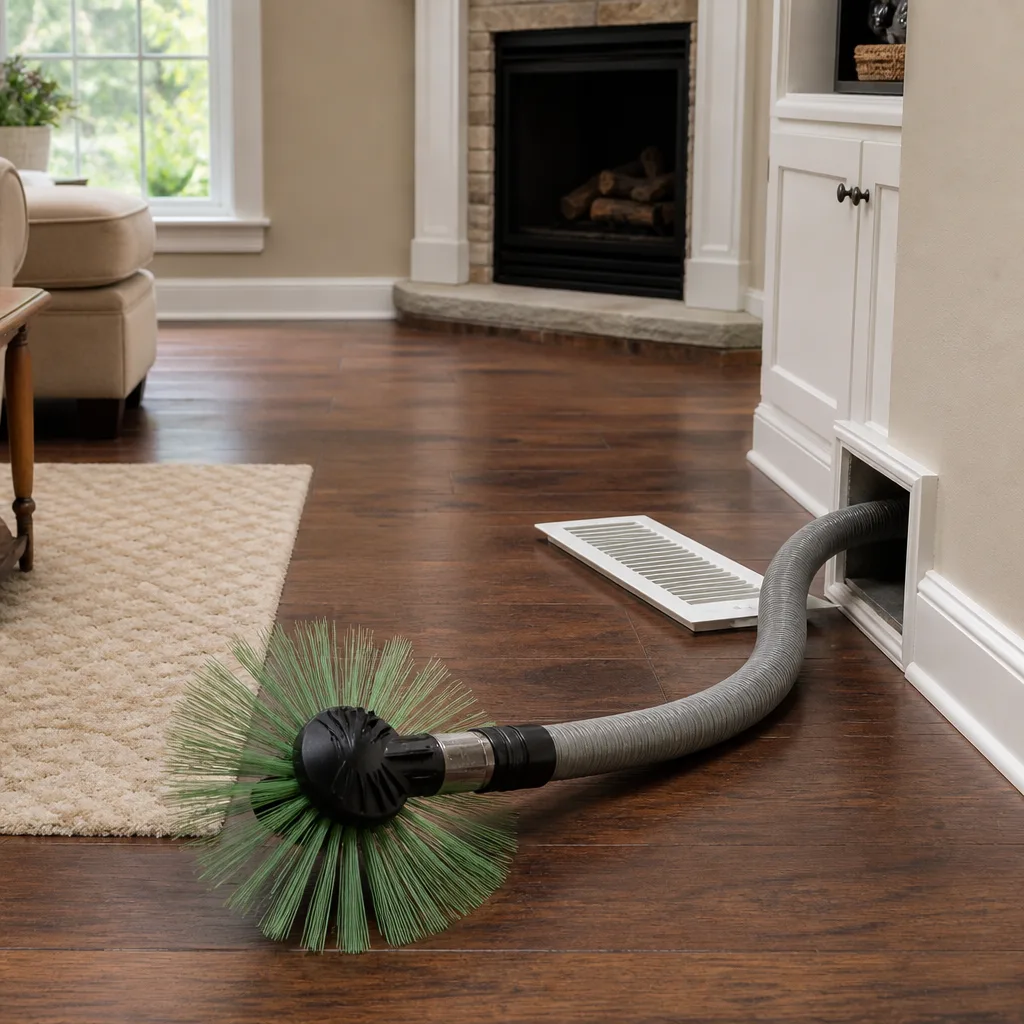 Whole-home duct cleaning
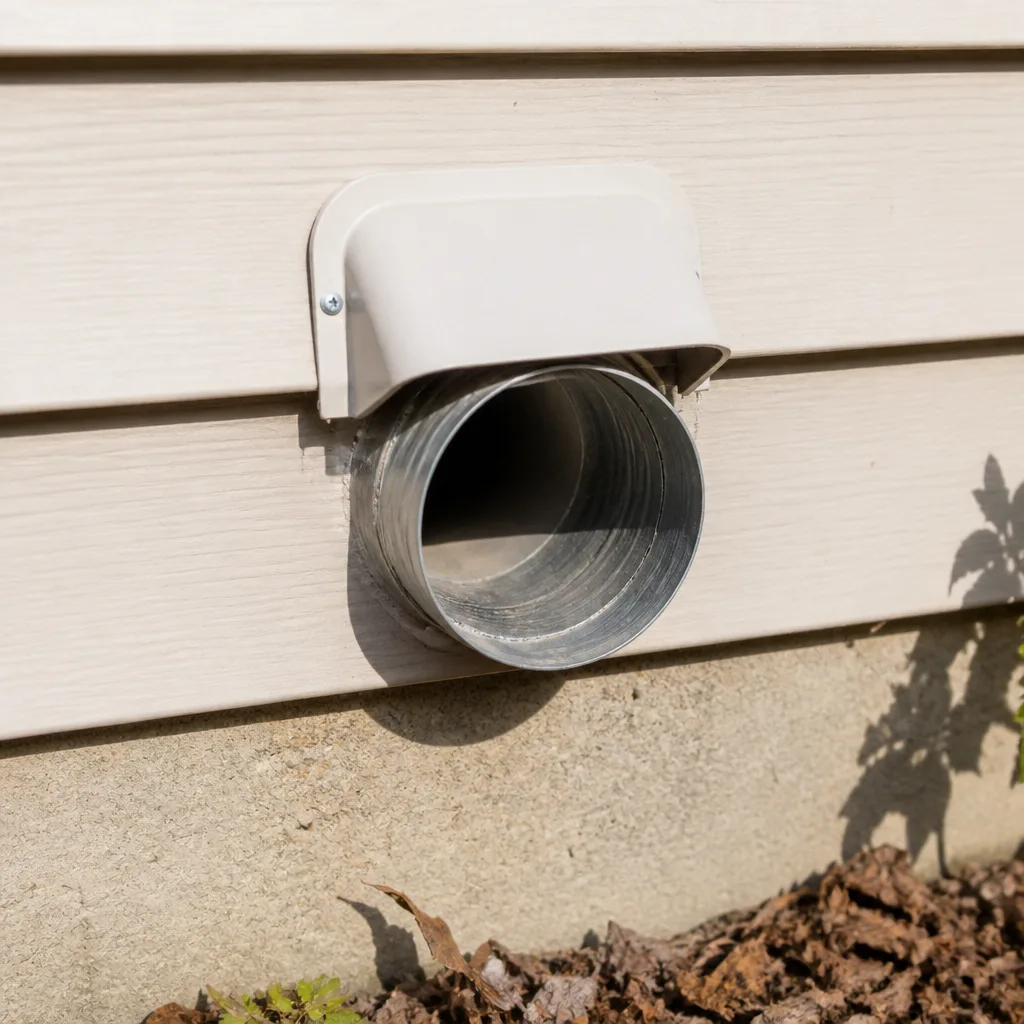 Dryer vent cleaning
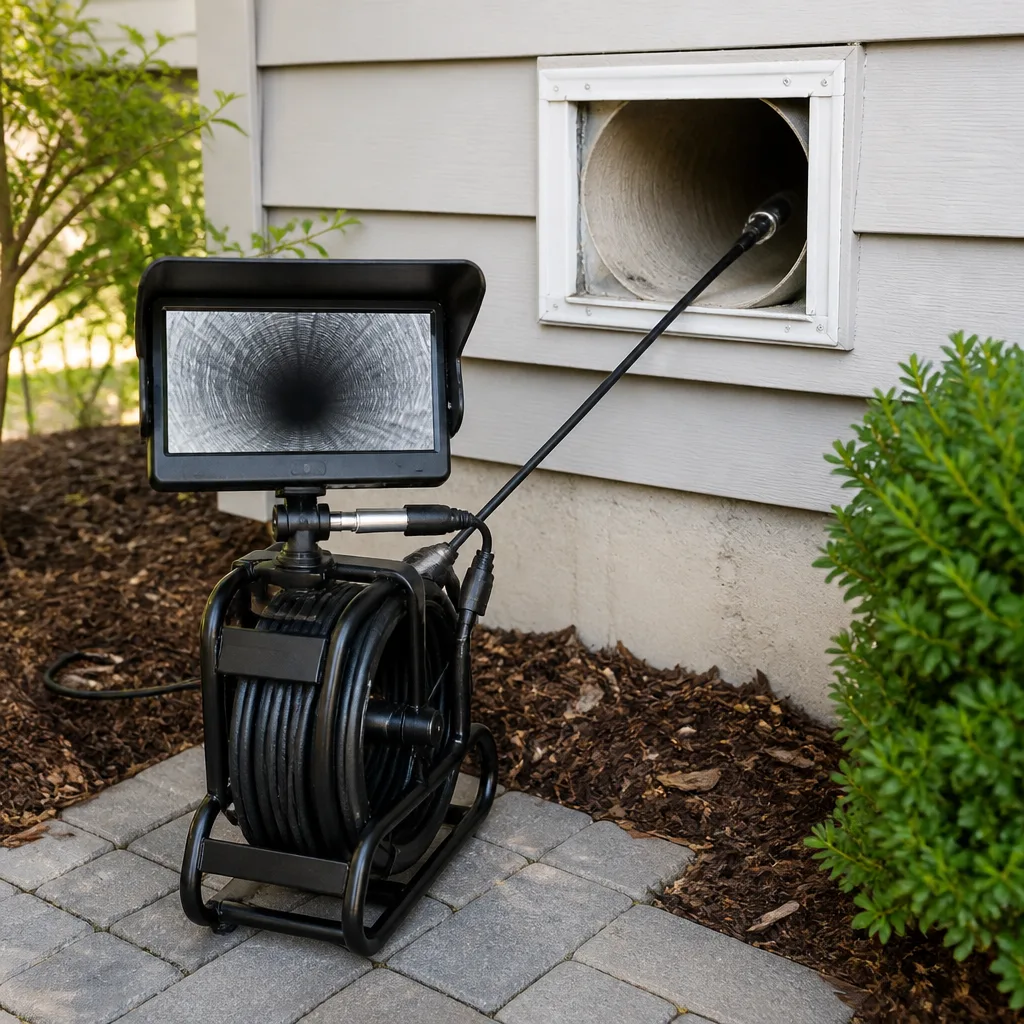 Camera inspection
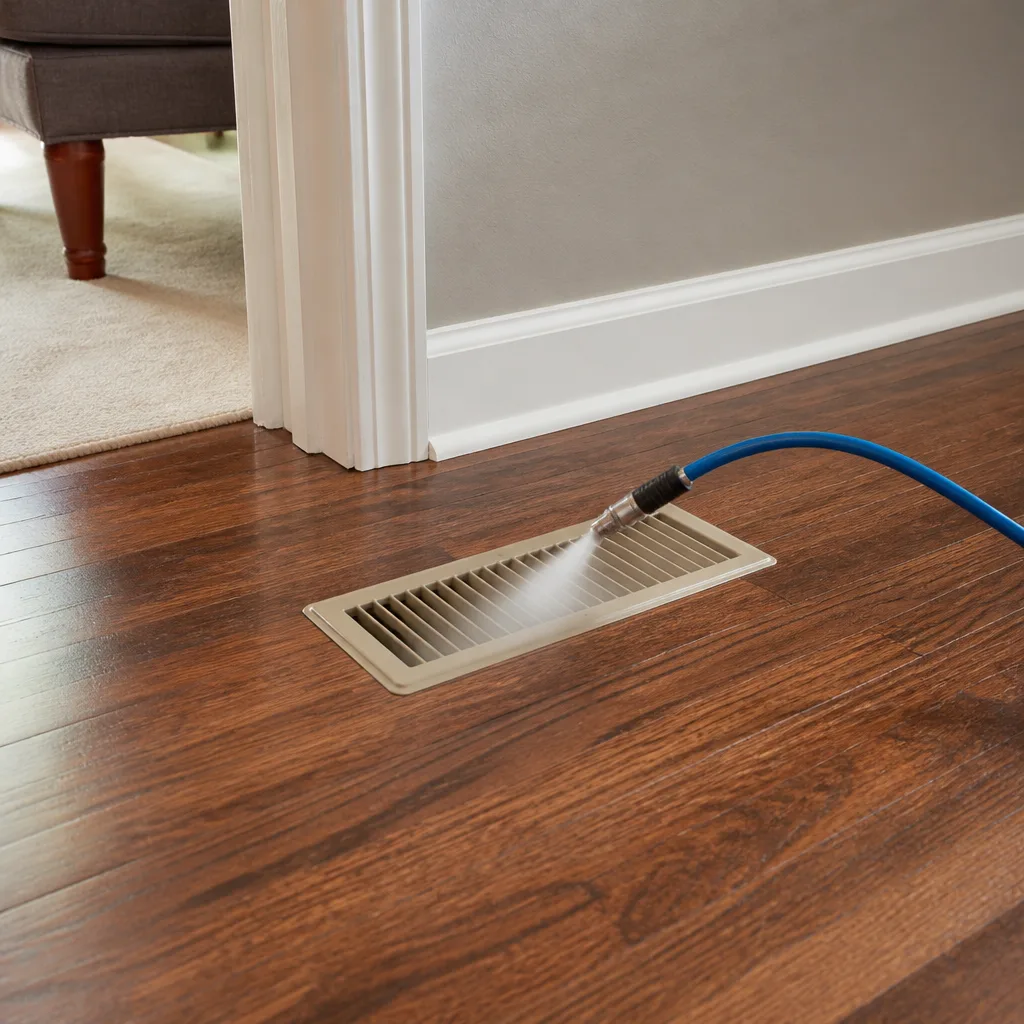 Sanitizing & deodorizing
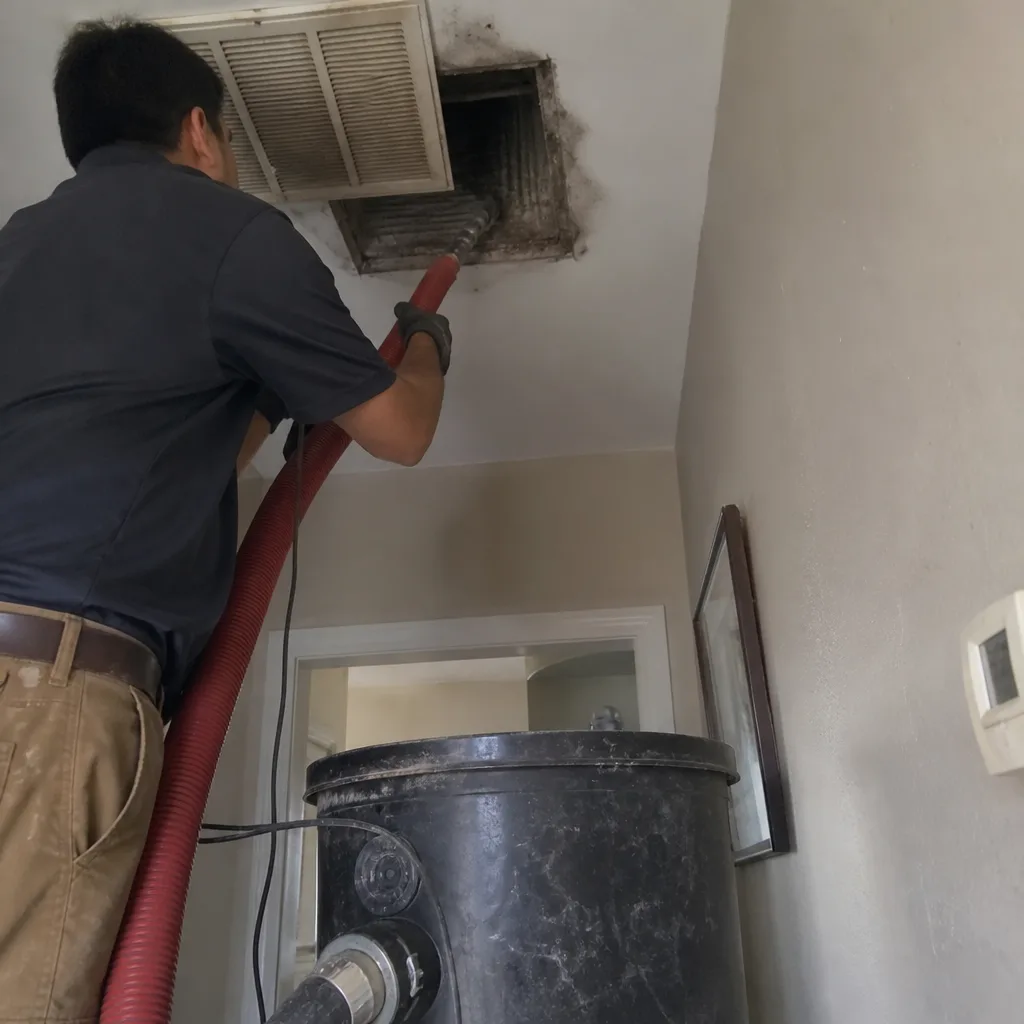
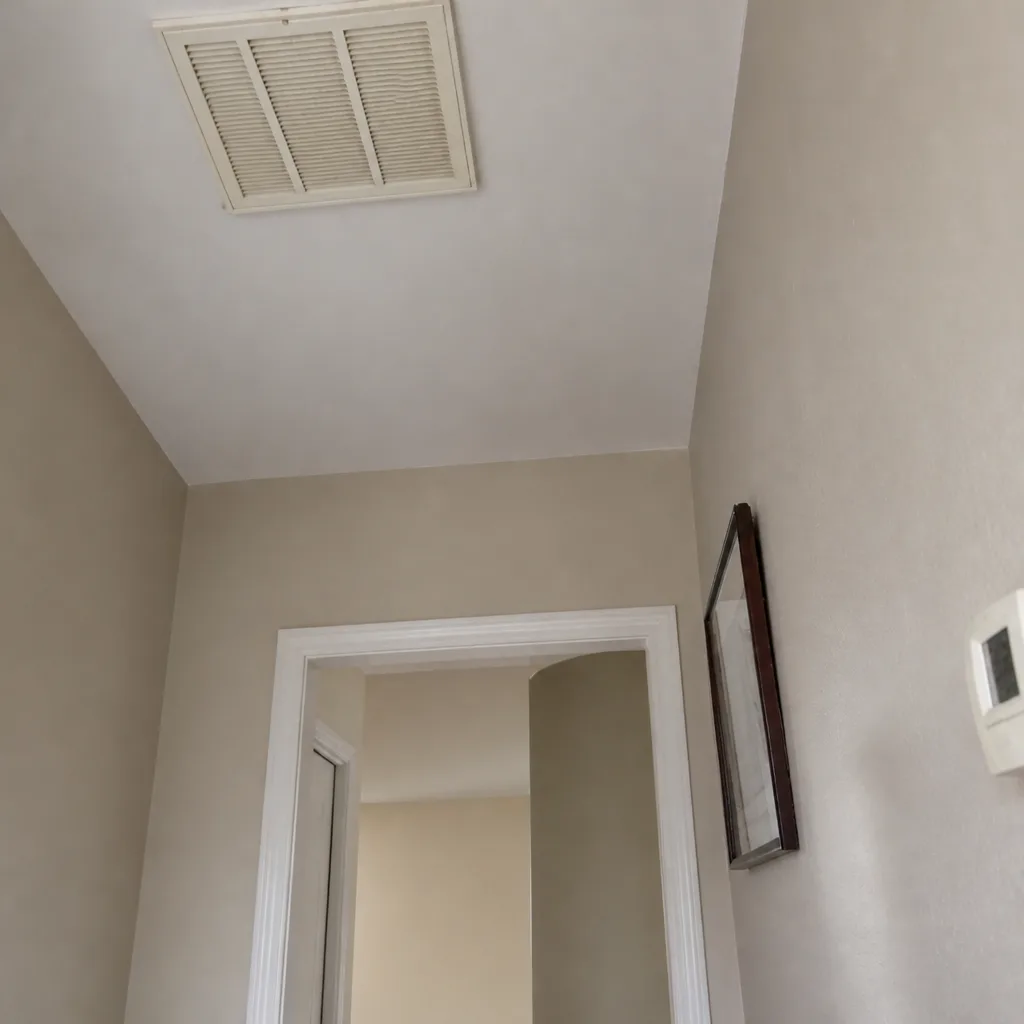
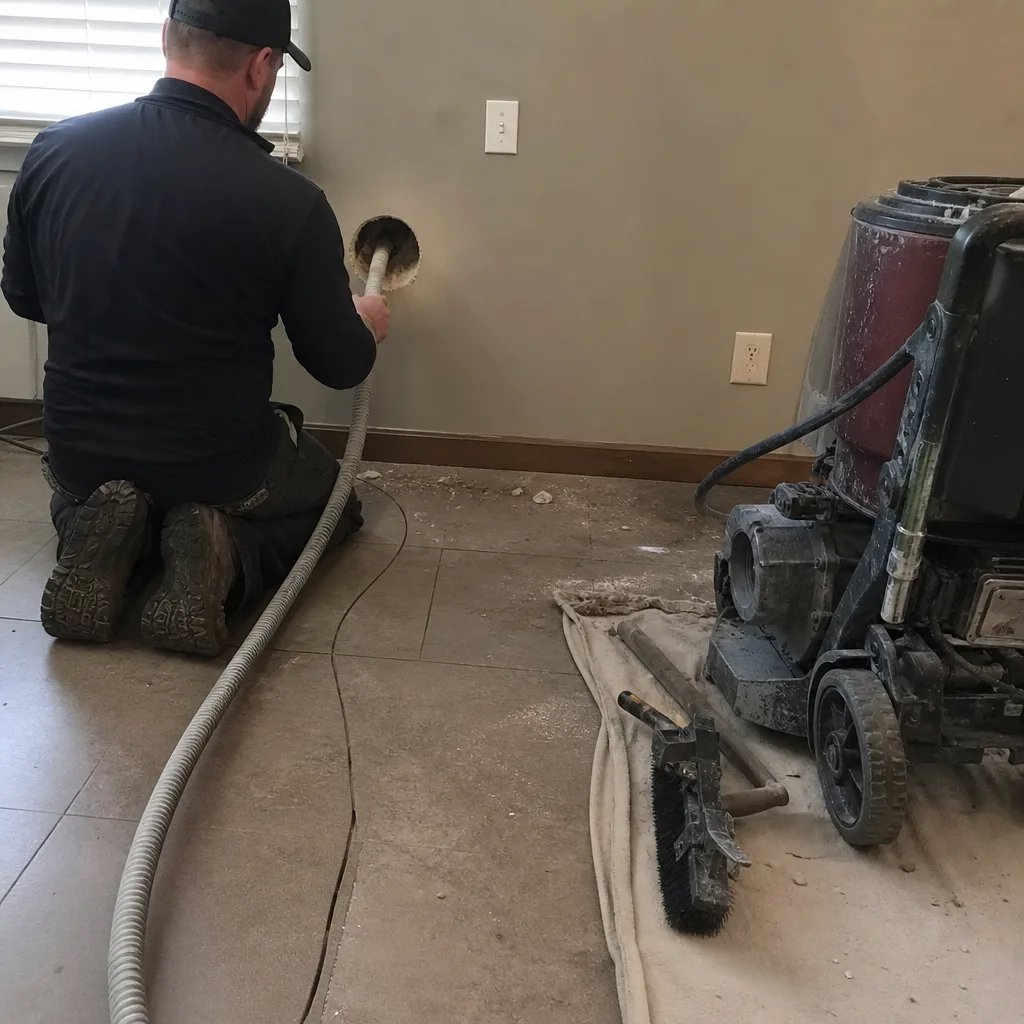
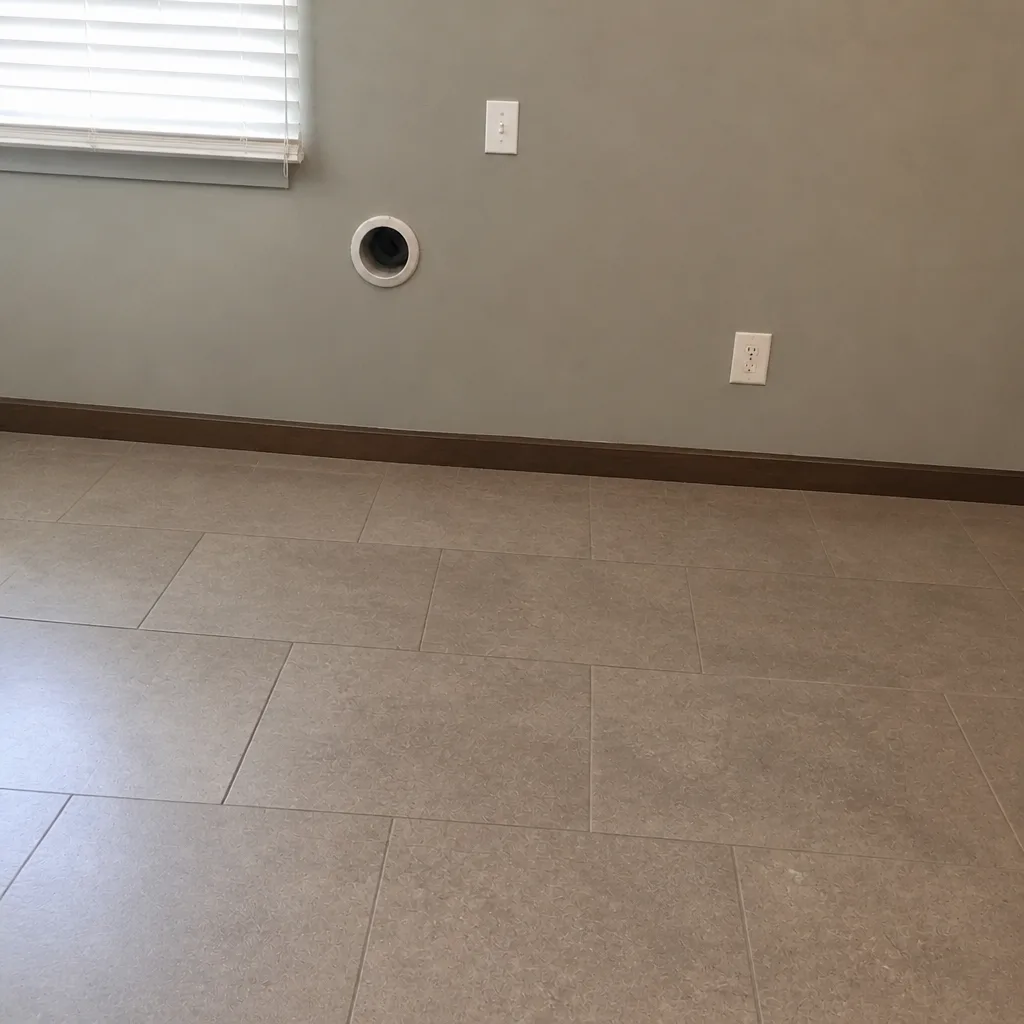
Whole-system duct and dryer vent check with before-and-after photos - you see exactly what came out of your vents
That "$99 whole-house special" is a bait ad - the real number appears once they are in your hallway, or the "clean" is a shop-vac at the register. We photograph the inside of your ducts before and after instead.
The Complete Guide to Air Duct Cleaning in Abilene
Most duct cleaning guides are written to sell you something by the third paragraph. This one isn’t. It’s written from the perspective of technicians who have worked inside Abilene homes, pulled apart duct systems underneath ranch-style houses, and seen what this part of West Texas actually does to the air handling equipment in your attic or crawl space. Abilene sits in one of the dustiest airsheds in Texas. Taylor County logs more than fifty high-wind days in a typical year, and that dust doesn’t disappear once it settles. A lot of it ends up in your return ducts. By the end of this guide, you’ll know what professional duct cleaning actually involves, how it differs from surface cleaning, and how to tell whether the job was done right before anyone leaves your home.
Quick Answer
Professional air duct cleaning in Abilene uses rotary-brush agitation and HEPA vacuum extraction to physically remove accumulated dust, caliche particulate, and debris from the inside of your duct system, not just the grilles. Source removal is the standard: every vent is cleaned and the system is put under negative pressure during the work. A job done correctly also includes drying (when moisture is present), filtration while cleaning, and a before-and-after verification you can inspect.
Styles & brands we work with
- Whole-home duct cleaning
- Dryer vent cleaning
- Camera inspection
- Sanitizing & deodorizing
Table of Contents
- Why Abilene Ducts Get Dirty Faster Than You Think
- Source Removal vs. Surface Cleaning: What You’re Actually Paying For
- How Professional Duct Cleaning Works, Step by Step
- Rotobrush and Nikro: What Pro-Grade Equipment Actually Does
- Abilene Housing Stock and How It Affects Cleaning Methods
- What a Finished Job Should Look, Smell, and Measure Like
- When Cleaning Turns Into Repair
- What Air Duct Cleaning Costs and How to Judge a Quote
Why Abilene Ducts Get Dirty Faster Than You Think
Abilene sits in Taylor County, where the soil is heavy in caliche – a calcium carbonate hardpan that turns to a fine, powdery dust under wind stress. Cotton harvest season, roughly late summer through fall, fills the air with fine fiber and plant particulate across the region. Combine that with a dry climate where relative humidity is often low enough that fine dust doesn’t cling to surfaces the way it does in Houston or East Texas, and you get a specific problem: light, dry particulate stays suspended longer, gets drawn into return air intakes, and settles deep in the duct run.
This isn’t a scare story. It’s a mechanical reality. Every air handler draws its return air from inside your home. Whatever is floating through the air during a high-wind day, or during cotton season, has a chance of being pulled into the return and held in the duct walls. Over several seasons, that dust builds up enough to reduce airflow, stress the blower, and push more particulate out through supply registers on every cycle.
A few local factors that matter:
- Wind-driven soil dust. Taylor County’s high-wind days lift fine caliche dust that settles on rooftops, attics, and outdoor HVAC units – and finds its way indoors through return intakes and door gaps.
- Cotton season airborne particulate. Fine plant fiber moves for weeks during harvest, and much of it lands on the return side of your system.
- Low humidity in summer. Dry air means fine dust stays airborne longer and doesn’t settle out of the air before reaching your return grille.
- Ranch-style and pier-and-beam construction. Many Abilene homes built from the 1960s through the 1990s have duct runs in attics or under floors with long, low-velocity runs – perfect collection points for dust that never gets a chance to clear.
If your home was built in that era and has never had the ducts professionally cleaned, there is a strong likelihood that some level of accumulated debris is sitting in the system right now. You can’t always see it through a floor register. You usually can when the technician pulls the supply boot loose.
Source Removal vs. Surface Cleaning: What You’re Actually Paying For
There are two categories of duct cleaning work being sold in Abilene and around the country. Only one of them actually cleans your ducts.
Surface cleaning means pointing a vacuum hose at the register and wiping the grille. The vacuum pulls what’s reachable at the opening. It does nothing to the dust bonded to the inside walls of the duct run, and nothing to the plenum or trunk lines. You paid for a tidy register and not much else.
Source removal means using mechanical agitation – a spinning brush or air whip – to break loose the material bonded to the interior duct surface, then extracting that loosened material with a HEPA vacuum capable of holding the entire duct system under negative pressure. The air handler is typically isolated or turned off during the work. Debris is captured, not recirculated.
Source removal is the industry standard defined by the National Air Duct Cleaners Association (NADCA). It’s the standard referenced by the EPA as well: unless the duct interior is placed under negative pressure and mechanically cleaned, the “cleaning” is largely cosmetic. In our experience, a technician can tell within a minute of pulling the first supply register whether a duct system has ever had true source removal work done. A clean duct wall looks different from a vacuumed register.
When you’re evaluating anyone offering air duct cleaning in Abilene, ask three questions:
- What tools will you use to agitate the duct interior, and what vacuum will you use to extract the material?
- Will the system be under negative pressure during the job?
- Can I see photos of before and after inside the ducts themselves?
A company that can answer all three clearly is doing source removal. A company that hedges or offers a price that seems too low for the amount of work involved is not.
How Professional Duct Cleaning Works, Step by Step
A full walkthrough of the process – so you know exactly what should happen in your home, and in what order. If the technician skips any of these stages, ask why.
- System inspection and layout review. The technician maps the duct system, counts supply and return registers, identifies the air handler and plenum, and looks for any obvious damage, disconnection, or flex-duct collapse before starting.
- Containment and air scrubbing. HEPA air filtration equipment runs in the work area during the cleaning. This protects your home’s ambient air quality while dust is being loosened and extracted. We use Abatement Technologies filtration units – the same grade used in remediation containment work – during every job.
- Negative pressure setup. A HEPA vacuum connects to the trunk line, typically through a temporary access port, pulling the entire system under negative pressure so loosened debris goes into the vacuum rather than into your living space.
- Mechanical agitation of every branch run. A rotary brush on a flexible shaft – Rotobrush is the system most technicians use – travels the length of each duct run, scrubbing the interior wall and breaking up bonded dust. Aggressive brushing, not blowing air through the duct, is what actually removes material.
- Extraction and HEPA capture. The loosened debris travels through the negative pressure hose and into the Nikro HEPA vacuum, which traps particles at high efficiency and keeps the dust out of your home’s air.
- Return and supply register cleanup. Registers and grilles are removed, cleaned, and reinstalled. The boots connecting the registers to the duct run are inspected at the same time.
- Filter replacement and IAQ review. The HVAC filter is replaced and the technician reviews the system for filter efficiency and any airflow restrictions that affect long-term performance.
- Before-and-after verification. The technician documents the state of the duct interior with photos. You should see these before signing off on the work.
Total time on a typical Abilene home depends on the number of registers and the complexity of the layout. On ranch-style homes with long attic or under-floor runs, the job takes longer than a newer house with a tight, compact duct layout. That’s a genuine difference in work, not a pricing gimmick.
Rotobrush and Nikro: What Pro-Grade Equipment Actually Does
The equipment used in duct cleaning in Abilene determines whether the job is source removal or cosmetic. Two pieces of equipment matter most.
Rotobrush rotary-brush systems are the industry standard for interior agitation. The brush rides on a flexible shaft and spins inside the duct run. The mechanical action breaks up dust bonded to the duct wall and pushes the loosened material toward the vacuum end of the system. A shop-vac and a push broom cannot replicate this. Consumer-grade vacuums and improvised brush attachments don’t have the suction to maintain negative pressure on an entire residential duct system, and they don’t have the mechanical aggressiveness to free bonded caliche dust from a return trunk line.
Nikro HEPA vacuums are what capture the loosened material. HEPA-rated extraction matters in a dry climate like Abilene’s, where fine caliche dust goes airborne easily. A HEPA vacuum traps particles at high efficiency, keeping them out of the home’s ambient air during the job. A standard commercial vacuum with a cloth bag will not hold that material.
Combined, the two systems do what a shop-vac cannot: scrub, then separate, then extract. Rotobrush scrubs. Nikro extracts. Abatement Technologies contains the ambient air during the job so your home’s air stays as clean during cleaning as it is after.
We also work with two indoor air quality brands homeowners already know: Honeywell and AprilAire. These are household names in filtration, humidification, and air purification. After the ducts are cleaned, if the homeowner’s existing filter setup is under-performing or the system could benefit from a better air quality component, those are the names we recommend and can source. Cleaning without addressing filtration is only half the job.
Abilene Housing Stock and How It Affects Cleaning Methods
Abilene’s housing stock is dominated by ranch-style homes built from the 1960s through the 1990s, plus a meaningful number of older pier-and-beam homes and newer subdivisions on the south and southwest sides. Construction type isn’t trivia – it directly determines how a technician approaches the cleaning job.
What we see across the city and how it changes the work:
- Ranch-style slab homes (1960s – 1990s). These typically have trunk-and-branch duct systems running through the attic. Branch runs are often long. Attic heat exposure over decades can dry out flex duct connections, which is one reason duct repair and duct cleaning are so often requested together.
- Pier-and-beam homes. Duct runs under the floor experience different conditions. Moisture and pest intrusion are more likely. Inspection before cleaning is essential – you can’t service a duct that’s collapsed or separated underneath a structure without repairing it first.
- Newer subdivisions. Tight, compact systems in newer homes typically clean in less time, but flex duct runs can still collect dust at the joints and transitions. Filter quality and return grille size become the bigger issues to solve after cleaning.
- Older homes with original ductwork. Ducts that have been in place for decades carry deposits that reflect the building’s whole history: caliche dust seasons, cotton harvests, past filter gaps, past pets, past renovations. Cleaning and inspecting thorough duct systems of this age sometimes uncovers leaking or deteriorated connections that should be repaired.
One local note: many Abilene homes have duct boots that don’t sit flush against the register opening. That subtle gap leaks attic air into the supply stream. During cleaning, we note these gaps and, if a repair is appropriate, that repair is often done in the same service relationship instead of pushing you to a separate contractor.
What a Finished Job Should Look, Smell, and Measure Like
A duct cleaning that’s actually been done right produces visible, verifiable results. Here’s what to check before the technician leaves your home.
Look: Ask to see photos of the inside of at least one supply run and one return run, taken before and after. The inside duct wall should look different: lighter, cleaner, free of the dust coat that was there at the start. Look at the registers themselves – they should be dust-free on the grilles, and the visible boot connection should be intact.
Smell: The air coming out of the supply registers after cleaning should smell like nothing in particular. No mustiness, no dust odor, no chemical smell. If you notice a strange odor after cleaning, that’s worth investigating – sometimes the system picks up ambient scents during cleaning that clear in a day, but persistent odor suggests a problem to look into.
Feel (airflow): After a house’s ducts are cleaned, airflow through supply registers often improves, especially in return trunks or long branch runs that were restricted. You can test this by holding a hand at each register and comparing it to your memory of before. If airflow is weaker after cleaning, ask why – that’s a fault worth diagnosing.
Measure (optional but useful): A before-and-after particle reading is not a required part of a job, but some duct cleaning technicians carry particle counters. If a technician offers to compare ambient air particulate before and after, that’s an extra layer of verification. We don’t promise a specific number because it depends on the system and the home, but the trend should move in the right direction.
Documentation: Before-and-after photos of the duct interior are the strongest proof. Ask for them. A company confident in its work will have them ready.
When Cleaning Turns Into Repair
Duct cleaning sometimes uncovers damage that wasn’t visible before the technician opened the system. This is where a specialist differs from a generalist: cleaning without the ability to repair what’s discovered often means a second contractor and a second trip.
Common issues found during an Abilene duct cleaning:
- Collapsed flex duct runs. Flex duct that has sagged or crushed can’t move the air it was designed to move. Cleaning without repairing it doesn’t solve the airflow problem.
- Disconnected boots and joints. Gaps at the boot-to-register connection leak attic air into the supply stream – a real source of dust entry, especially in dry, dusty Abilene.
- Torn duct insulation. Damaged insulation on attic ducts loses R-value and lets condensation form where it shouldn’t.
- Deteriorated sealant on duct seams. Over decades, sealant cracks. Cracks leak conditioned air into unconditioned space and pull attic dust in.
When these issues turn up, having one service relationship handle both cleaning and air duct cleaning-adjacent repair work saves time and prevents the “we don’t do that” conversation. We clean the duct, then we can repair it. Repair is a standalone service, but it’s most often discovered during cleaning.
What Air Duct Cleaning Costs and How to Judge a Quote
Air duct cleaning pricing in Abilene is typically quoted per system, not per vent. That distinction matters more than any single number in the quote.
- Per-system pricing means the job is priced as a whole, covering all supply and return runs, the plenum, the air handler approach, and register cleanup. This is the standard you want.
- Per-vent pricing is what leads to the modern bait-and-switch problem in this trade. A low teaser quote for “one vent” or “one system” expands once the technician is on site and layers on per-vent fees, per-run fees, or “extra equipment” fees.
- The honest quote is the written one. Before any work starts, you should have a written price for the whole system in your hands. The final price is set by that written estimate. If a technician shows up and quotes something different from what you agreed to, that’s the signal to stop.
Why are some quotes dramatically lower? Because the company is quoting surface cleaning, not source removal. A shop-vac and a brush for the grilles takes a fraction of the time of a full system scrub and HEPA extraction. The lower price reflects the amount of work being done, not a smarter business model.
Ask about the written estimate, ask what equipment will be used, and ask what the quote includes. A professional quote will answer all three.
Common Mistakes to Avoid
- Accepting a per-vent price. A per-vent quote is not a whole-system price and usually signals the total will expand once work begins. Ask for a flat per-system price in writing before anything starts.
- Skipping the before-and-after photos. Photos of the duct interior before and after the job are the simplest proof of work done. If they aren’t offered, ask for them.
- Hiring someone who skips containment. In a dry, dusty city like Abilene, HEPA filtration and negative pressure during the job are not optional. Without them, cleaning one room can dirty the rest of the home.
- Cleaning without addressing filtration afterward. Cleaning the ducts and leaving an under-performing filter in the air handler wastes the work. Upgrading to a filter system (Honeywell and AprilAire are known options) keeps the ducts cleaner longer.
- Ignoring the dryer vent. Dryer vent cleaning is a serious fire safety service, not an upsell. The U.S. Fire Administration documents thousands of residential fires from dryer vents each year. If you’re having the HVAC ducts cleaned, ask for dryer vent cleaning on the same visit.
- Skipping inspection before cleaning in an older home. Ducts over 30 years old should be inspected before cleaning begins. A collapsed flex run cleaned without inspection gives you a cleaner system that still can’t move air properly.
- Assuming one cleaning lasts forever. In Abilene’s dusty environment, duct systems re-accumulate dust over several years. Serious cleaning isn’t a one-time event marked on a calendar; it should follow visible signs like dust blowing from registers or a filter that clogs suspiciously fast.
See the difference
 Before
 After
 Before
 After
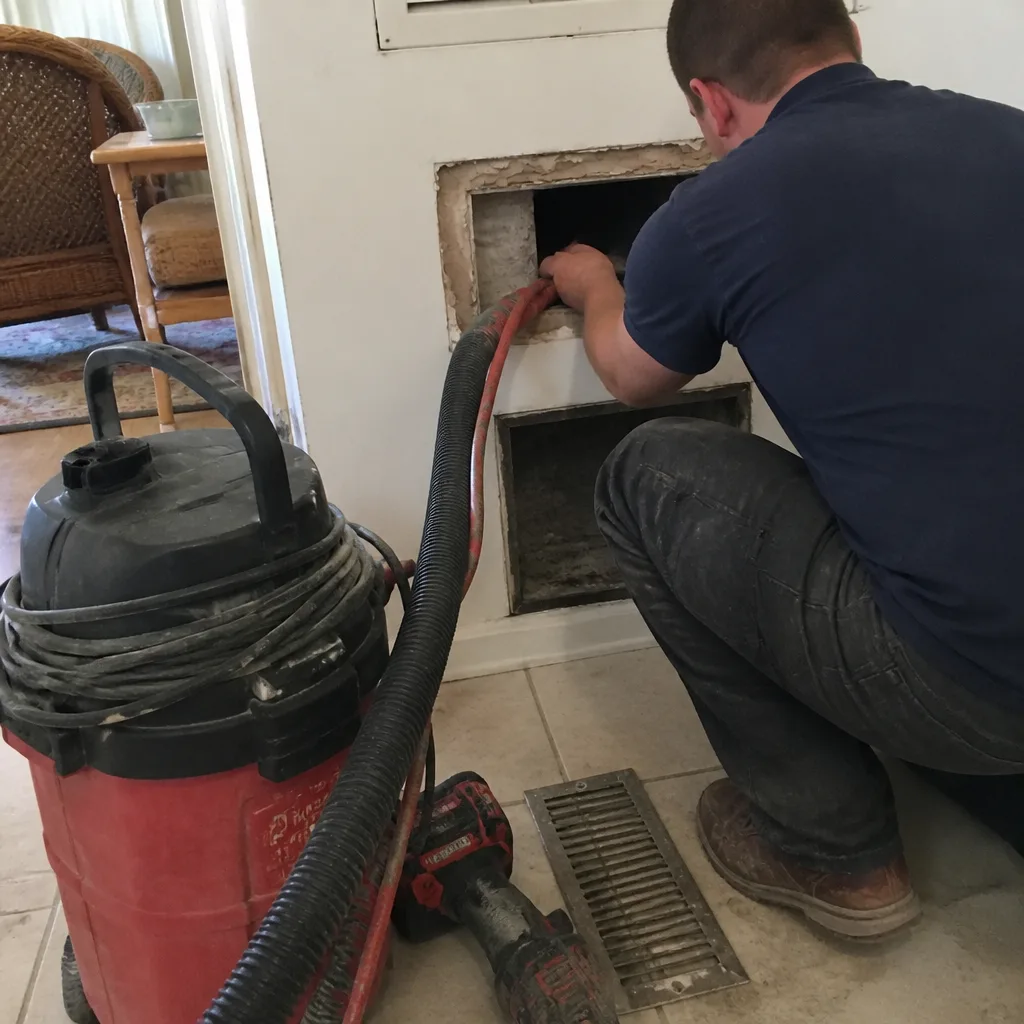 Before
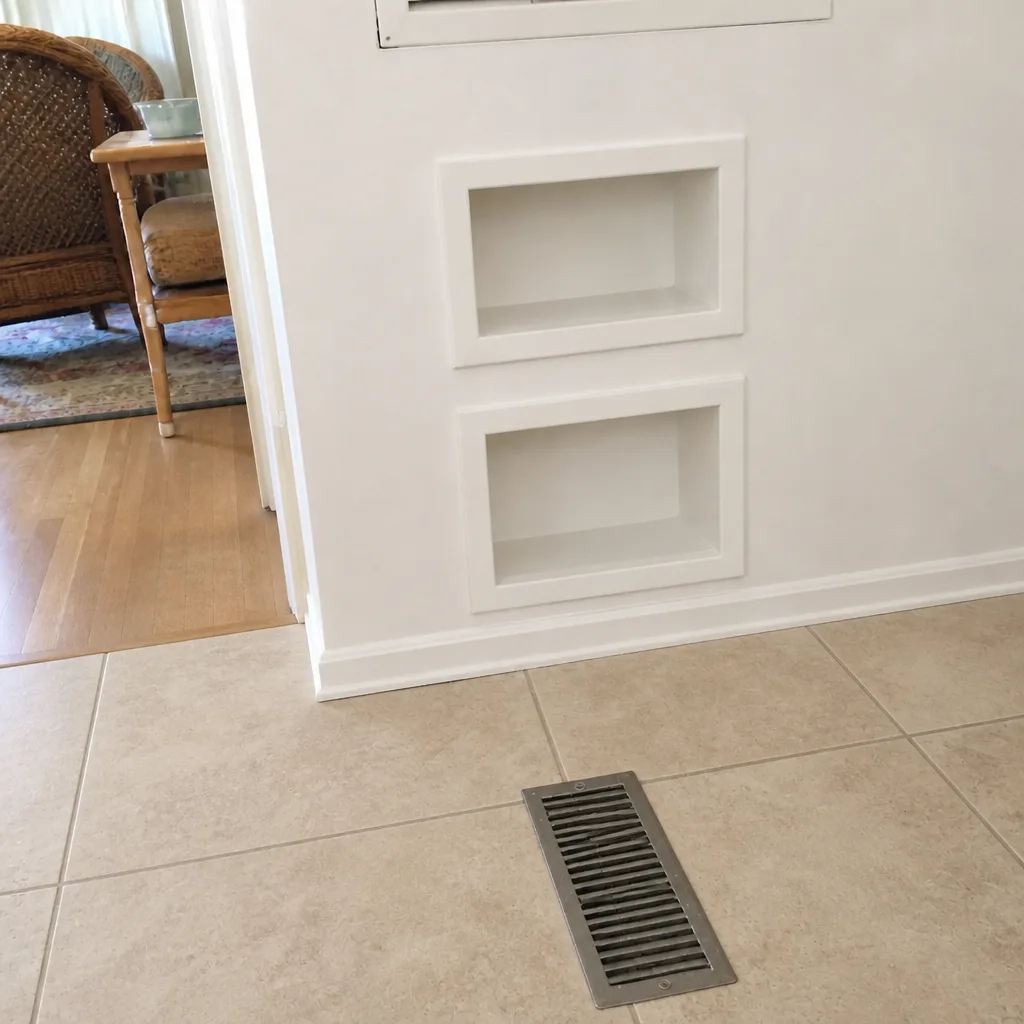 After
When to Call a Professional
Call for professional duct cleaning when you see or smell signs that the system is holding material you can’t reach. Common triggers include visible dust blowing out of supply registers when the system starts, a dust coat that returns to surfaces within days of cleaning, an unexplained uptick in allergy symptoms when the HVAC runs, musty odors from vents, or a home that’s never had the ducts professionally cleaned. In Abilene, we recommend a professional inspection for any home older than thirty years with original ductwork. Duct Cleaning Abilene offers free estimates in Abilene – call (888) 618-8972 to schedule. We answer 24/7. Fast dispatch from 7am to 7pm, Sunday through Friday.
Frequently Asked Questions
Air duct cleaning is priced per system, not per vent, and the final price is set by the written estimate you receive before work starts. Honest quotes cover the whole system – all supply and return runs, the plenum, and register cleanup – and don’t expand once the technician arrives. Call (888) 618-8972 for an exact quote. Estimates are free.
Cheaper quotes are usually for surface cleaning, not source removal. A “clean” that vacuums the registers but doesn’t scrub the interior duct walls or run under negative pressure with HEPA extraction is fast and easy and doesn’t remove the material stuck to the duct. Ask what equipment will be used and whether the system will be under negative pressure. The answer tells you what you’re paying for.
Ask for before-and-after photos of the duct interior – not just of the registers. A technician who has done source removal will have photos of the inside of a supply and a return run. Combined with the visible reduction in dust at the registers and improved airflow after the visit, photos are the most direct proof you can get.
There’s no fixed number. In a dusty environment like Abilene’s, with high-wind days and cotton season, re-accumulation is a genuine concern, but the right interval depends on the home’s dust load, filter quality, and how often the HVAC system runs. Watch for signs – dust blowing from registers, faster filter clogging, musty odors – and call for an inspection when they show up. Call (888) 618-8972 when you’re ready to book.
Cleaning removes what’s inside the ducts. Repair fixes the ducts that can’t hold up to airflow. Signs that repair is needed include weak airflow at some registers, visible sagging in attic flex runs, or gaps around duct boots. Many repair jobs are discovered during cleaning, which is why having one service relationship do both matters. Call (888) 618-8972 to ask about Abilene duct repair and cleaning together.
Duct cleaning removes accumulated dust, caliche particulate, and debris from the duct system – material that would otherwise be redistributed into your living space when the HVAC runs. For homeowners sensitive to airborne dust, this often means less material in the air to react to. It’s not a medical treatment, but for many Abilene households with allergy or asthma concerns, a cleaned system combined with a better filter setup is a meaningful improvement. Call (888) 618-8972 to discuss a free estimate.
The Bottom Line
The core of professional air duct cleaning is source removal: mechanically scrubbing the duct interior under negative pressure and extracting the loosened material with HEPA equipment. Everything else – the grille wipe, the filter change, the brand-name gear – supports that standard. In Abilene, the local factors make this more important than in most cities: caliche dust, cotton season, a dry climate that keeps particles airborne, and housing stock built largely between the 1960s and 1990s. If you’re ready to know what’s inside your ducts, call for a written estimate before you buy anything.
Contact Duct Cleaning Abilene
Our technicians have up to 12 years of experience. We use Rotobrush rotary-brush systems, Nikro HEPA vacuums, and Abatement Technologies filtration during every job, and we work with Honeywell and AprilAire on air quality upgrades after cleaning. We quote per system in writing before work starts, and the final price is set by that written estimate. Call (888) 618-8972 for a free estimate. We answer 24/7. Fast dispatch from 7am to 7pm, Sunday through Friday.
Written by the team at Duct Cleaning Abilene.