
Last updated November 16, 2026
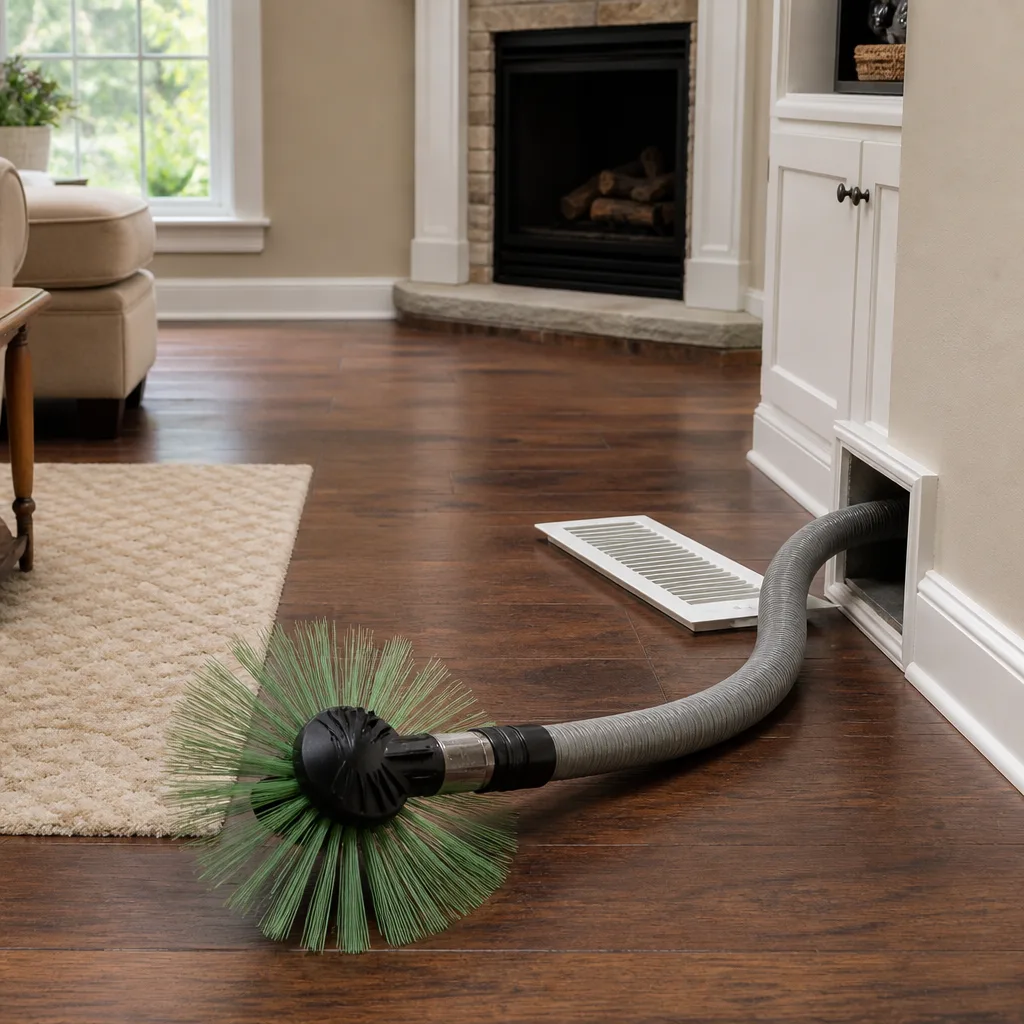 Whole-home duct cleaning
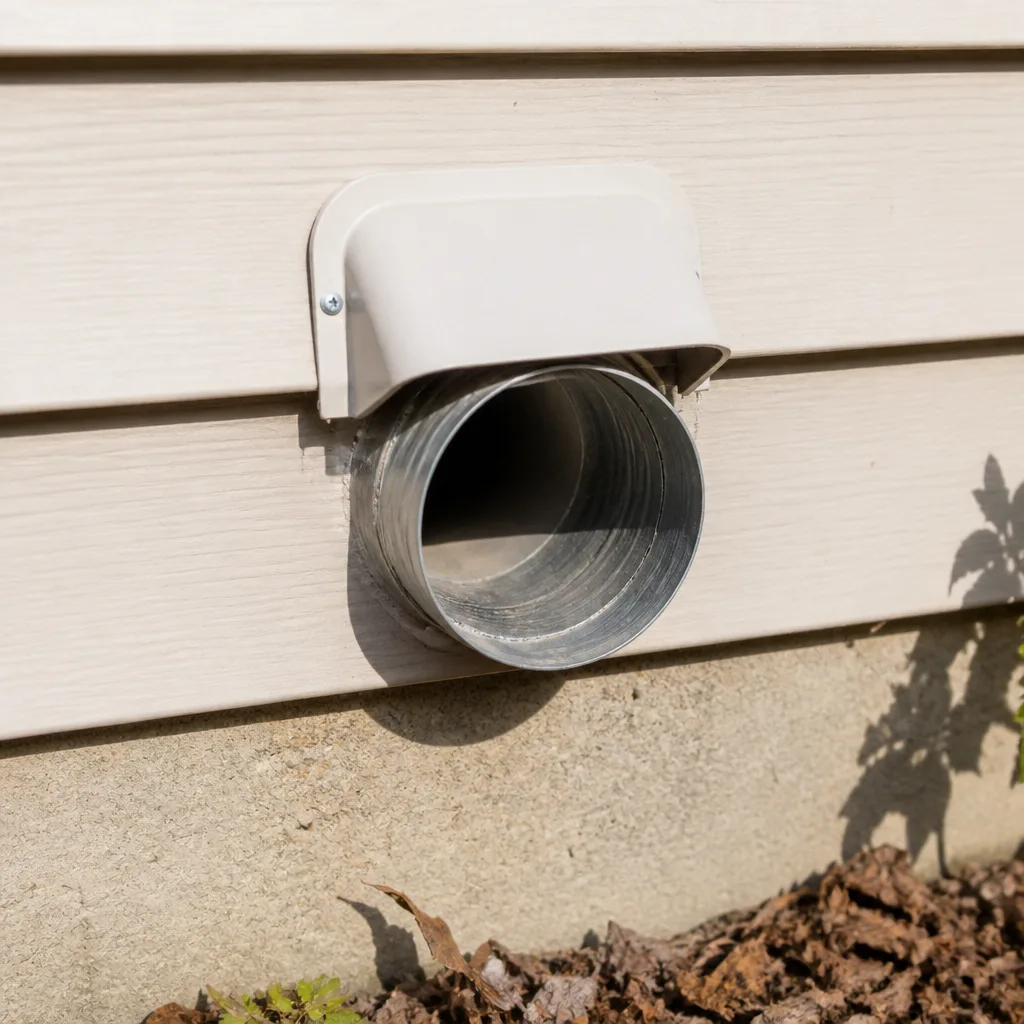 Dryer vent cleaning
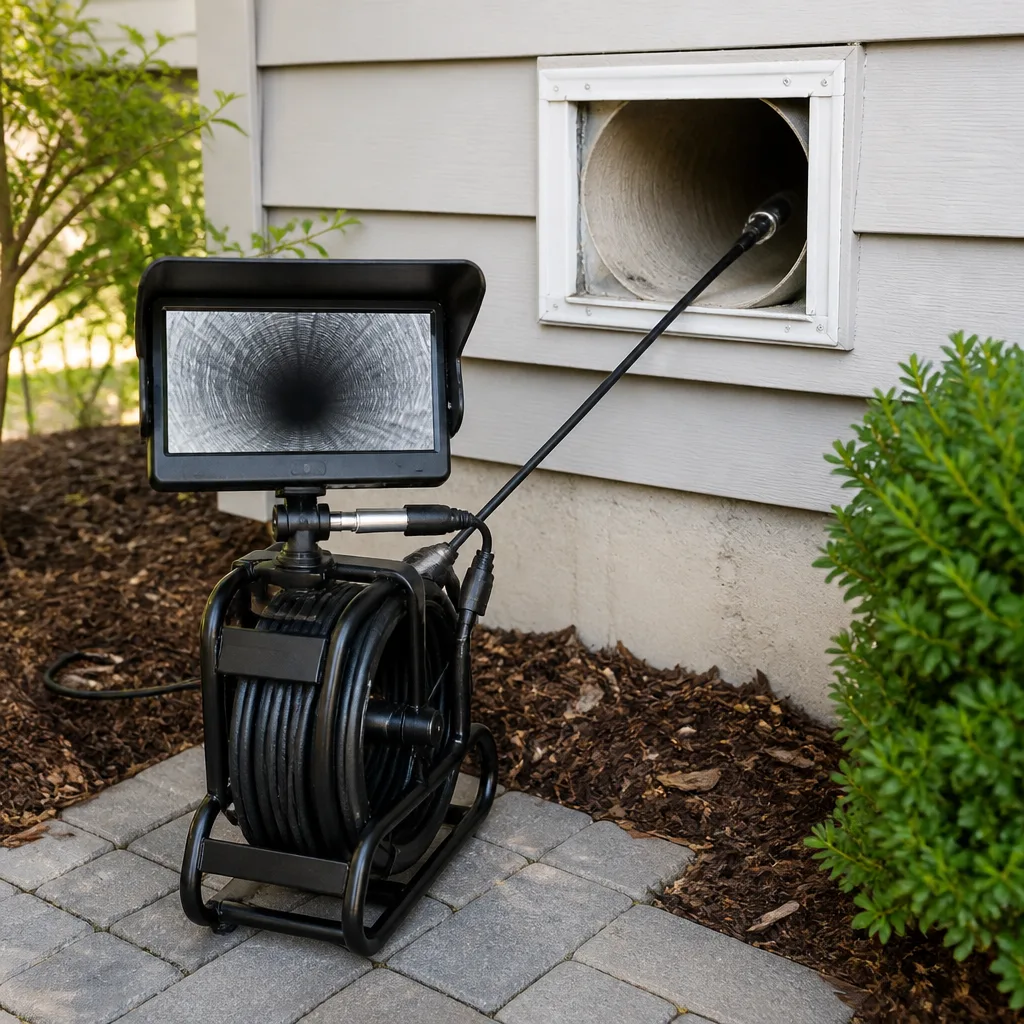 Camera inspection
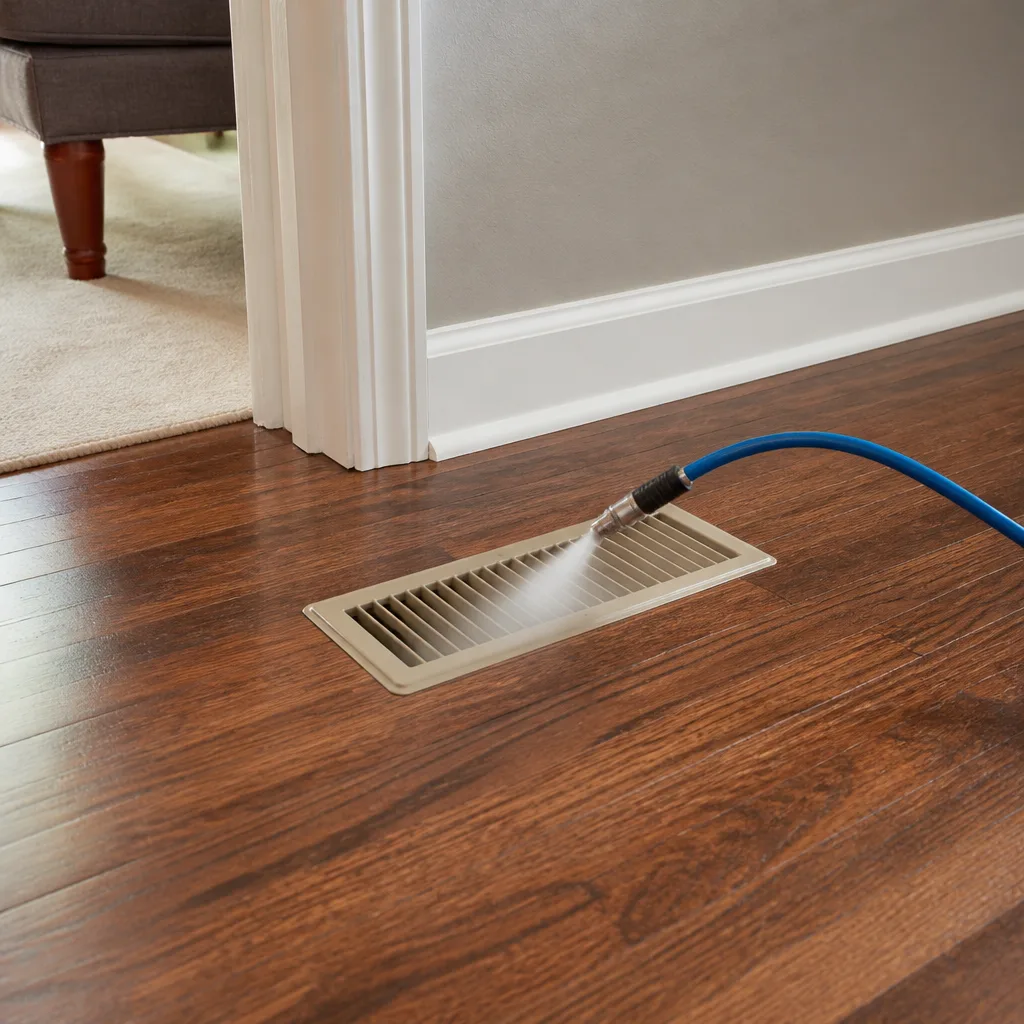 Sanitizing & deodorizing
Whole-system duct and dryer vent check with before-and-after photos - you see exactly what came out of your vents
That "$99 whole-house special" is a bait ad - the real number appears once they are in your hallway, or the "clean" is a shop-vac at the register. We photograph the inside of your ducts before and after instead.
DIY vs Professional Air Duct Cleaning: The Abilene Homeowner’s Decision Guide
A shop vac and a dryer vent brush can clean what’s visible at the register face. What they cannot do is create the negative pressure needed to pull debris out of a 25-foot duct run, and that’s the debris that actually affects your air quality. Most homeowners in Abilene who try to clean their own ducts figure this out somewhere between the first supply vent and the third, when the brush comes back covered in dust but the air still smells faintly of the return grille. This guide explains the physics of why that happens, what you can legitimately do yourself, and where the line sits between useful maintenance and wasted effort. By the end you’ll know exactly which parts of duct care belong in your hands and which belong in a technician’s.
Quick Answer
DIY air duct cleaning is fine for surface-level register and grille cleaning, filter swaps, and dryer vent inspection, but it cannot replicate the negative-air source removal that professional equipment performs. Household vacuums generate a fraction of the static pressure that Rotobrush and Nikro systems produce, so anything beyond the visible register face requires a professional. For most Abilene homes with visible dust buildup, allergies, or an older HVAC system, professional cleaning pays for itself in airflow and air quality long before DIY attempts do.
Styles & brands we work with
- Whole-home duct cleaning
- Dryer vent cleaning
- Camera inspection
- Sanitizing & deodorizing
Table of Contents
- The Physics Behind the DIY Wall: Why Negative Pressure Matters
- What Homeowners Can Legitimately Do Themselves
- When DIY Attempts Make Professional Cleaning Harder
- DIY vs Professional: The Real Cost Comparison
- Using DIY Maintenance Between Professional Cleanings
- Why Abilene Homes Are Different
- Common Mistakes to Avoid
- When to Call a Professional
The Physics Behind the DIY Wall: Why Negative Pressure Matters
Source removal is the only method that actually cleans a duct system. The idea is simple: you agitate debris from the duct walls, then capture it while it’s airborne using a vacuum strong enough to keep the entire system under negative pressure. The system becomes a closed vessel where air is pulled in at one end and out at the other, carrying dust with it. That’s how air duct cleaning works when it’s done right.
The challenge isn’t the brushing. It’s the pressure.
Household vacuums generate what’s called static pressure, measured in inches of water column. A typical shop vac pulls around 50 to 60 inches of water lift at the hose, but that number collapses almost immediately once you attach any length of hose and introduce air leaks through the duct seams. By the time the suction reaches even the second joint in a run, you’re lucky to have the pressure needed to move a feather. Professional negative-air machines designed for source removal operate in a completely different envelope. They use high-volume blowers paired with HEPA filtration rated for containment-grade work, and they hold the entire duct system under negative pressure throughout the job so that nothing escapes into the living space.
Here’s the gap stated plainly:
- Household shop vac: high static pressure at the nozzle, near-zero airflow volume, loses effectiveness the moment it’s connected to a duct run.
- Consumer duct brush kits: agitate debris but have no capture mechanism, so dust goes into the air you breathe.
- Professional Nikro HEPA vacuum: high airflow volume, continuous negative pressure, HEPA filtration that traps particles at the containment level.
- Rotobrush rotary-brush system: uses a spinning brush head attached to a flexible whip that scrubs the duct wall while the vacuum extracts debris at the same time.
That last combination is the one that actually works. Rotobrush scrubs. Nikro extracts. Abatement Technologies air scrubbers run on-site to keep the indoor air clean while the work is happening. The gap between a shop vac and this setup isn’t a matter of degree. It’s a different category of tool.
What Homeowners Can Legitimately Do Themselves
Not all duct care requires a technician. Some tasks belong in your hands, and doing them well actually extends the time between professional cleanings. Here’s what we’d tell a homeowner in Abilene to tackle on their own:
- Clean the register and grille faces. Remove the faceplate from each supply and return register. Wipe it down with a damp cloth and mild detergent. Vacuum the visible opening with a brush attachment. This is the single most useful DIY task because the register face is what you see most and what collects the most visible dust.
- Replace filters on schedule. Check your filter at the indoor air handler every month for the first year of home ownership, then adjust based on how dirty it gets. A 1-inch filter may need changing every 30 to 60 days; a 4-inch media filter can go much longer. Filter condition has more influence on indoor air quality than most other factors you can control.
- Inspect the dryer vent. Pull the dryer away from the wall and check the exhaust duct behind it. If you see visible lint accumulation in the flexible section, that’s a sign the whole run needs attention. According to the U.S. Fire Administration, dryer vents are responsible for thousands of residential fires annually, so this is a safety check, not a cosmetic one.
- Check for obvious leaks at joints. Where flex duct connects to the metal trunk line, look for detached collars, loose tape, or visible gaps. You can seal small gaps with mastic or UL-listed foil tape, but if the damage is significant, that’s a duct repair conversation, not a tape conversation.
- Keep returns unblocked. Furniture, rugs and boxes sitting in front of return grilles cut airflow to the whole system. A few inches of clearance on every return makes a measurable difference to how the HVAC performs.
What all these tasks have in common: they happen at the accessible surface and require no special equipment. They’re the chores that prevent the deposits that eventually make professional cleaning necessary on a shorter cycle. If you want more detail on routine upkeep, our breakdown of Duct Cleaning Abilene services covers what a maintenance-focused approach looks like.
When DIY Attempts Make Professional Cleaning Harder
There’s a specific kind of problem we see in Abilene homes where a homeowner tried a DIY cleaning and made the situation worse. It usually falls into one of two categories.
Compacted debris dislodged but not captured. When you push a consumer brush into a duct run, the brush dislodges loose dust from the walls. If the vacuum behind it can’t capture that dust, the debris gets pushed farther down the run and then settles into a denser layer when it loses momentum. A professional cleaning can remove it, but the technician has to break up the compacted layer first, which takes more time and more passes with the rotary brush. The work isn’t impossible. It’s just slower.
Damaged flex duct from improper brush use. Flex duct is a spiral-wire core wrapped in a mylar liner and insulation. It tears easily when a rigid brush hits an obstruction at speed or when the brush is too large for the duct diameter. A torn liner compromises the R-value of the duct and creates a pathway for air to leak into unconditioned space instead of reaching the room. That’s a duct repair problem that didn’t exist before the DIY attempt.
Here’s the honest framing on cost: if you attempt DIY and it doesn’t work, you don’t end up paying a professional to clean a duct system. You end up paying a professional to repair a damaged one and then clean it. Every DIY failure adds a step. The economics rarely favor trying.
DIY vs Professional: The Real Cost Comparison
Homeowners in Abilene ask us this constantly. The honest answer is that the comparison isn’t only about the invoice. It’s about what you get for what you spend.
- DIY cost: Shop vac, brush kit, filters, some hours on a weekend. No capture of airborne debris, no verification, no way to know whether the deeper run is actually clean.
- Professional cost: One flat price per system, established by a written estimate before work starts. The full system gets agitated and extracted under negative pressure, and the technician can inspect and fix what they find.
- DIY attempt that goes wrong: The professional cost, plus duct repair, plus the risk of the duct run having a torn liner that leaks air and wastes energy every hour the HVAC is running.
The reason professional duct cleaning is priced per system, not per vent, is that the price reflects the scope of the job, not the number of openings. A house with fifteen registers and a long trunk line involves more work than a house with eight, but per-vent pricing is a bad way to estimate duct work because it doesn’t account for run lengths, duct conditions, or how many connections need attention. A written estimate tied to the actual system is a fairer number for the homeowner and a more accurate scope for the technician.
We don’t quote per-vent prices, and we don’t quote teaser figures, because the two figures that matter are the written estimate and the final invoice. They should match.
Using DIY Maintenance Between Professional Cleanings
The right relationship between DIY effort and professional cleaning is complementary, not competing. Think of it this way: professional cleaning resets the system to a clean baseline, and DIY maintenance slows the rate at which the baseline degrades. Both sides do their job.
An effective homeowner maintenance routine between professional cleanings looks like this:
- Change filters on a strict schedule. Note the date on the filter with a marker when you install it. Don’t trust your memory.
- Vacuum register faces every couple of months. A two-minute pass with a brush attachment keeps visible dust from caking onto grilles.
- Inspect the dryer vent after each full load cycle. If lint is accumulating faster than normal, or drying times have crept up, the vent run may need professional attention.
- Check return grilles for blockage. Furniture gets rearranged, kids put things in odd places. A quick visual check catches most airflow problems.
- Watch for new dust patterns. If you notice a fresh dust line along a baseboard or ceiling near a register, airflow path has changed. That’s a signal to schedule an inspection, not to attempt another DIY cleaning.
Between professional cleanings, the cadence depends on your home. Homes with pets, homes near active construction, and homes where someone has allergies typically benefit from a shorter interval. Homes with a newer HVAC system and no pets often go longer. The right interval is something we talk through in the estimate, based on what we actually see in the ducts.
Why Abilene Homes Are Different
Duct cleaning in Abilene runs into a particular set of conditions that push the professional vs DIY question toward professional more often than in other markets. West Texas sits in a semi-arid climate with a long cooling season. HVAC systems here run more hours per year than they would in cooler climates, which means more air cycles through the ductwork and more debris accumulates faster. That makes register cleaning more important, not less, but it also compacts the deeper deposits more quickly.
The local housing stock matters too. Abilene has a wide range of home ages, from newer builds in the south and southwest parts of town to older homes near the central corridors. Older homes often have duct systems that were retrofitted rather than designed for the current HVAC unit, which means flex duct connections that were original to a different system, sometimes with flexible runs that have sagged or kinked over the years. Those runs trap debris in ways that rigid metal duct doesn’t, and a consumer brush has almost no chance of reaching the low spots because it can’t follow the drop.
Local dust conditions are also distinct. West Texas wind carries fine particulates, and homes near open land or active construction in any part of Abilene see dust load inside the duct system that a shop vac simply wasn’t built to capture at volume. The dust in Abilene ducts is often finer than in wetter climates, which means it stays airborne longer when it’s dislodged. That’s exactly the condition where negative-air equipment with HEPA containment earns its keep.
Local contractors who treat duct cleaning as a line item in a general HVAC service are less equipped for these conditions than a focused specialist. Abilene homeowners we work with tend to get better results from a specialist who brings Rotobrush and Nikro equipment to the job rather than a generalist who shows up with a shop vac and a hose.
Common Mistakes to Avoid
- Using a shop vac on the main supply trunk. The typical shop vac can’t generate the airflow volume needed to move debris through a long run, so the dust gets agitated and then settles back where it started. The result is a mess you can’t see and a dusty house for a few days afterward.
- Running a consumer brush kit through flex duct. Flex duct tears easily and the wire core can bend inside the liner. A torn liner means air leaks into the attic or crawl space, and that’s an energy loss that persists long after the cleaning.
- Skipping the dryer vent because it’s “not really a duct.” The dryer vent is one of the most important duct paths in the house, and it’s the one most likely to accumulate lint. According to the U.S. Fire Administration, dryer vent fires account for thousands of residential fires annually. This is not a vent to skip.
- Cleaning registers but not returns. Returns carry as much dust as supplies and often more, because they’re the intake side of the system. Cleaning one side only does half the job.
- Assuming a big box store brush kit gives the same result as a professional cleaning. It doesn’t, and using one badly can worsen the outcome. If the ducts need professional attention, spend the money on the real thing rather than a mid-priced compromise.
- Ignoring the air handler during DIY cleaning. The evaporator coil and blower wheel collect debris just like the duct runs. Running a DIY cleaning on the ducts without addressing the air handler leaves a source of contamination in place.
- Not asking what equipment a company uses. A duct cleaning company that can’t name its equipment is telling you something. Ask about the extractor, the rotary brush system, and the containment setup before you book.
When to Call a Professional
Specific scenarios where professional cleaning beats DIY every time: visible dust blowing from registers when the HVAC kicks on, a recent renovation that produced drywall dust, a new home purchase where the previous owner’s maintenance habits are unknown, allergy or asthma symptoms that improve when you leave the house, a dryer that takes noticeably longer to dry loads, or an HVAC system that’s over ten years old and has never had the ducts cleaned. Each of these points to deposits beyond the register face.
Duct Cleaning Abilene offers free estimates in Abilene. Call (888) 618-8972. We answer 24/7. Fast dispatch from 7am to 7pm, Sunday through Friday. Our technicians have up to 12 years of experience, work with Honeywell and Aprilaire air quality products, and deploy Abatement Technologies air scrubbers on every job. If a duct run needs repair, we handle that as part of the same service relationship, which means you don’t need to source a separate contractor.
Frequently Asked Questions
No, a shop vac can’t clean a duct system effectively beyond the visible register face. It lacks the airflow volume and sustained negative pressure needed to capture debris from a long duct run. It agitates dust without extracting it, which can leave the system dirtier in the short term than it was before. Call (888) 618-8972 for a free estimate if your ducts need real attention.
Professional air duct cleaning in Abilene is priced per system, and the written estimate sets the final price before any work starts. We don’t quote per-vent prices or teaser figures. Call (888) 618-8972 for a free estimate that reflects your actual system.
Yes, for surface-level tasks like register cleaning, filter replacement, and dryer vent inspection. Those jobs carry real value and extend the time between professional cleanings. Anything beyond the register face is where DIY stops working. Call (888) 618-8972 if you’re not sure which category your ducts fall into.
The right interval depends on the home, but many Abilene homes benefit from professional cleaning every few years, with shorter intervals for homes with pets, allergies, or recent renovations. Homes near active construction sometimes need attention sooner. Call (888) 618-8972 to talk through a realistic schedule for your house.
It can. Consumer brushes can tear the liner on flex duct, and the resulting air leak isn’t always obvious until the HVAC system starts performing poorly. If you’ve already attempted a DIY cleaning and notice new dust patterns or a whistling sound at a register, that’s a sign to have the ducts inspected. Call (888) 618-8972 for a free estimate.
Dryer vent cleaning is worth taking seriously because the fire hazard is real. According to the U.S. Fire Administration, thousands of residential fires each year are tied to dryer vents clogged with lint. Our dryer vent cleaning service handles the full run, not just the visible section behind the appliance. Call (888) 618-8972 for a free estimate.
The Bottom Line
DIY duct cleaning has a legitimate role, and it’s a smaller role than most homeowners assume. Register cleaning, filter discipline, and dryer vent inspection all belong in your hands. The physics of negative pressure mean that everything beyond the register face requires professional equipment, and a torn flex liner or compacted debris from a DIY attempt can turn a simple cleaning into a duct repair job. In Abilene, the long cooling season and local dust conditions make professional cleaning pay off sooner than in many other markets. If your ducts are due, call (888) 618-8972 for a free estimate.
Written by the team at Duct Cleaning Abilene.
See the difference
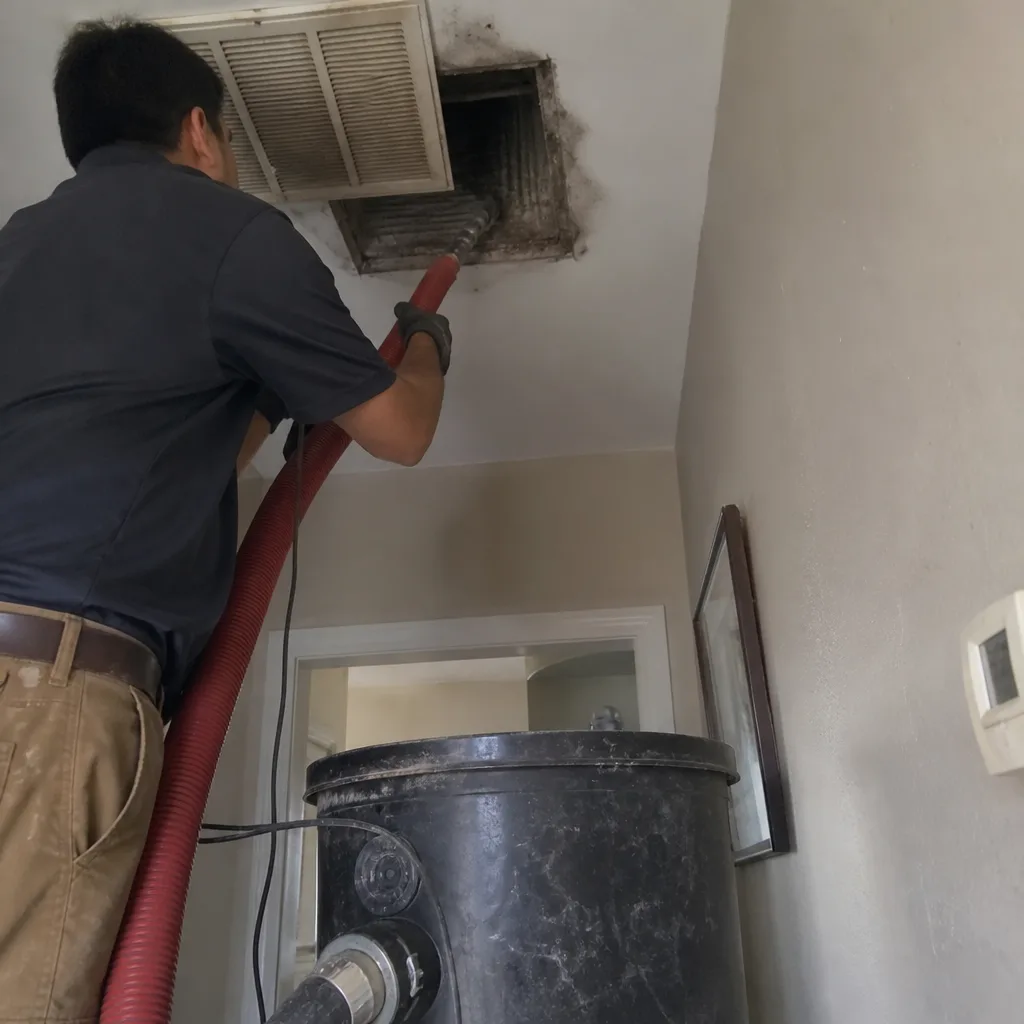 Before
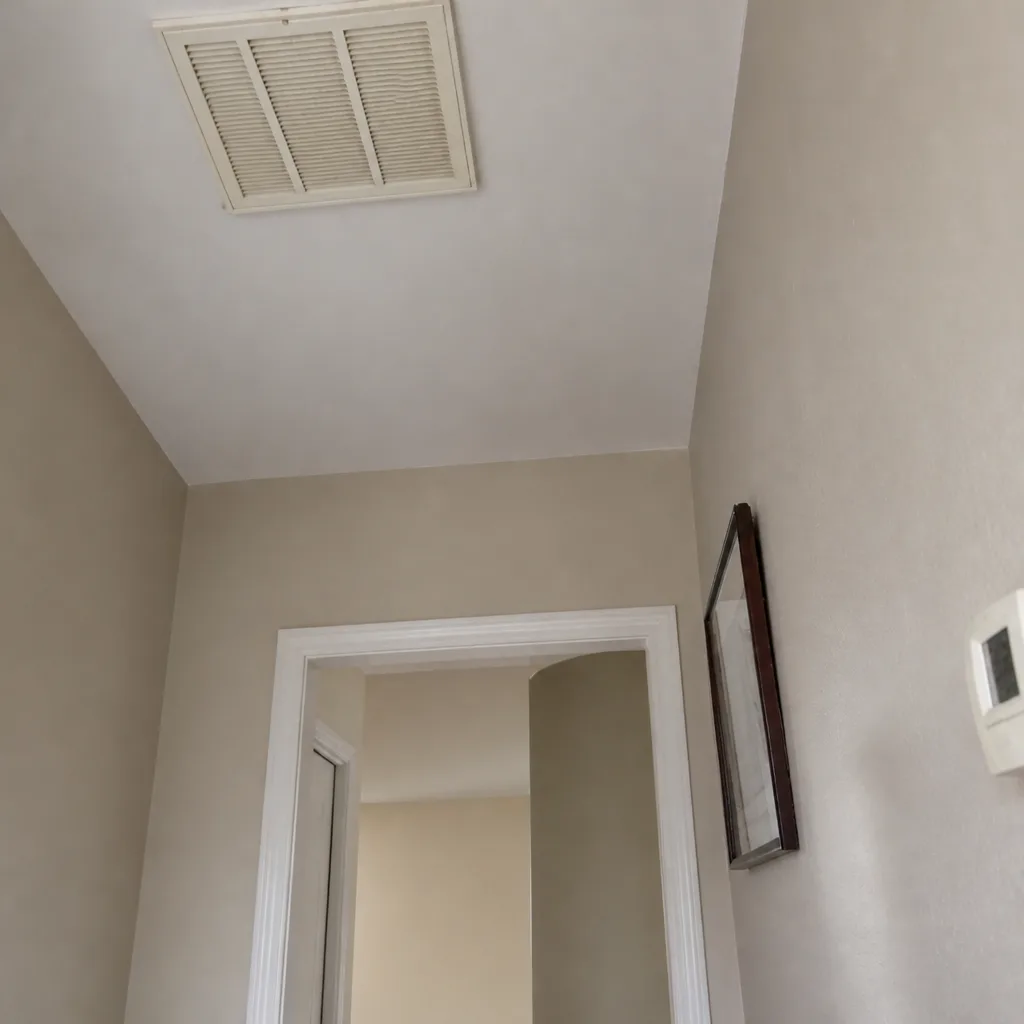 After
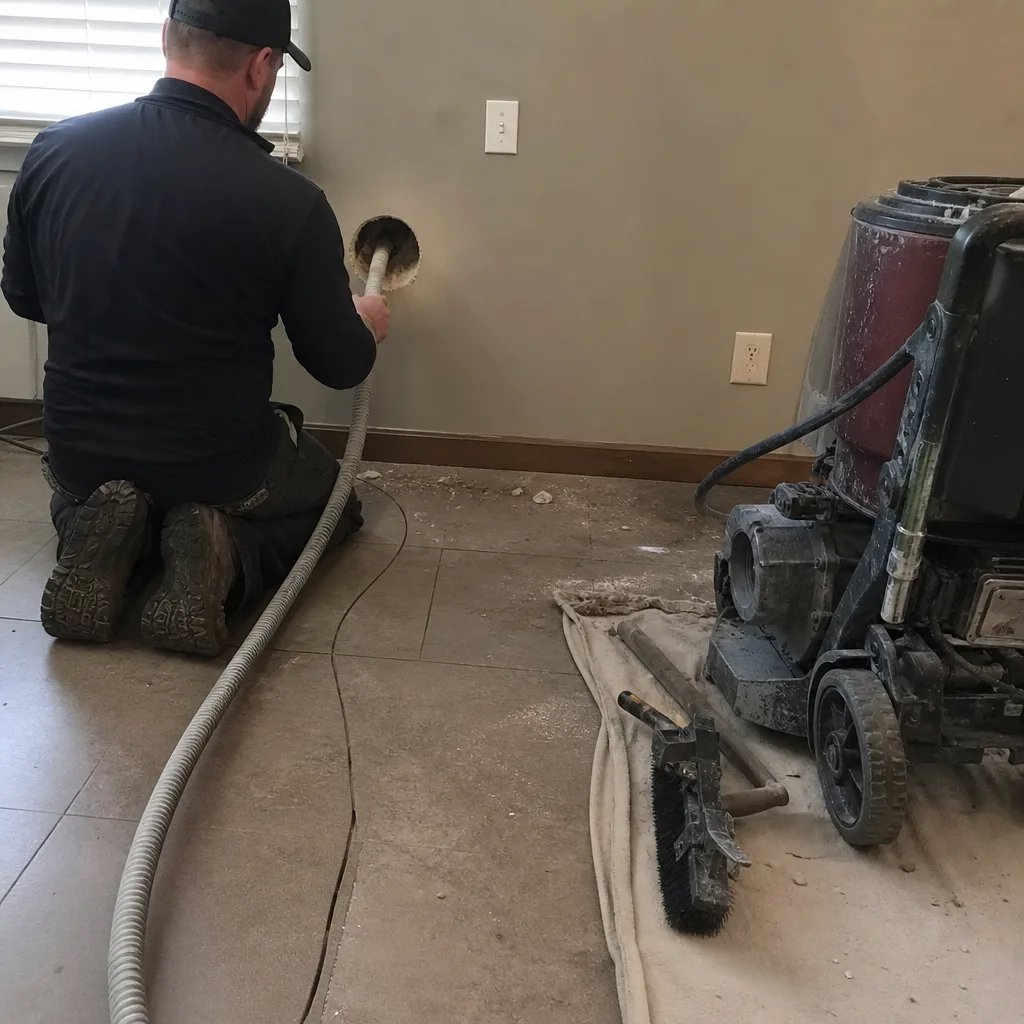 Before
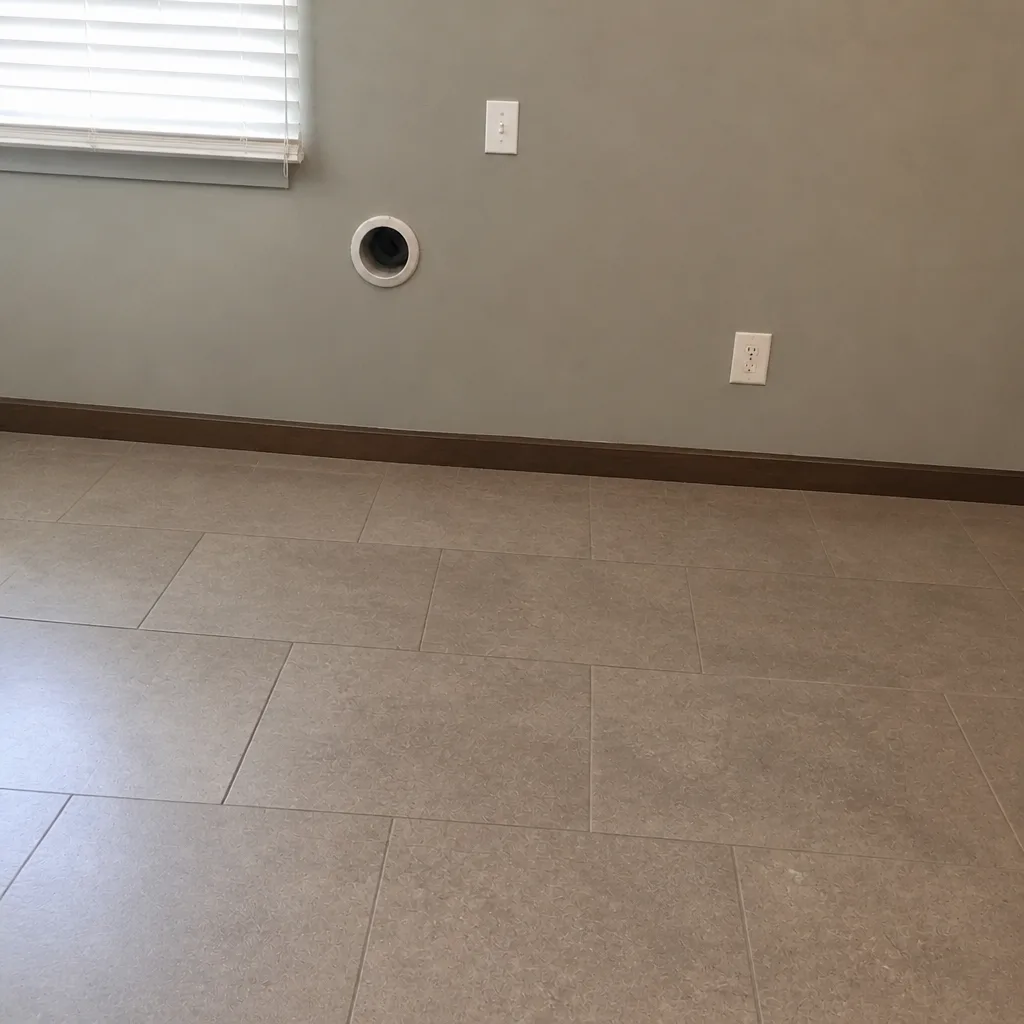 After
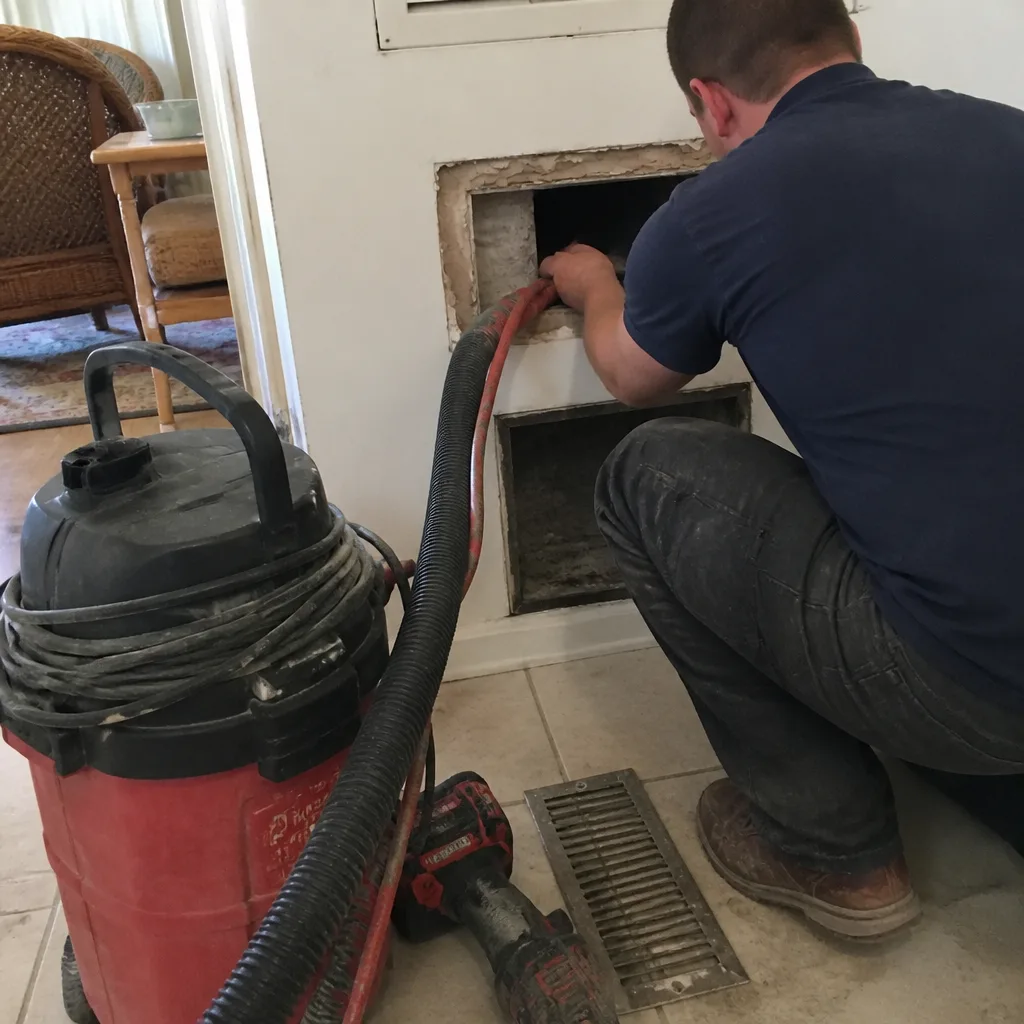 Before
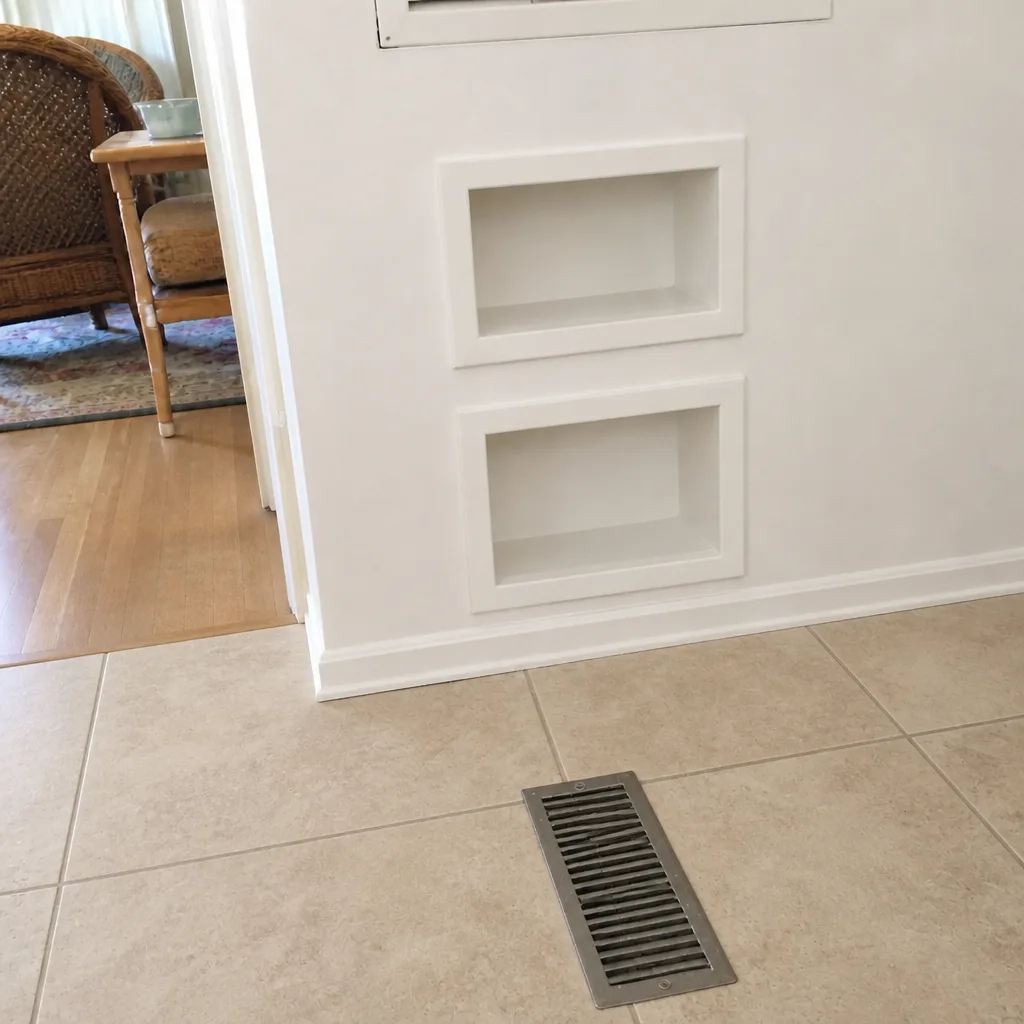 After