
Last updated November 16, 2026
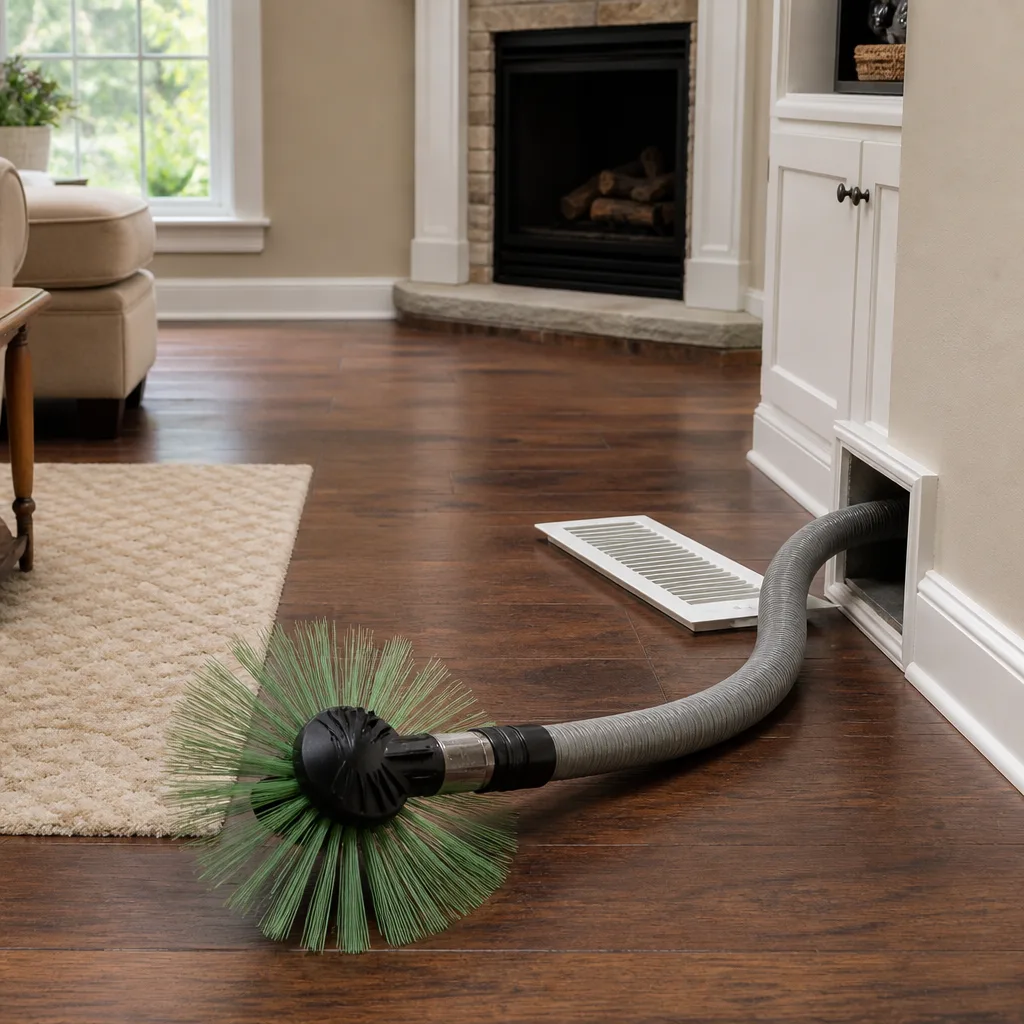 Whole-home duct cleaning
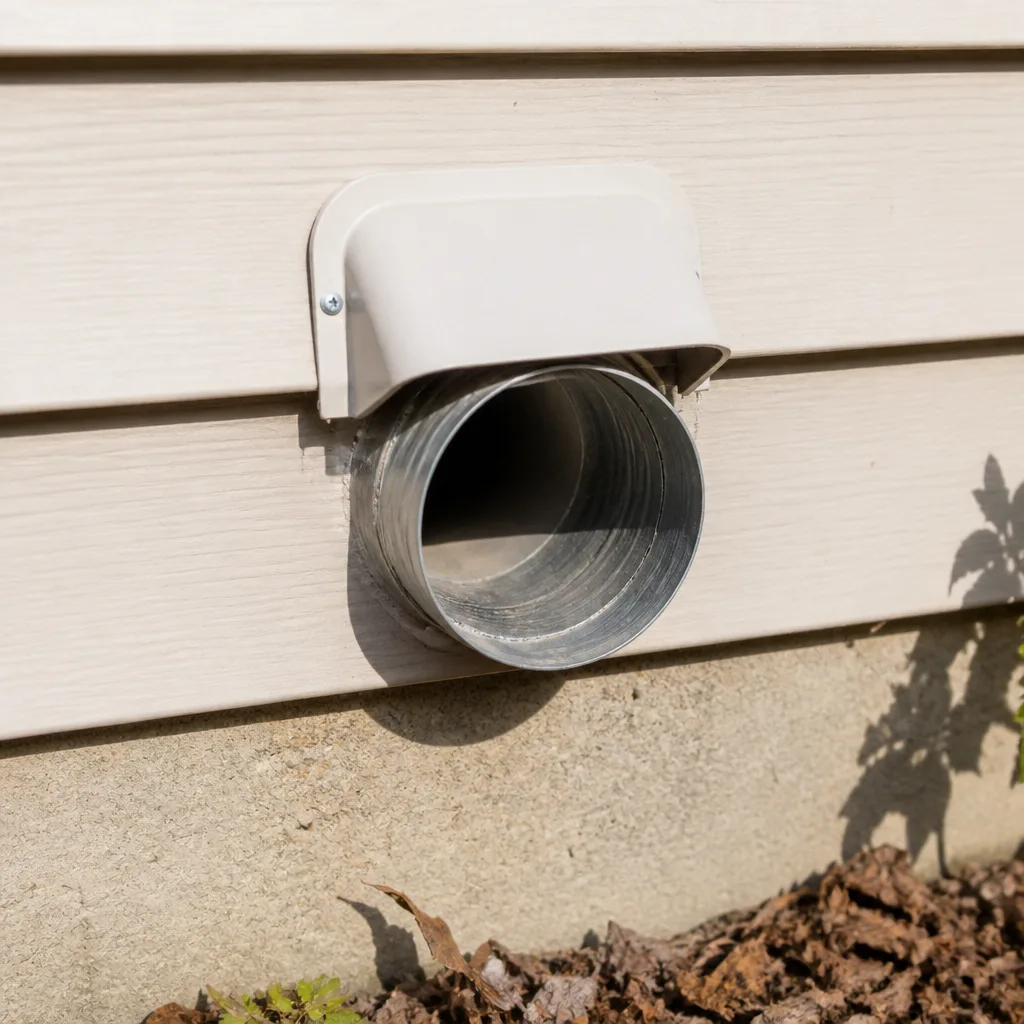 Dryer vent cleaning
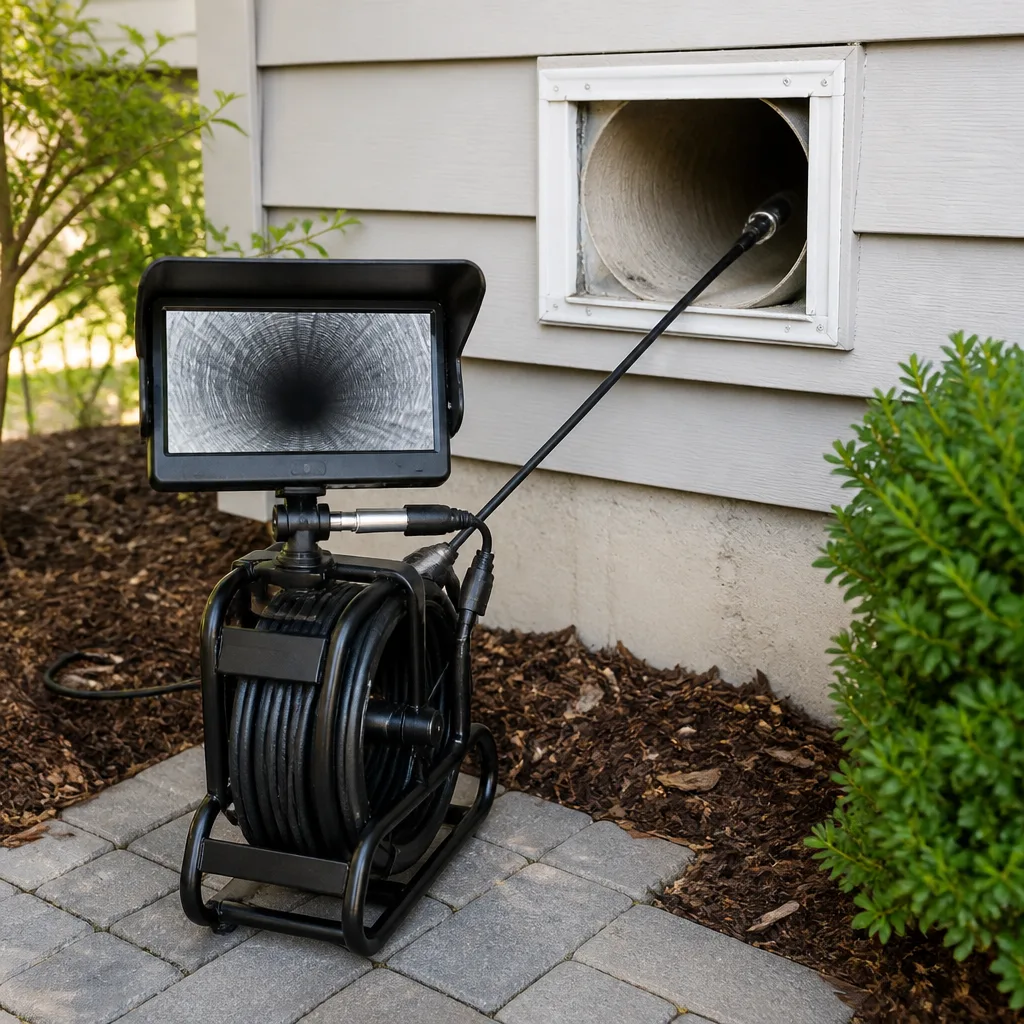 Camera inspection
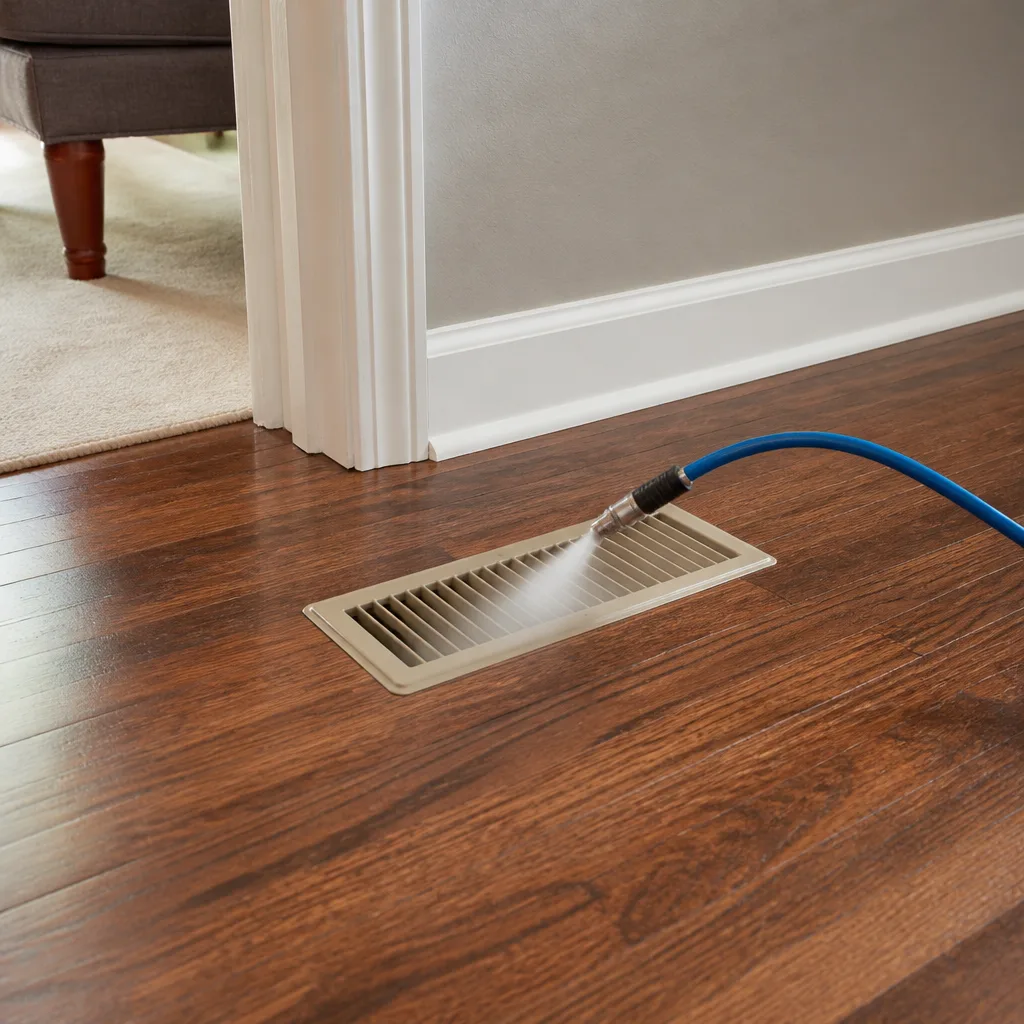 Sanitizing & deodorizing
Whole-system duct and dryer vent check with before-and-after photos - you see exactly what came out of your vents
That "$99 whole-house special" is a bait ad - the real number appears once they are in your hallway, or the "clean" is a shop-vac at the register. We photograph the inside of your ducts before and after instead.
Air Duct Cleaning Troubleshooting in Abilene: Common Problems and How to Fix Them
If a duct cleaning didn’t fix your airflow problem, the cleaning probably wasn’t the issue. The diagnosis was. Most duct complaints we hear about in Abilene trace back to one of four root causes, and only one of them is actually dirty ductwork. The other three are design problems, sealing problems, or mechanical problems with the air handler itself, and no amount of brushing and vacuuming will move the needle on any of them. This guide teaches you to read your system’s symptoms the way a technician does, before you spend money on a cleaning that won’t solve what’s actually wrong.
Quick Answer
In Abilene, most “duct cleaning didn’t work” complaints come down to a mismatch between the symptom and the fix. Weak airflow in one room is usually a duct design or leakage problem, not a cleanliness problem. Persistent dust after a cleaning usually means the supply registers, return grille, or filter housing weren’t addressed. And a musty smell that returns within weeks points to moisture or microbial growth somewhere in the system, not surface dust. A proper diagnosis before cleaning is what separates a job that solves the complaint from one that just moves debris around.
Styles & brands we work with
- Whole-home duct cleaning
- Dryer vent cleaning
- Camera inspection
- Sanitizing & deodorizing
Table of Contents
- How to Map Your Symptom to the Right Fix
- Dirty Ducts vs. Duct Design: How to Tell Them Apart
- What Your Symptoms Actually Mean
- Checking Static Pressure Signs Without Equipment
- Why West Texas Dust Changes the Timeline in Abilene
- Rotobrush Re-Access vs. an HVAC Mechanical Issue
- How to Know if You Paid for the Wrong Fix
- When to Call a Professional
How to Map Your Symptom to the Right Fix
Every duct complaint is a symptom, and every symptom points to a short list of causes. Before you call anyone, write down what you’re actually experiencing and when. The answers narrow the field fast. If the problem is only in one room, you’re looking at a branch-level issue: a crushed flex run, a disconnected boot, a damper stuck closed, or a register that’s undersized for the room. If it’s the whole house, you’re looking at the air handler, the main trunk, or the filter.
Here’s how a technician sorts it in the first ten minutes of a diagnostic walk-through:
- Isolate the zone. Close every supply register in the house, then open one at a time and feel the airflow at each. Rooms with noticeably weaker flow than others identify the problem branches.
- Check the return path. A single central return serving a whole house in a hot climate creates a pressure imbalance. Feel the pull at the return grille with the system running. If it’s weak, the return is undersized or the filter is loaded.
- Look at the filter. A filter that’s loaded in under a month is telling you something. Either the filter is the wrong MERV rating for the blower, or debris is being pulled from a dirty return duct and packing the filter.
- Smell the air at each register. A musty or sour smell at one register points to that branch. A smell at every register points to the air handler or evaporator coil.
- Look at the register faces. Dust settling on the louvers within a week of cleaning suggests the supply boot or the duct lining is still shedding, which means either the cleaning wasn’t thorough or the duct has deteriorated.
This is the diagnostic thinking we bring to every job before the first piece of equipment comes off the truck. Rotobrush scrubs and Nikro extracts, but neither can fix a crushed flex run or an undersized return. Knowing which problem you have is the whole game.
Dirty Ducts vs. Duct Design: How to Tell Them Apart
The single most useful distinction in duct troubleshooting is between a cleanliness problem and a design or sealing problem. Dirty ducts reduce air quality and, if the buildup is heavy enough, restrict flow. Design problems restrict flow and misdirect it, but the ducts can be spotless. The two produce overlapping symptoms, which is why so many cleanings miss.
Here’s the practical test. A cleanliness problem usually affects the whole house fairly evenly. Dust on the register faces is roughly uniform. Airflow at each register is similar. The filter loads at a steady rate. A design or sealing problem is usually asymmetric. One room is always hotter. One register blows noticeably weaker. The return pulls hard in one spot and barely at all in another.
- Suspect cleanliness when dust appears on register faces and inside vents, when the filter loads faster than usual across the whole house, or when the previous owner never had the system cleaned.
- Suspect design or sealing when one or two rooms are consistently uncomfortable, when the system has been added onto or reconfigured, when flex duct is kinked or crushed in the attic, or when the return is a single undersized grille.
- Suspect both in older Abilene homes that have had additions or equipment swaps. Those systems often need cleaning and repair, which is why we offer air duct repair in Abilene alongside cleaning.
If a technician arrives, cleans, and the room is still hot, the cleaning wasn’t necessarily bad. The diagnosis was incomplete. Ask for a branch-by-branch airflow assessment before the cleaning starts, and you’ll know within minutes which problem you’re paying to solve.
What Your Symptoms Actually Mean
Symptoms are the most honest diagnostic tool a homeowner has. The trick is reading them accurately. Here’s how the common ones translate.
Dusty registers within days of cleaning
This usually means three things, in order of likelihood: the cleaning address didn’t include the register faces and boots, the returns weren’t cleaned and are blowing dust back into the supply trunk, or the air handler is pulling from a return that’s open to the attic. In West Texas, fine particulate settles fast, so a light film in a week is normal. A visibly gray, thick dust within three days is not, and it points to something above.
Hot and cold rooms that don’t match
Uneven temperatures across rooms are almost never a cleanliness issue. They’re a balancing issue, a duct leakage issue, or a design issue. Dust doesn’t route air unevenly; ducts do. If the hot room is at the end of the longest run, you’re looking at pressure loss along that branch. If the hot room is upstairs, you’re looking at a return path problem.
Musty smell that comes back after cleaning
A smell that returns within a few weeks of cleaning is moisture, not dust. The most common locations in Abilene are the evaporator coil, the condensate pan, and insulated duct lining that stayed wet after a previous moisture event. Cleaning the ducts removes the surface debris, but if the moisture source is still active, the smell returns. Ask for the coil and pan to be inspected as part of the service.
Airflow that’s fine in winter, weak in summer
Seasonal airflow changes point to the air handler, not the ducts. In cooling season, the evaporator coil is wet and the blower is working against more resistance. A slightly undersized return or a coil that’s getting dirty will behave fine in heating season and struggle in cooling season. That’s an HVAC diagnostic, not a duct cleaning job.
Checking Static Pressure Signs Without Equipment
Static pressure is the resistance air meets pushing through the ducts. High static pressure is the underlying cause of more duct complaints than dirty ducts themselves, and you can read the signs without a manometer.
- Compare register airflow by hand. With the system running and the filter fresh, hold your hand at each supply register for five seconds. Note the push. Registers with a noticeably weaker push than others are on branch runs with elevated resistance.
- Watch the filter loading rate. Install a fresh filter and check it every two weeks. A filter that’s visibly gray at two weeks means the return is pulling debris from somewhere it shouldn’t, or the filter is too restrictive for the blower.
- Feel the return grille pull. A return that barely pulls is undersized for the system, or the return duct is restricted. A return that screams is either oversized or the system is starved elsewhere.
- Listen at the plenum. A whistling or rushing sound near the air handler suggests the blower is working against high resistance.
- Check the filter MERV rating. A high-MERV filter in a system not designed for it raises static pressure across the whole system. Most residential systems do best with a mid-range filter changed often rather than a heavy filter left in too long.
None of this replaces a proper static pressure reading with a manometer, but it gets you to a hypothesis before a technician arrives. Where the reading points to a duct-level restriction, cleaning and repair often fix it. Where it points to a blower or coil issue, you’re looking at the HVAC side of the system, which is outside our scope.
Why West Texas Dust Changes the Timeline in Abilene
Duct problems in Abilene don’t behave the same way they do in Houston or Corpus Christi. The dust here is different, and the difference matters. West Texas dust is dominated by fine caliche particulate, a powdery mineral dust that behaves more like talc than like the fibrous dust you’d find in a humid-climate home. That changes how the system clogs, how fast it clogs, and what a realistic cleaning interval looks like.
Three practical differences:
- Caliche settles fast. Fine mineral particulate stays airborne briefly and then drops. It settles on horizontal surfaces inside ducts, on register faces, and on the evaporator coil. That means the visible dust inside a return trunk in Abilene tends to be a layer rather than a fuzz, and a surface wipe doesn’t move it; physical agitation does.
- Coil fouling is more common. Mineral dust bonds to the wet evaporator coil and insulates it. A fouled coil drops the system’s efficiency quietly, and it also raises static pressure, which produces the “weak airflow” complaint. Cleaning without addressing the coil leaves the complaint in place.
- Dry climate means less microbial growth, but more particulate load. You won’t see the mold problems common in coastal homes, but you’ll see more volume and faster return of ordinary dust. Abilene homeowners who live near open lots, new construction, or unpaved areas often notice register dust reappearing faster than the timeline a coastal installer would quote.
For most Abilene homes, the realistic interval between cleanings depends on how much caliche dust is being pulled in, not on a calendar. Homes near recent construction or open ground need shorter intervals than homes in established neighborhoods with mature trees. Watching the filter loading rate tells you more than any general guideline. The exact intervals you’ll want for air duct cleaning in Abilene depend on your home’s exposure, which is why we assess it at the estimate.
Rotobrush Re-Access vs. an HVAC Mechanical Issue
One of the more useful distinctions a homeowner can learn is between a duct problem that calls for a re-access with professional equipment and a problem that belongs to the HVAC mechanical side. Getting this wrong sends money in the wrong direction.
A duct-side re-access is warranted when:
- Register dust returns within days of a cleaning, and the returns were skipped or lightly addressed.
- Heavy buildup is visible in the main trunk or a long branch that a standard cleaning reached but didn’t fully clear.
- Duct lining, mastic, or flex duct has degraded and is shedding material into the airstream.
- A branch was disconnected or crushed during a remodel and needs repair, not cleaning, to restore flow.
An HVAC mechanical issue is more likely when:
- Airflow is weak across every register regardless of duct condition.
- The blower runs loud and the system never seems to satisfy the thermostat.
- The coil is fouled and the system is short-cycling.
- Refrigerant or control issues are producing the symptoms, not air quality.
When we re-access a duct with Rotobrush rotary brushing and Nikro HEPA extraction, we also deploy Abatement Technologies air filtration to contain the dust we’re liberating. That matters in Abilene homes where fine caliche dust is easy to stir up and slow to settle. If the re-access reveals a mechanical problem, we tell you plainly and point you to an HVAC technician rather than sell a service that won’t fix it. Knowing what we can fix and what we can’t is what keeps the work honest.
How to Know if You Paid for the Wrong Fix
Most homeowners who call us after a disappointing cleaning have one thing in common: they were sold a cleaning on a symptom that cleaning doesn’t solve. Here’s how to tell if you’re in that position, and what to do next.
- The symptom never changed. If the airflow was weak before and it’s weak after, the cleaning didn’t address the cause. That’s a design, sealing, or equipment problem.
- The symptom changed and then came back within weeks. That’s a moisture or return-side problem that a surface cleaning can’t solve alone.
- You never saw before-and-after photos of your own ducts. Professional-grade work produces evidence. If you weren’t shown what the ducts looked like before and after, you can’t confirm what was done.
- The technician didn’t assess the returns, registers, or coil. A proper cleaning covers the whole air pathway, not just the visible supply runs.
- You weren’t given a flat price before work started. One flat price per system, agreed in advance, is how the work should be priced. Per-vent pricing invites upcharges on the day.
The good news is that a second visit with a proper diagnosis frequently gets to the bottom of the problem. Cleaning and repair can be done in the same service relationship, which is why we offer Abilene homeowners both. You don’t have to source a separate contractor to fix what the first visit missed.
Common Mistakes to Avoid
- Buying a cleaning before a diagnosis. Cleaning a system that has a crushed return or a disconnected branch wastes money; the symptom returns because the cause was never addressed.
- Skipping the return side. In Abilene’s dry, dusty climate, the return trunk pulls more mineral particulate than the supply runs. A cleaning that misses the returns leaves the source of the visible dust in place.
- Assuming musty smell means mold in the ducts. Often the smell is coming from a wet coil, a fouled condensate pan, or duct lining that stayed damp after a previous moisture event.
- Using a high-MERV filter to “fix” poor air quality. An oversized filter raises static pressure and can weaken airflow further. Match the filter to the system’s design, and change it often.
- Hiring a generalist who treats duct cleaning as a loss leader. A duct-and-vent specialist brings professional equipment and diagnoses before cleaning; a generalist is likely to upsell a service they were never set up to do well.
- Ignoring the dryer vent. Lint buildup in the dryer duct is a documented fire hazard. Cleaning the HVAC ducts without looking at the dryer vent leaves a hazard in place.
- Judging a cleaning by a coupon price. A low teaser price in a market with a bait-and-switch reputation usually means the work expands once the technician is on site. One flat price per system, agreed in writing, is the number to compare.
See the difference
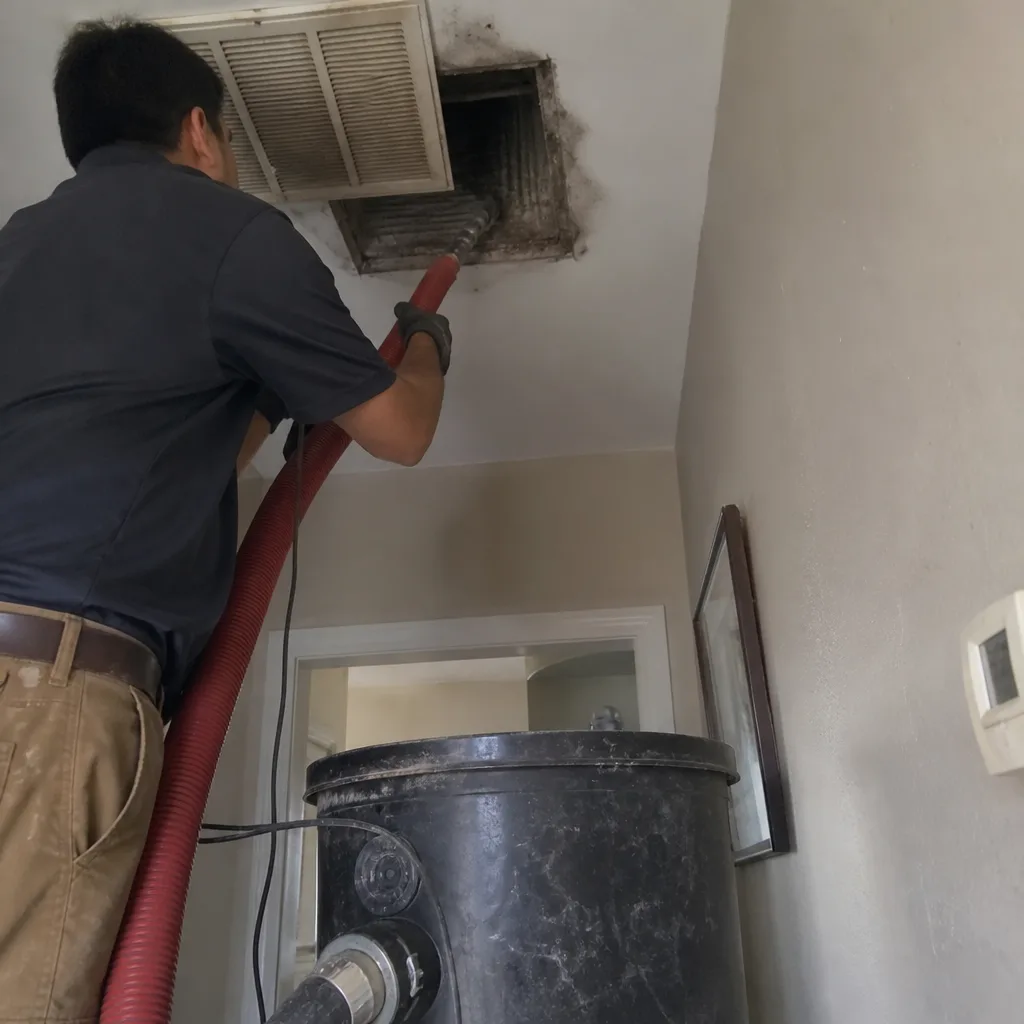 Before
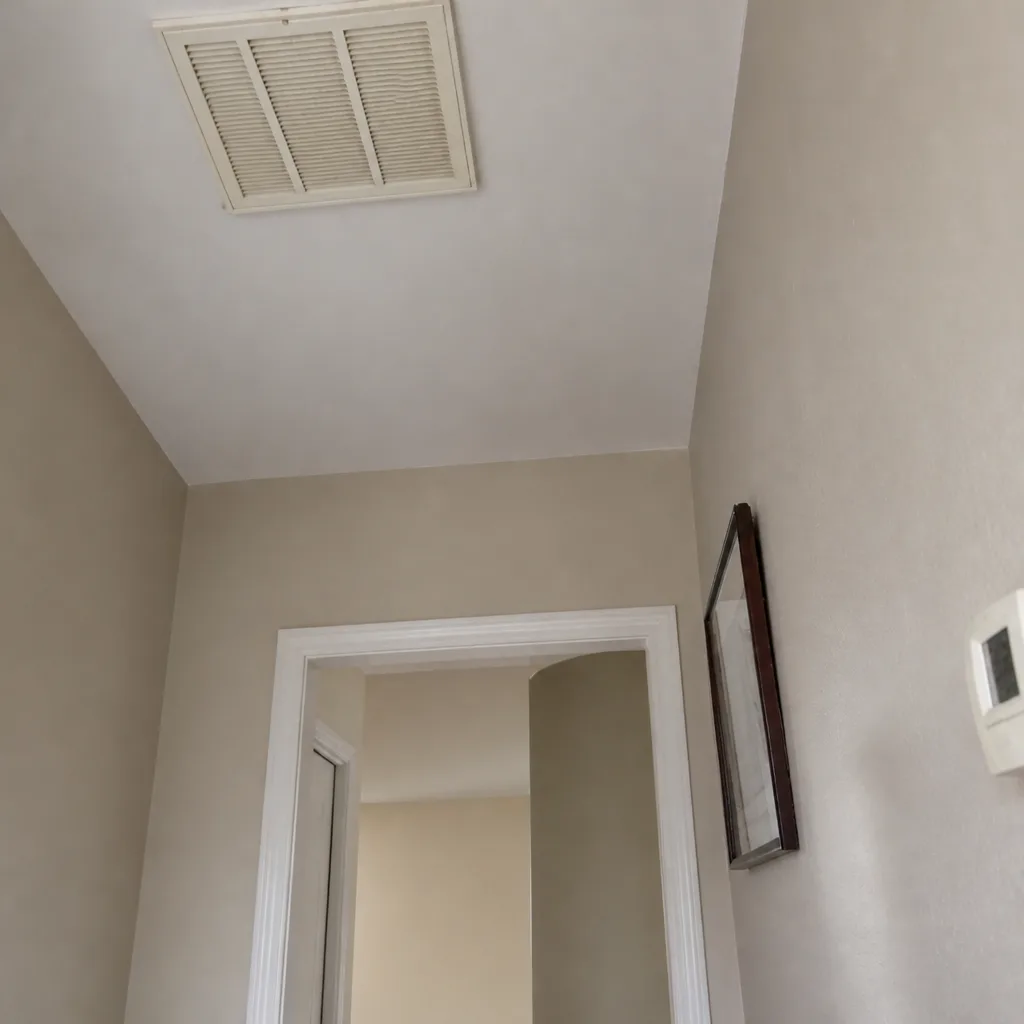 After
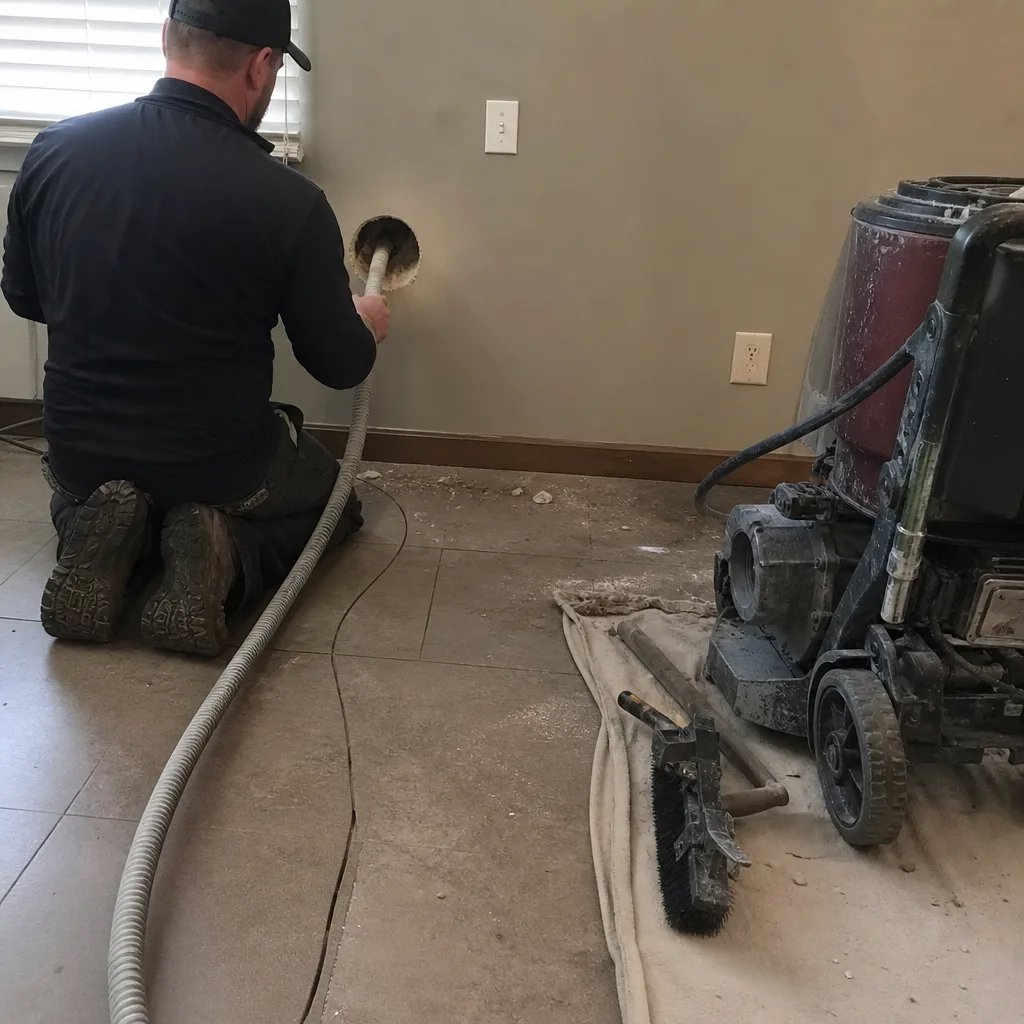 Before
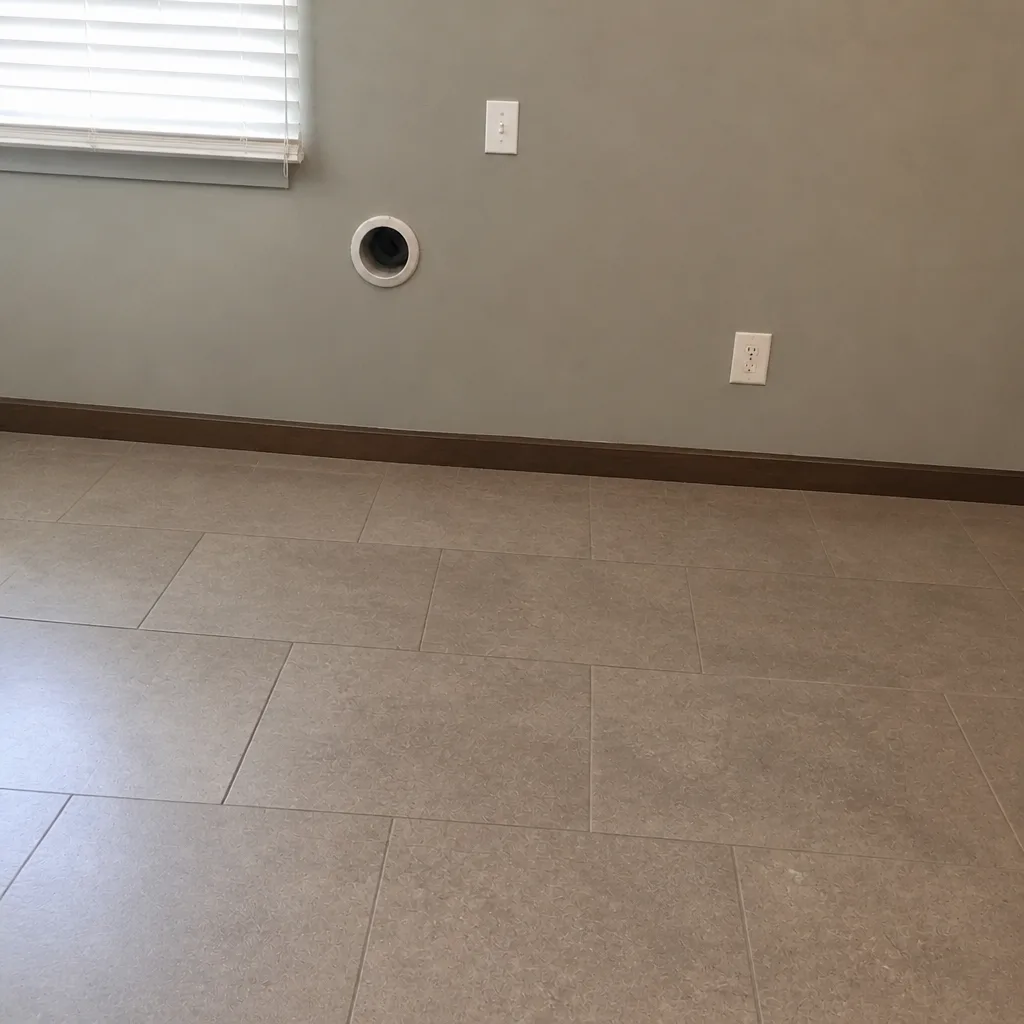 After
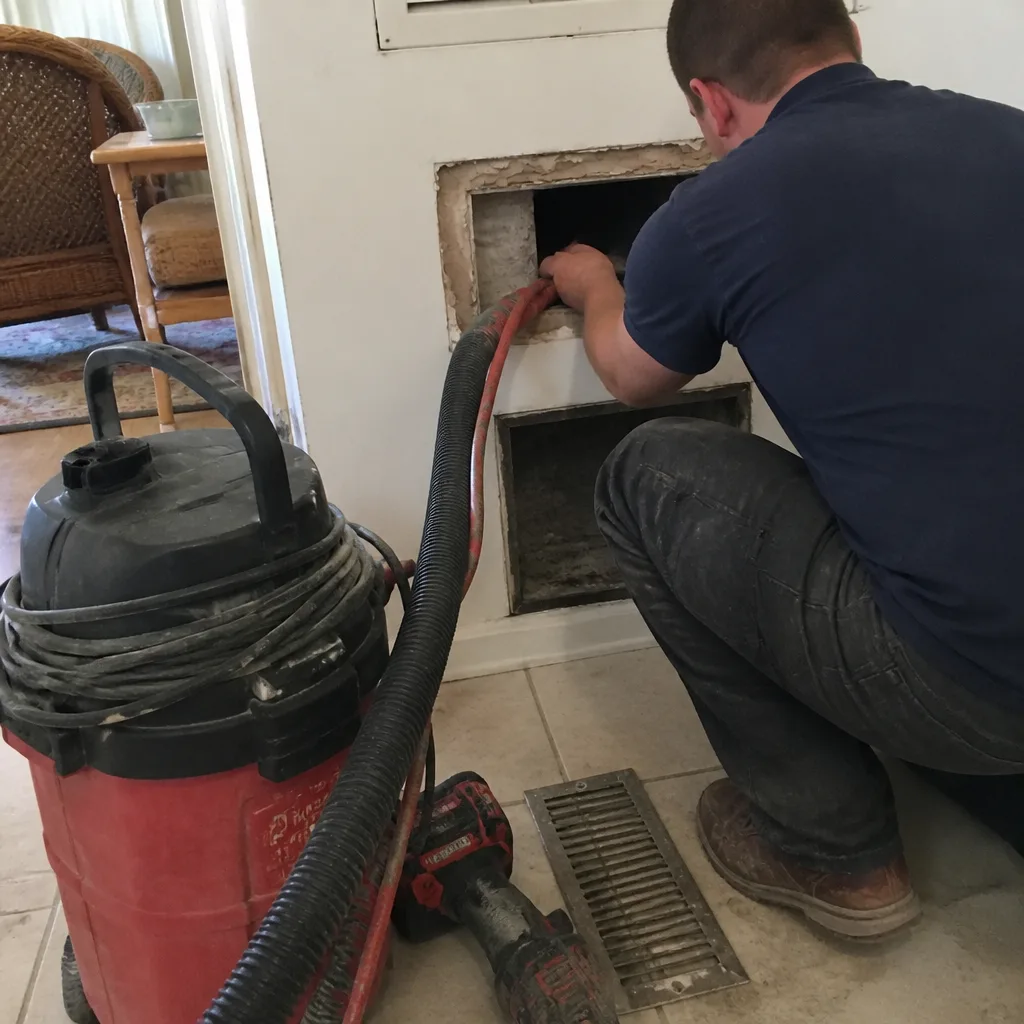 Before
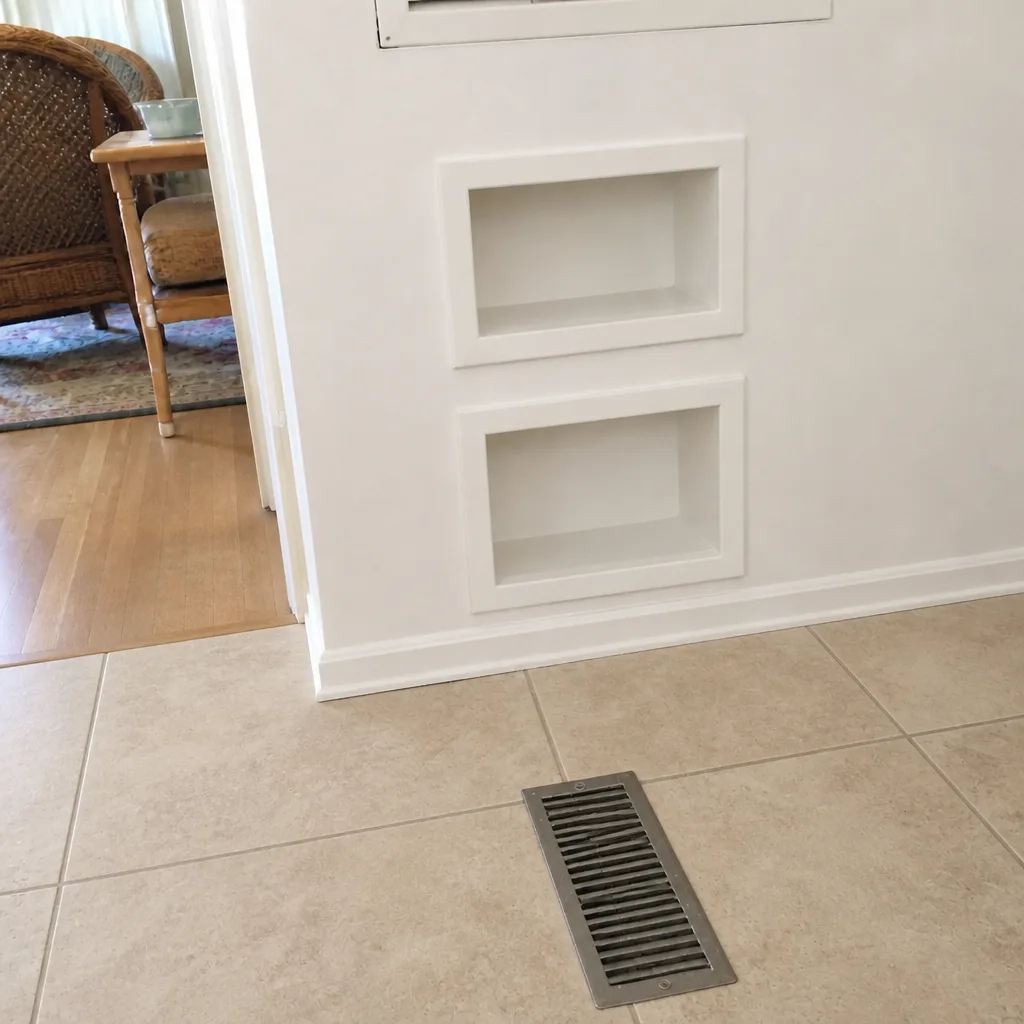 After
When to Call a Professional
Call a professional when the symptom has persisted through a cleaning and an HVAC check, when you see visible dust coming from a register, when a musty smell returns within weeks, or when airflow is uneven across rooms and you can’t identify the branch. Call before you spend on a second cleaning, not after. Call also if your dryer vent hasn’t been cleaned in a long stretch and the dryer is taking longer to dry a load. Duct Cleaning Abilene offers free estimates; call (888) 618-8972 and we’ll walk through the symptoms with you before booking a visit.
Our technicians have up to 12 years of experience reading these systems, and we can tell you during the estimate whether the problem is a cleaning, a repair, or an HVAC issue that belongs with a different specialist. We answer 24/7. Fast dispatch from 7am to 7pm, Sunday through Friday.
Frequently Asked Questions
Because airflow problems are usually a design, sealing, or blower issue, not a cleanliness issue. Dust doesn’t route air unevenly; ductwork does. If a cleaning didn’t move the needle, the next step is a branch-by-branch airflow assessment to find the restriction. Call (888) 618-8972 for an estimate and we’ll walk through it.
There’s no fixed interval, and any company that quotes one is guessing. In Abilene, caliche dust settles fast, and homes near open lots or new construction need shorter intervals than homes in established neighborhoods. Watch your filter loading rate; a filter that’s gray at two weeks is telling you the system is pulling more dust than it should. Call (888) 618-8972 for an assessment instead of guessing at a number.
Because the source wasn’t addressed. If the returns weren’t cleaned, if the coil is fouled, or if the air handler is pulling dusty attic air through a leak, register dust will return in days. A full-pathway cleaning including returns, boots, and coil inspection is what actually stops the return. Call (888) 618-8972 to book a diagnostic.
Usually because they cover less: supply runs only, no returns, no coil inspection, and no before-and-after photos of your own ducts. Some use consumer-grade vacuums that stir dust rather than contain it. We price per system, not per vent, in writing, before work starts. Call (888) 618-8972 for an honest estimate.
Ask for before-and-after photos of your own ducts, not stock photos. Ask for the equipment names and the containment filtration being used. Professional-grade systems like Rotobrush and Nikro, with Abatement Technologies filtration on site, are the ones that produce verifiable results. Call (888) 618-8972 and we’ll explain what we’ll do before we start.
That’s usually moisture, not dust. The source is typically the evaporator coil, the condensate pan, or damp duct lining, and cleaning the ducts alone won’t reach it. Ask for those components to be inspected as part of the next service. Call (888) 618-8972 and we’ll scope it properly.
Often, yes. Crushed flex runs, disconnected boots, and leaking joints are repair problems, not cleaning problems, and they cause most of the persistent airflow complaints we see. Cleaning a damaged duct won’t restore flow; repairing it will. Call (888) 618-8972 to talk through what you’re seeing.
The Bottom Line
Most duct complaints aren’t cleanliness problems, and treating them as one is why so many cleanings disappoint. Map your symptom first: register dust that returns in days points to returns or a source leak; uneven room temperatures point to a design or sealing issue; a musty smell that comes back points to moisture somewhere in the system. In Abilene, fine caliche dust settles fast and clogs differently than humid-climate dust, which changes both how often symptoms return and what it takes to actually clear them. The right fix is a matter of getting the diagnosis right before the equipment comes off the truck. Professional-grade equipment and a proper pre-cleaning assessment get you there. If you’ve had a cleaning that didn’t solve the problem, or you’re starting from scratch and want an honest read on what’s happening, we can help. dryer vent cleaning is part of the same air-pathway picture and often worth doing at the same visit. Call (888) 618-8972 for a free estimate. We answer 24/7. Fast dispatch from 7am to 7pm, Sunday through Friday.
Written by the team at Duct Cleaning Abilene.