
Last updated November 16, 2026
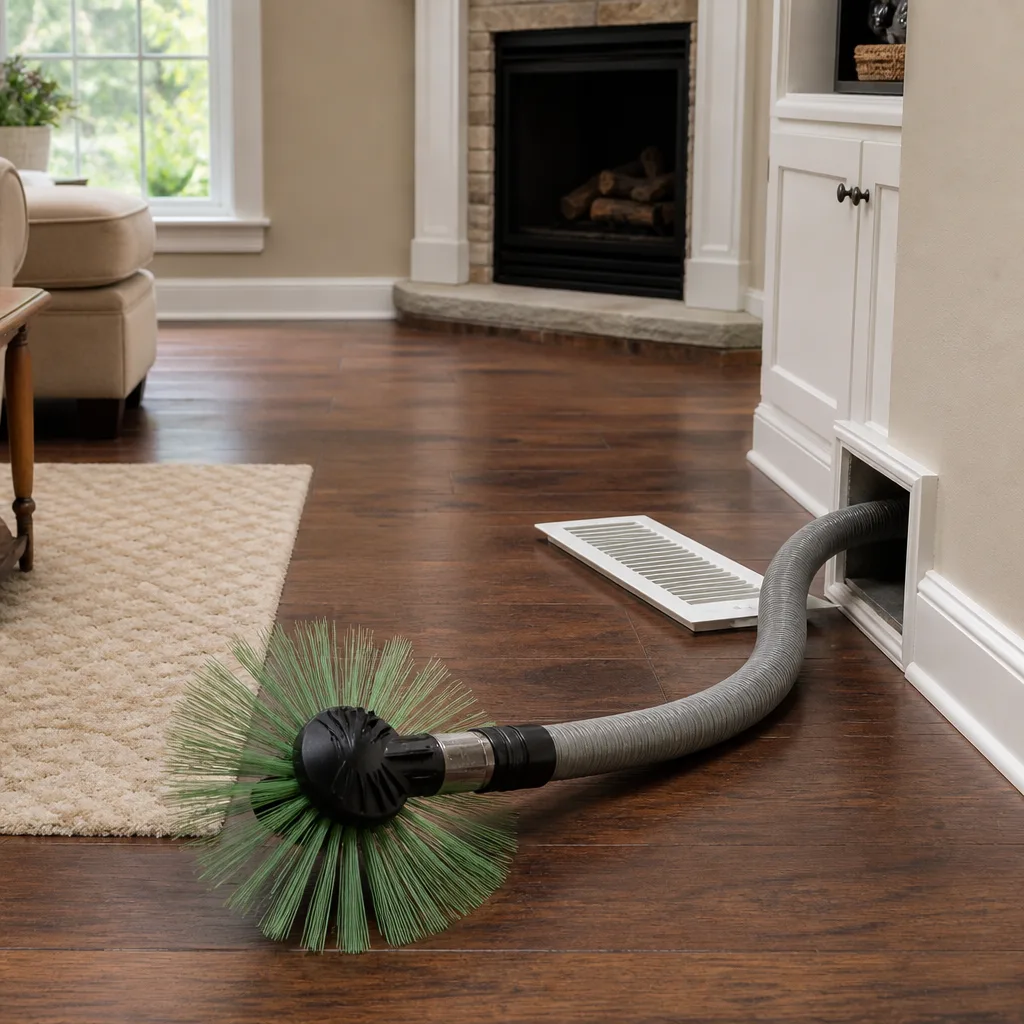 Whole-home duct cleaning
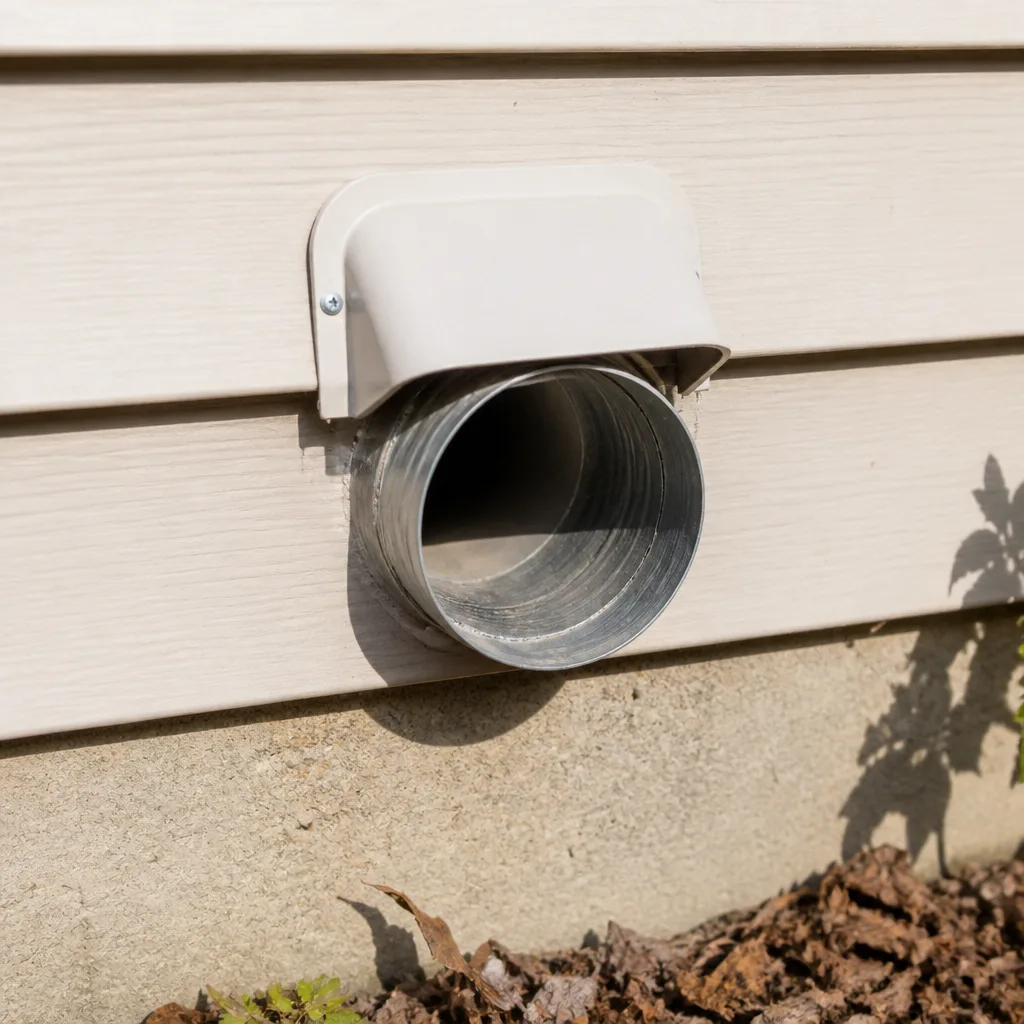 Dryer vent cleaning
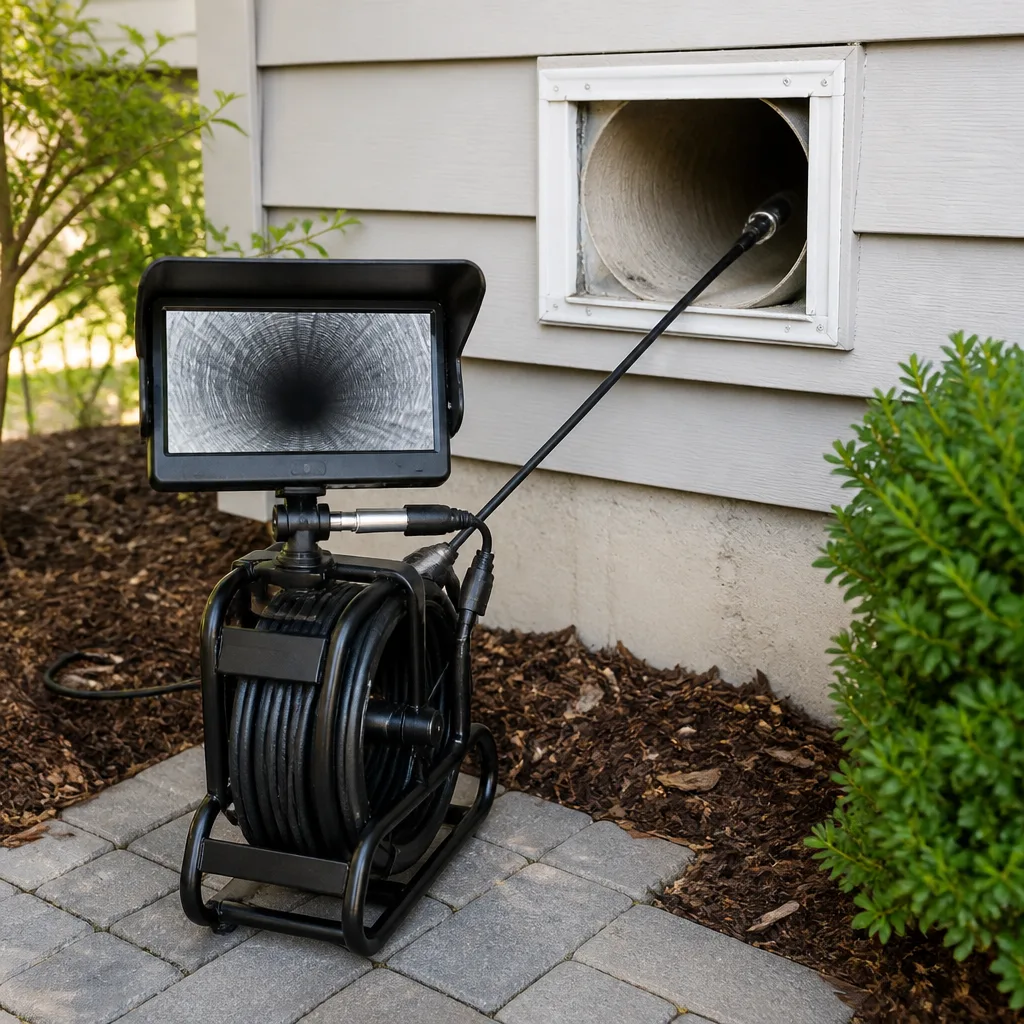 Camera inspection
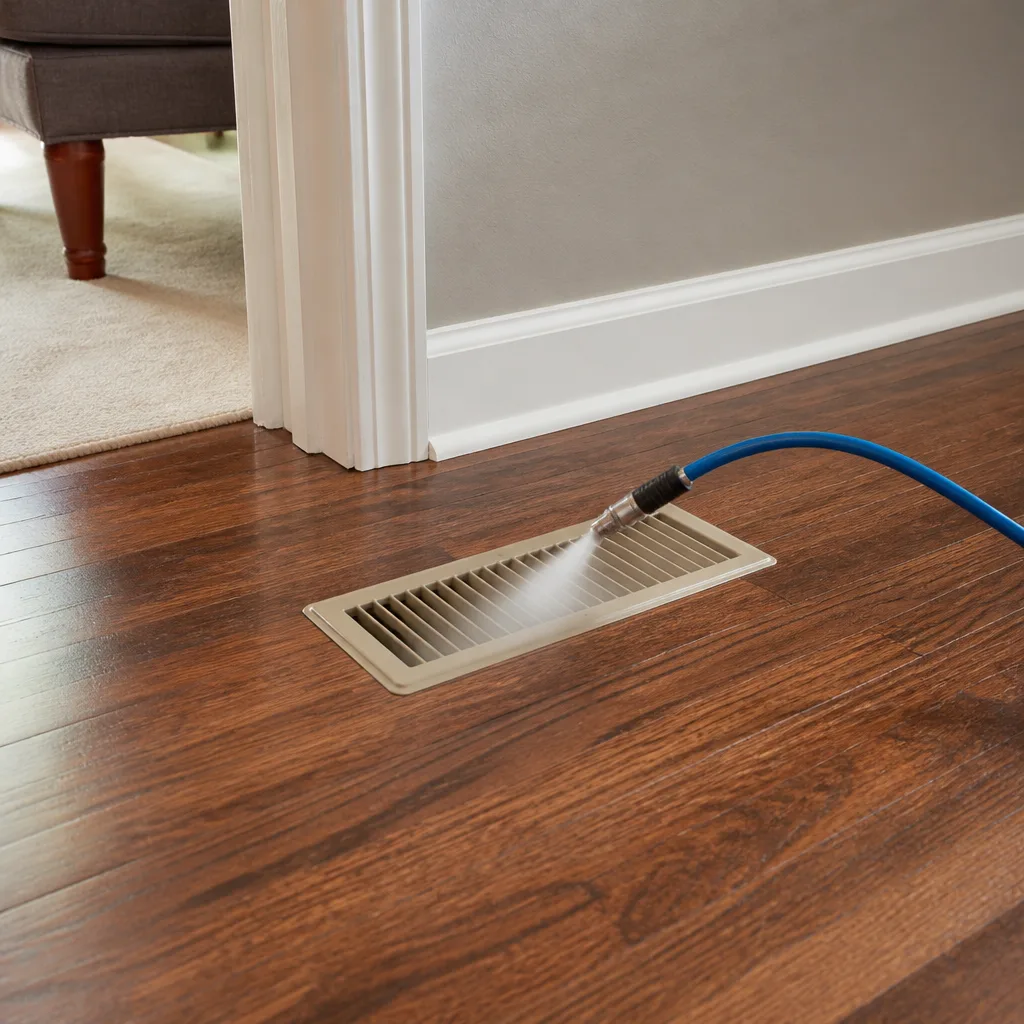 Sanitizing & deodorizing
Whole-system duct and dryer vent check with before-and-after photos - you see exactly what came out of your vents
That "$99 whole-house special" is a bait ad - the real number appears once they are in your hallway, or the "clean" is a shop-vac at the register. We photograph the inside of your ducts before and after instead.
Air Duct Cleaning Maintenance Schedule: What to Do and When
The “3-to-5 years” duct cleaning recommendation that circulates online was never meant to apply to every home. It’s a population average, and averages flatten out the details that actually decide when your ducts need attention: pets, renovation dust, the wind-driven particulate season that rolls through West Texas, and whether your return system is filtered well in the first place. Two houses on the same Abilene block, built the same year, can need service years apart. This guide replaces the vague calendar with a decision framework you can actually use, so you stop guessing and start scheduling with purpose.
Quick Answer
Most Abilene homes with no pets, decent filtration, and no recent renovation should have ducts professionally cleaned and inspected every 5 to 7 years. Homes with dogs or cats, allergy sufferers, older flex duct, or attic-based return systems usually land closer to every 3 to 4 years. Dryer vents run on a separate clock entirely, typically once a year, and should never be folded into your HVAC duct schedule.
Styles & brands we work with
- Whole-home duct cleaning
- Dryer vent cleaning
- Camera inspection
- Sanitizing & deodorizing
Table of Contents
- The Tiered Interval System: Which Home Are You?
- Load Factors That Speed Up the Clock
- Seasonal Timing in Abilene: When to Schedule
- The Filter Schedule That Runs Parallel
- Dryer Vent Cleaning: A Separate Maintenance Clock
- Renovation, Move-In, and Other Trigger Events
- Building a Home Air Log That Future Technicians Can Use
- What a Professional Inspection Actually Checks
The Tiered Interval System: Which Home Are You?
A single cleaning calendar doesn’t work because homes don’t load their ducts at the same rate. The right interval depends on how much particulate enters the system, how well the system filters it, and how much surface area the ductwork has for debris to settle against. Once you know which tier your home falls into, the vague “somewhere between three and five years” question stops being a question.
Tier 1: Baseline homes. These are houses with no pets, no smokers, no recent renovation, a properly sized filter that’s changed on schedule, and duct runs that are predominantly rigid metal in conditioned space. For these homes, an inspection every 5 to 7 years with a clean when the inspection justifies it is a reasonable rhythm. Many homes in this tier can stretch toward the longer end if airflow stays strong and filter loading looks normal.
Tier 2: Accelerated-load homes. Add a dog or two, an indoor cat, an allergy sufferer in the household, older flex duct that has sagged or collected dust on its inner ribs, or a return that pulls through an unconditioned attic. Any one of these pushes the practical interval to every 3 to 4 years. Two or more and you should be looking at an inspection every 2 to 3 years, with cleaning performed when the inspection shows real accumulation rather than on a blind timer.
Tier 3: High-load or special-condition homes. Households with multiple pets, a family member with asthma or significant allergies, water intrusion history, or a recent gut renovation behind them belong here. Annual inspection with cleaning as needed, typically every 2 to 3 years, keeps the system honest. If you’ve just bought an older house in a neighborhood like Sayles or Belle Plain where the previous owner’s maintenance record is unknown, treat the first inspection as a Tier 3 event regardless of what the house looks like.
Load Factors That Speed Up the Clock
The interval isn’t a mood. It’s a calculation of how fast your ductwork reloads after a professional cleaning, and several specific factors drive that rate. Knowing them tells you how to read your own home instead of borrowing someone else’s schedule.
- Pets. Dogs and cats shed dander and hair continuously. Even with a good filter, the return side of the system collects fur that gets past the filter media, and the inner walls of flexible duct catch it like a net. This is the single biggest accelerator in most homes.
- Filtration quality and discipline. A low-MERV filter that’s changed reliably outperforms a high-MERV filter that’s left in until it’s gray and matted. Filtration is a rate question, not a spec question, and we’ll come back to it in its own section.
- Duct material and location. Rigid metal duct in conditioned space stays cleaner longer. Sagging flex duct in a hot attic, with ribs that trap dust and joints that can leak, reloads faster.
- Return design. A return that pulls through a hot, dusty attic or a garage wall brings that environment’s particulate into the system with every HVAC cycle. This is common in older Abilene construction and it’s one of the reasons “the average home” doesn’t describe your home.
- Local particulate. West Texas wind carries fine dust and soil particles for much of the year. Homes near open lots, fields, or active construction reload faster than homes surrounded by mature trees and full lawns. If your windows are open on mild days, add that to the load picture.
- Occupancy and habits. A house with a wood-burning fireplace used regularly, a workshop in the garage that vents near the return, or heavy candle use will all load the system faster than a low-activity home.
In our experience, homeowners who track these factors for a year or two start spotting their own interval without much guesswork. The point is to make the decision from observation instead of inheriting a number from a website.
Seasonal Timing in Abilene: When to Schedule
Timing the inspection and cleaning matters as much as the interval. In Abilene, spring brings wind-driven dust and particulate that builds up quickly across the region, and summer is when the HVAC system runs the hardest, pushing the most air through whatever is sitting in the ductwork. The two together create a scheduling window worth using deliberately.
Before spring dust season. A clean in late winter or very early spring means the ductwork starts the windy season free of last year’s accumulation. It also means your HVAC system carries that cleaner air through the highest-demand cooling months. For allergy sufferers, this is the most important timing decision of the year.
After heavy summer use. Late summer into early fall is inspection season. The system has run hard, the filter has cycled many times, and any weak points in the return or the duct joints will show up as visible accumulation. Scheduling an inspection here catches problems before the next heating season starts.
Between seasons. If your ducts are cleaning-due but the calendar doesn’t line up, don’t force it. The difference between cleaning in late winter and cleaning a month later is small compared to the difference between cleaning and skipping a cycle. The rhythm matters more than the exact date.
If you want a simple rule: schedule the inspection for early spring if allergies are your driver, and for late summer if general air quality and system efficiency are what you care about. Both windows work in Abilene’s climate, and both put you ahead of the homeowners who clean reactively.
The Filter Schedule That Runs Parallel
Your filter is doing most of the load-bearing work between cleanings. A duct system that was professionally cleaned in January and then run through June on a clogged filter effectively starts reloading the moment the filter stops passing air. The cleaning interval and the filter interval are two halves of the same schedule, and they need to be planned together.
Here’s the parallel schedule we recommend homeowners think in:
- At professional cleaning: Ask for the technician’s read on your current filter and the filter slot. Note the filter size, the MERV rating, and any issues with the fit.
- First 30 days after cleaning: Check the filter after two weeks. A freshly cleaned system will push loose residual dust toward the filter for the first few cycles. Replace it early if it looks loaded.
- Ongoing: Replace or clean the filter per the manufacturer’s interval for your MERV rating, then check it faster if you have pets. A MERV 8 filter in a pet household often wants changing every 60 days, not 90.
- Monthly check: Once a month, hold the filter up to a light. If you can’t see light through it easily, it’s done regardless of the calendar.
Lower MERV ratings let more particulate past the filter and into the ductwork, which loads the ducts faster. Higher MERV ratings catch more but also impose more static pressure on the blower, and a filter that’s too restrictive for your system can cause its own airflow problems. If you want to upgrade filtration alongside duct cleaning, Honeywell and Aprilaire both make filter and IAQ products that fit many residential systems, and a technician can tell you what your blower can handle. Getting this pairing right is one of the simplest ways to stretch your cleaning interval by a year or more.
Dryer Vent Cleaning: A Separate Maintenance Clock
Dryer vents get folded into duct cleaning conversations because they’re both “vents,” but they’re different systems with different clocks and different risks. The dryer vent carries hot, moist, lint-laden air out of the house; the lint that accumulates in the run is a leading cause of residential fires, documented by the U.S. Fire Administration as responsible for thousands of fires across the country each year. It’s not an afterthought, and it’s not on the same schedule as your HVAC ducts.
The dryer vent interval. Most households should have the dryer vent cleaned and inspected annually. Homes with high laundry volume, long vent runs, or vent runs with multiple elbows should check more often, sometimes every six to nine months. A dryer that takes longer than it used to dry a load, or feels hot to the touch on the cabinet, is telling you the vent is loading up.
Why conflating the two misses intervals. A homeowner who cleans their HVAC ducts every five years and thinks “one system, one schedule” is going to leave the dryer vent untouched for five years. That’s a long time to run a fire risk in a house. The two systems need to be tracked separately, with the dryer vent getting the more frequent attention. For a dedicated walkthrough of what that service covers, see our dryer vent cleaning page.
What to do about it. Add dryer vent cleaning to the same home log you keep for duct work, but on its own line with its own date. Treat it as a fire-safety check first and an efficiency item second.
Renovation, Move-In, and Other Trigger Events
Some events override the calendar entirely. If any of these happen, schedule an inspection regardless of where you are in your normal cycle:
- After a renovation that generated dust. Drywall, sanding, and demolition push fine particulate into the return system faster than any normal household activity. Even with plastic barriers up, some dust makes it into the ductwork. Inspect and clean once the air has settled, typically within a few weeks of final paint.
- After buying an older home. You don’t know what the previous owner did. An inspection is the only reliable way to know the condition of the ductwork, the return path, and any flexible duct that may have been run through an attic.
- After water intrusion or visible mold. Duct systems that have been wet need professional assessment. This isn’t a maintenance question, it’s a remediation question, and it’s worth handling promptly.
- When airflow changes. Rooms that used to heat and cool evenly but don’t anymore, or a system that’s suddenly noisy at the registers, point to duct issues including leaks or crushed runs. We investigate those as a repair matter as part of our air duct cleaning work.
- When a new pet joins the household. Adding a dog to a home that was Tier 1 effectively pushes it toward Tier 2. Recalculate the interval, don’t just carry on.
Building a Home Air Log That Future Technicians Can Use
The single best thing you can hand a technician is a written record of what your system has been through. It shortens the inspection, sharpens the recommendation, and turns a generic “clean every three to five years” pitch into a specific plan for your house. It also protects you as a homeowner: when a future technician sees dated notes about cleaning, filter changes, and symptom observations, they know what they’re working with.
Keep the log simple and physical. A small notebook in the utility closet works; a phone note works; the back of a folder of HVAC receipts works. The content matters more than the format. Here’s what to record:
- Cleaning dates. The date of each professional duct cleaning, the company name, and any notes the technician left about condition at the time.
- Filter changes. Date, MERV rating, filter size, and a one-word note (“clean,” “gray,” “loaded”) on what it looked like coming out.
- Symptom observations. Registers that seem weak. Rooms that run hot or cold. Visible dust on furniture after the system runs. Any change in how the house feels on high-demand days.
- Dryer vent cleaning dates on their own line, with any observation about load time or cabinet heat.
- Renovations and disturbances. The date any work was done that could have introduced dust, including roof work, drywall, or major painting.
- Equipment details. The make and model of the air handler and any IAQ equipment (Honeywell, Aprilaire, or similar) present in the home.
When a technician has this log in hand, they can look at the last cleaning date, the filter discipline, the pet situation, and the symptom notes together and give you a recommendation in minutes. Without it, they’re guessing. That’s the whole point of the log.
What a Professional Inspection Actually Checks
The inspection step is where a good maintenance schedule earns its value. Cleaning alone tells you a technician ran equipment through the ducts; an inspection tells you whether the equipment reached the problem and whether the system is set up to stay clean. Here’s what a thorough inspection covers, and it’s also a reasonable checklist for evaluating any company you consider.
- Register and return face condition. Visible accumulation at the grilles tells you what’s riding in the airstream.
- Filter slot and filter condition. Filter size, fit, and MERV rating, plus whether the filter path has bypass that’s letting unfiltered air into the system.
- Access into the trunk and run. Cutting an access port into the trunk and shining a light into the runs reveals actual accumulation, not a verbal impression.
- Duct material and joint integrity. Flexible duct that’s sagged, crushed, or torn is a common finding in older Abilene homes. These are repair items, and they change the ROI picture on cleaning.
- Return path. Whether returns run through conditioned space or through hot attic air, and whether any return is pulling from an unintended source like a garage wall.
- Blower and air handler condition. A dirty blower wheel pushes less air, regardless of duct condition.
When we do this work, our technicians use Rotobrush rotary-brush systems and Nikro HEPA vacuums so the brushing is physically agitating the duct walls while the vacuum extracts what’s loosened. Abatement Technologies air filtration runs on-site during the job, so the home’s air is contained while we work. If the inspection turns up a leaking or damaged run, we can quote the repair as part of the same visit and the same relationship, which is one reason we offer duct repair as a standalone service. For a broader look at how the work is done, our Duct Cleaning Abilene page is the place to start.
Common Mistakes to Avoid
- Treating the “3-to-5 year” rule as gospel. That number is a population average. A pet household that waits five years is running two cycles past due, and a clean, filtered home that cleans at year three is wasting money.
- Cleaning on a schedule but skipping the inspection. Cleaning without inspection can miss crushed flex duct, leaking joints, or a return pulling from the wrong place. Those are the problems that affect efficiency most, and cleaning alone won’t fix them.
- Folding dryer vent cleaning into the duct schedule. The two systems run on different clocks. A five-year interval on your dryer vent is a genuine fire risk; keep it separate and keep it annual.
- Putting a high-MERV filter in a system not designed for it. High-MERV filters catch more particulate but can restrict airflow if they’re too heavy for the blower. Match the filter to the system, then change it on schedule.
- Ignoring visible signs in favor of the calendar. Dust streaks at the registers, weak airflow in one room, or a musty smell after the system runs are all override signals. Inspect now, don’t wait for the interval.
- Skipping an inspection after a renovation. Drywall dust travels. Homes in Abilene that finish a remodel and don’t inspect the ducts often discover the accumulation a year later when airflow has dropped and symptoms have set in.
- Not keeping a log. Without written notes, every future technician starts from zero and every recommendation gets softer. The log is the difference between a schedule and a guess.
See the difference
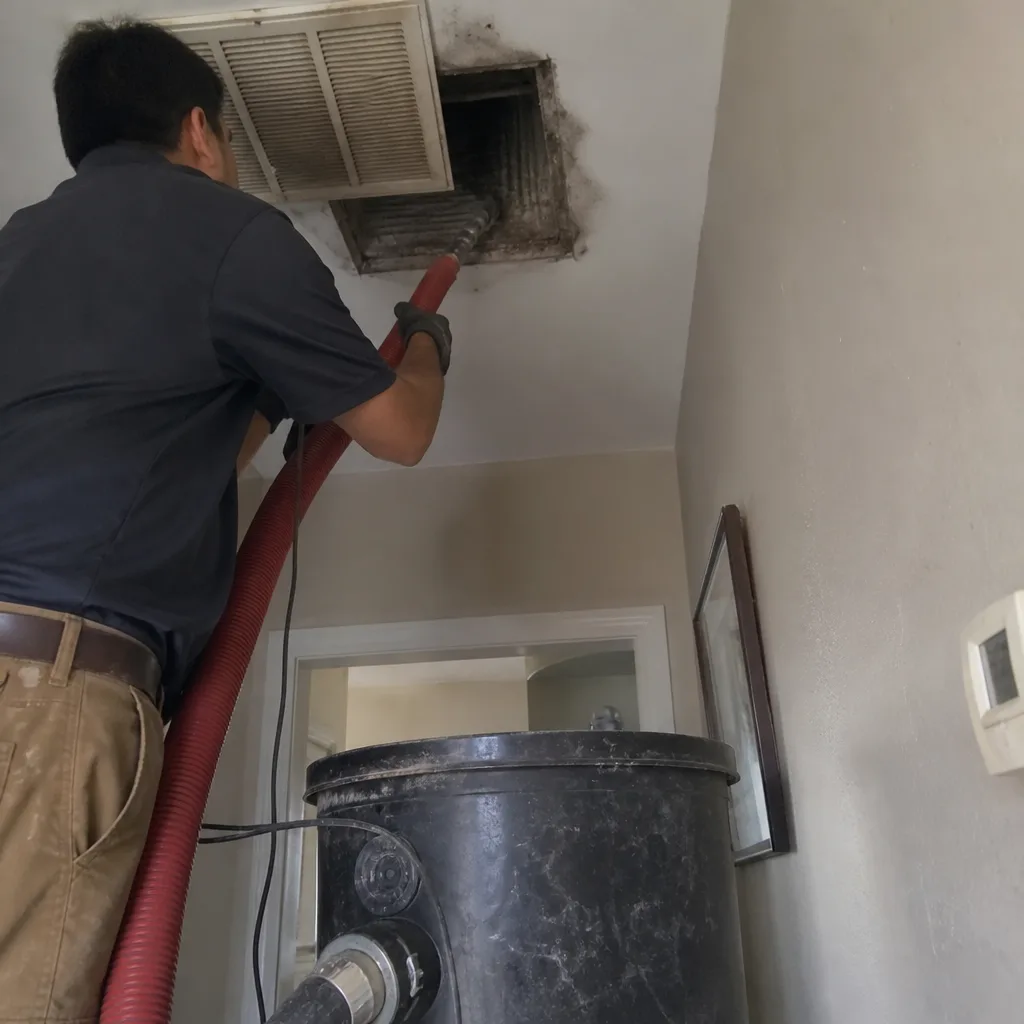 Before
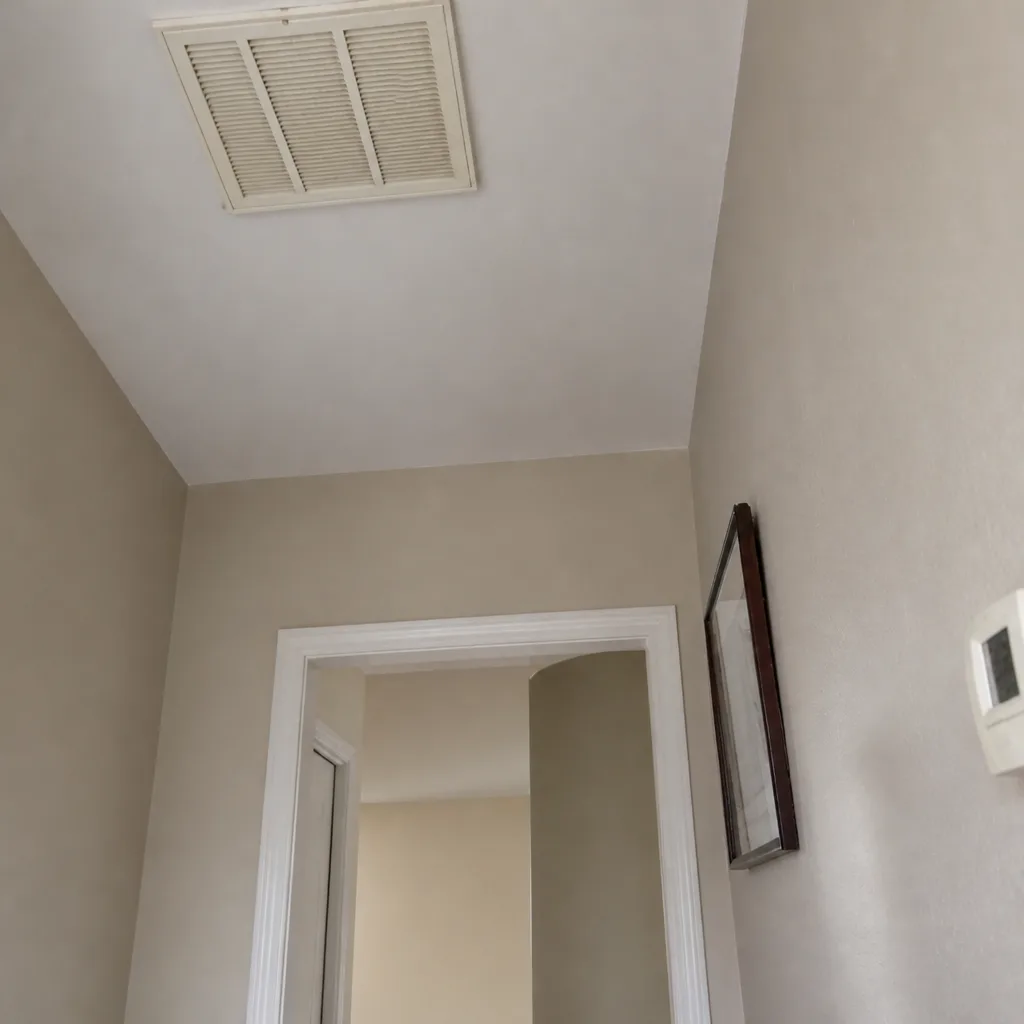 After
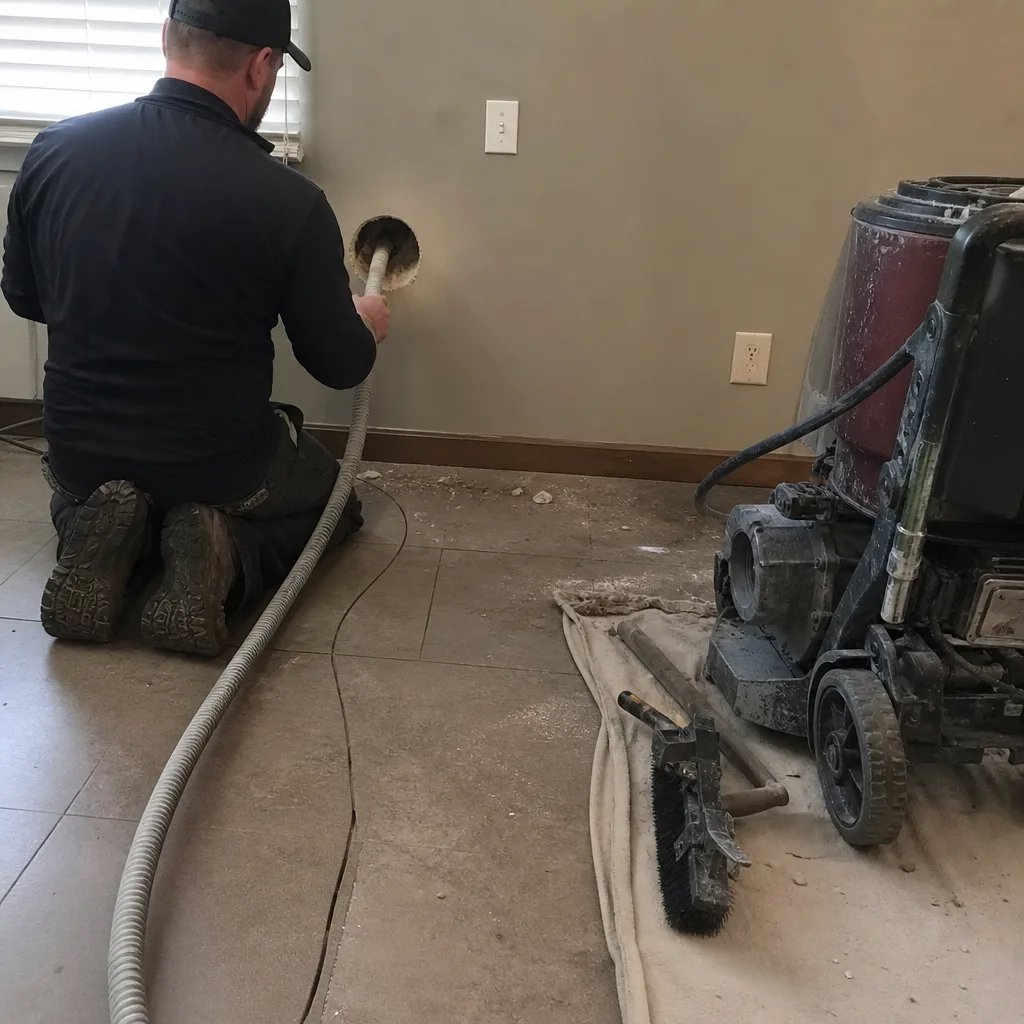 Before
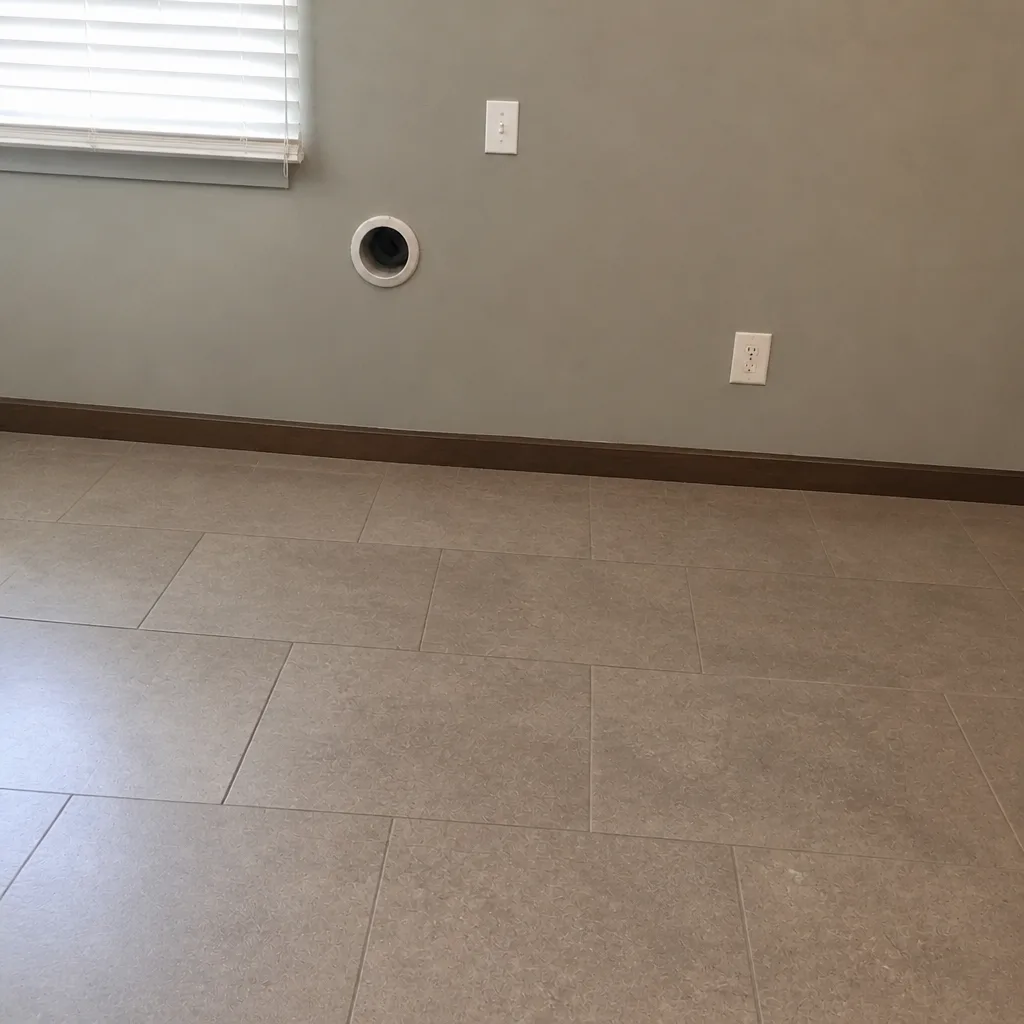 After
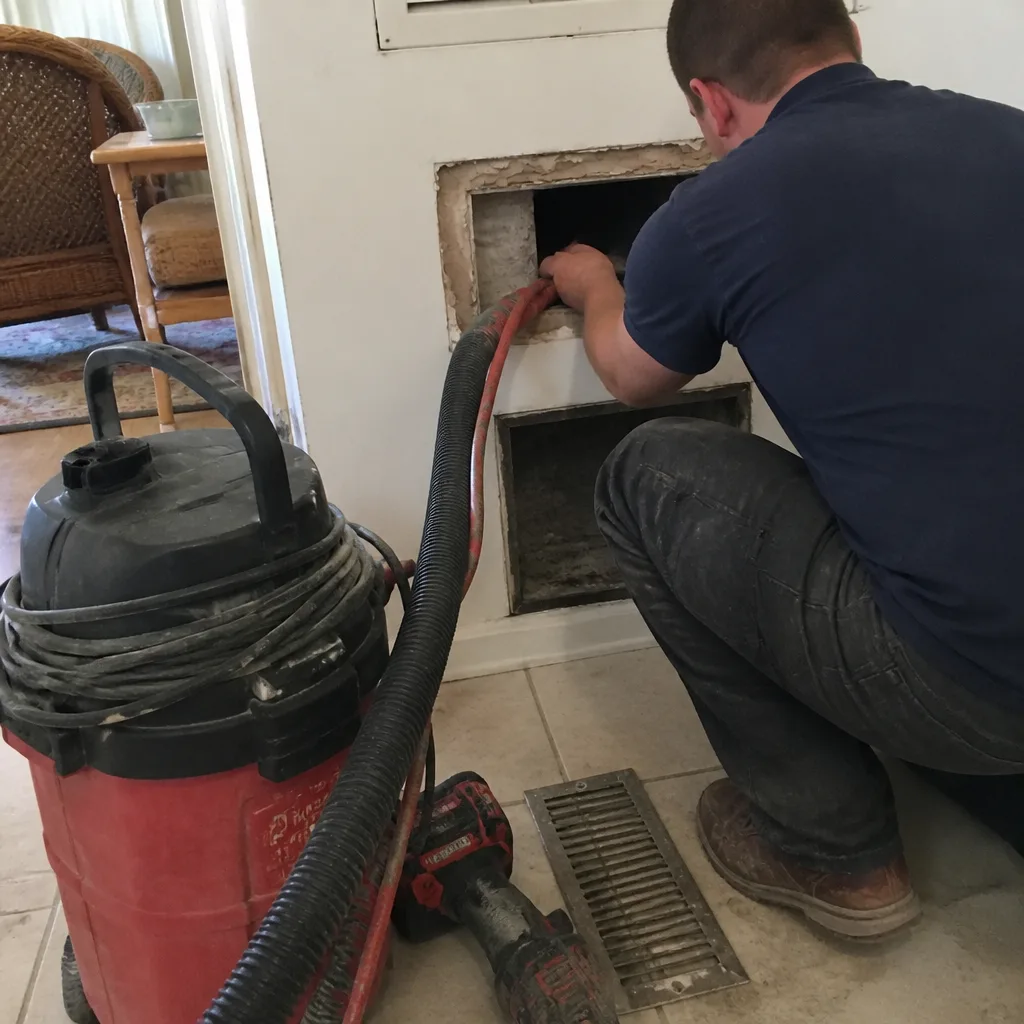 Before
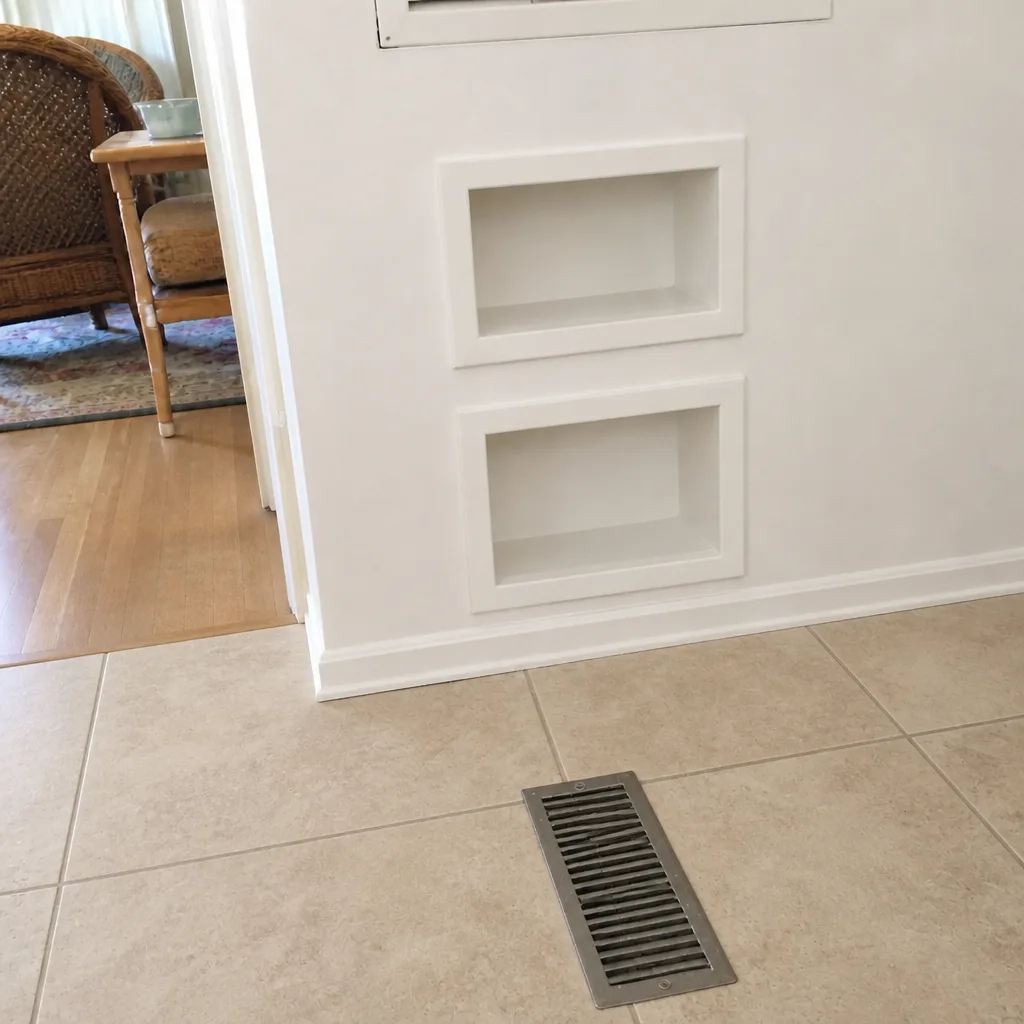 After
When to Call a Professional
Call for a professional inspection if any of the following apply: you’ve never had the ducts inspected in the home you live in, you’re in a pet household that hasn’t been cleaned in three or more years, you’ve recently finished a renovation, you’re noticing visible dust at the registers or weak airflow in one or more rooms, someone in the home has asthma or allergies that seem tied to HVAC cycles, or your dryer takes noticeably longer to dry a load than it used to. Any of these is worth a professional look. Call (888) 618-8972. We answer 24/7. Fast dispatch from 7am to 7pm, Sunday through Friday. An inspection is the entry point; our technicians have up to 12 years of experience reading duct systems and can tell you whether you need a cleaning, a repair, or a dryer vent service first. Written estimates set the final price before any work begins. If you want to see what we cover across the city, our Abilene service page is a good place to start.
Frequently Asked Questions
Most Abilene homes should have their ducts inspected every 3 to 5 years and cleaned when the inspection shows real accumulation. Pet households, allergy sufferers, older homes, and homes with attic returns typically land closer to every 3 to 4 years. Call (888) 618-8972 for a free estimate specific to your home.
It does. Wind-driven particulate through much of the year loads ductwork faster here than in many other regions, especially if your windows are open on mild days or your home backs up to open lots or fields. In practice, that pushes many Abilene homes a year earlier than the national average would suggest. Call (888) 618-8972 and we’ll factor in your home’s exposure.
Before is generally better if allergies are your main concern, because the ductwork enters the windy season already clean and the HVAC system carries cleaner air through the high-demand cooling months. Late summer into early fall is the next best window for inspection after heavy HVAC use. Call (888) 618-8972 to book a slot that fits your home.
No. Dryer vent cleaning is an annual service for most homes, sometimes twice a year for high laundry volume or long vent runs, while HVAC ducts typically run on a 3-to-7-year interval depending on the home. Conflating the two leads homeowners to miss the fire-risk interval on the dryer vent. Call (888) 618-8972 to schedule both services side by side.
Regular filter changes slow the reload rate significantly, but they don’t eliminate the need for duct cleaning. Some particulate gets past any filter, and flexible or older duct systems accumulate even with disciplined maintenance. An inspection tells you whether cleaning is due; the filter schedule tells you how fast you’ll need to book the next one. Call (888) 618-8972 for an honest assessment.
You can, but you’ll miss the problems inspection catches: crushed flex runs, leaking joints, unfiltered return paths, and dirty blower wheels. Cleaning without inspection cleans the ducts while leaving the efficiency losses in place. Call (888) 618-8972 and we’ll walk you through what the inspection covers.
The Bottom Line
The right duct cleaning interval isn’t a single number. It’s a decision that comes from your home’s load factors: pets, filtration, duct material, return design, and where you live in Abilene. Baseline homes can stretch toward 5 to 7 years; accelerated-load homes belong closer to 3 to 4; high-load homes want an inspection every year or two with cleaning as the findings justify it. Dryer vent cleaning runs on its own annual clock and should never be folded into the HVAC schedule. Keep a written log, time your spring and late-summer inspections deliberately, and let the inspection drive the cleaning date rather than the other way around.
If you’d like a free estimate and a schedule built around your specific home, call Duct Cleaning Abilene at (888) 618-8972. We answer 24/7. Fast dispatch from 7am to 7pm, Sunday through Friday. One flat price per system agreed before work starts, and before-and-after photos of your ducts so you can see exactly what changed.
Written by the team at Duct Cleaning Abilene.