
Last updated November 16, 2026
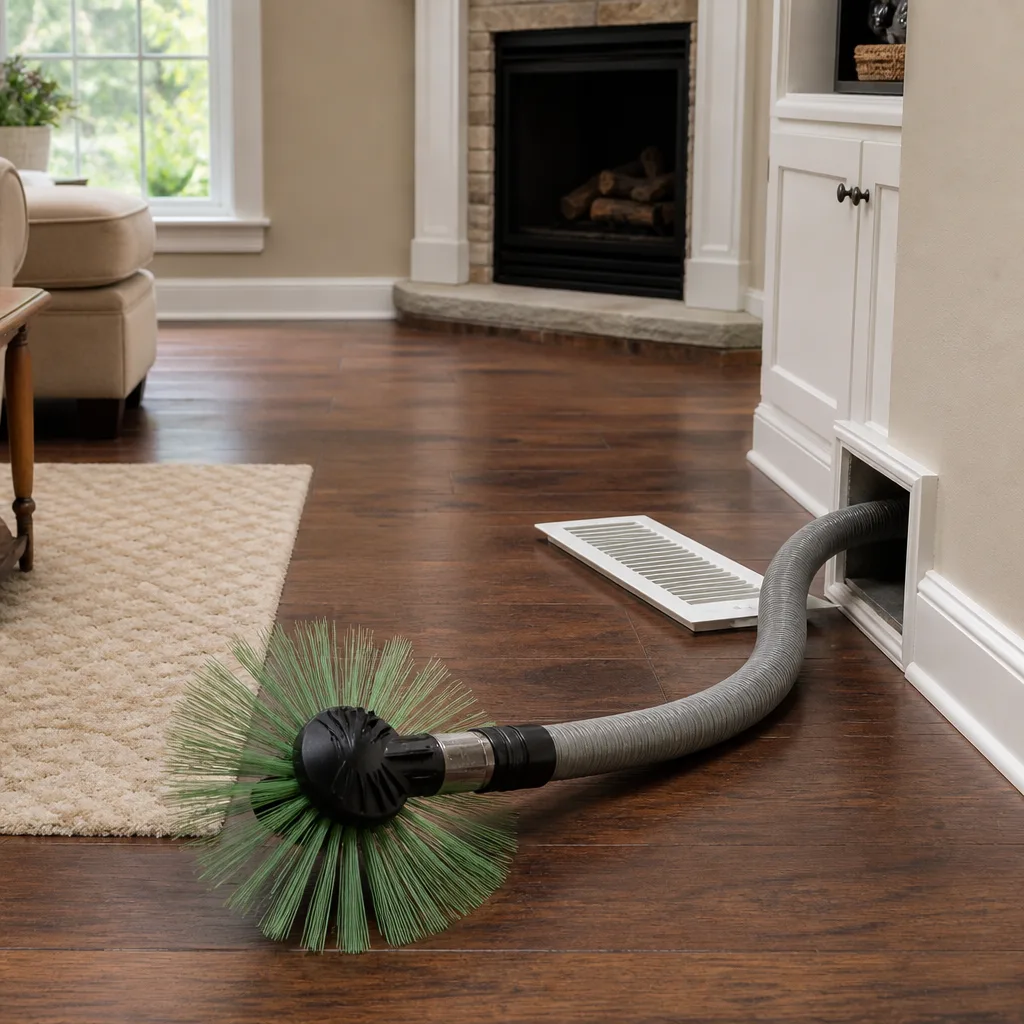 Whole-home duct cleaning
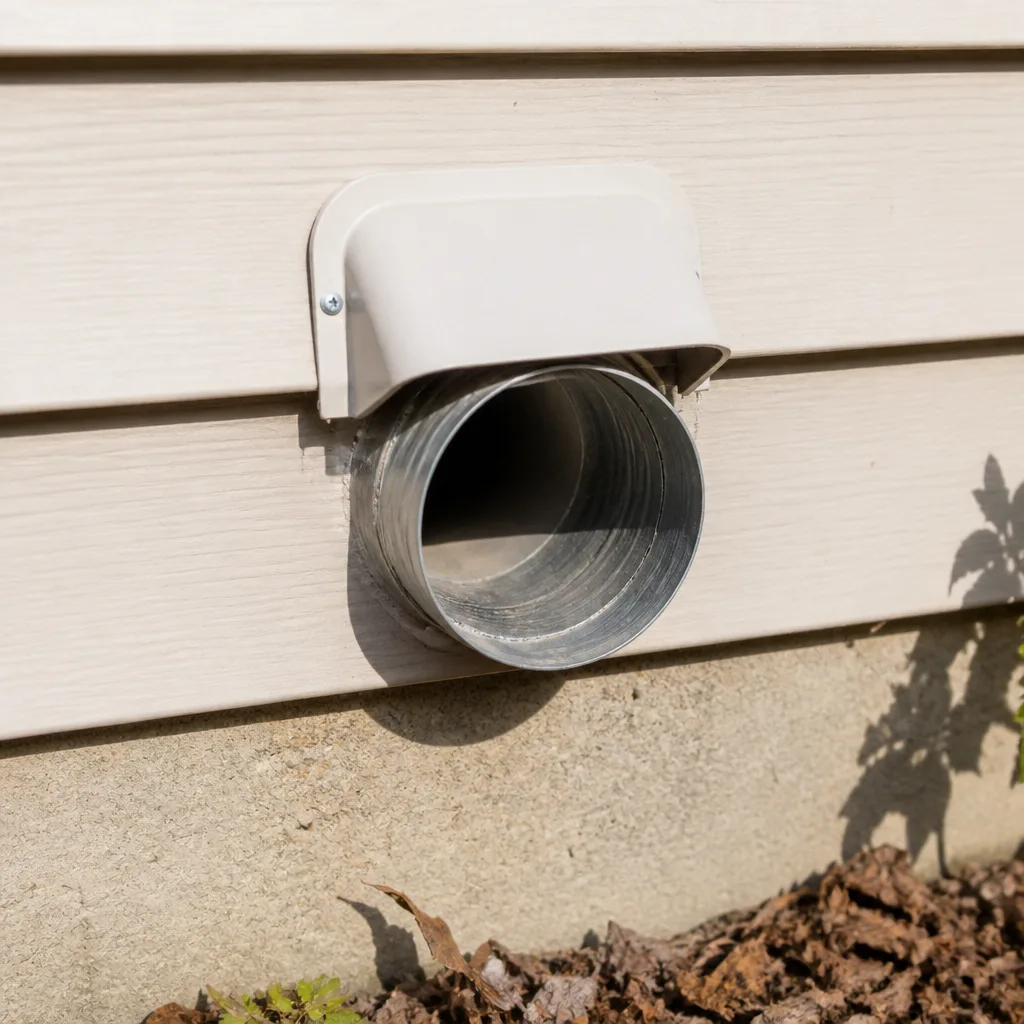 Dryer vent cleaning
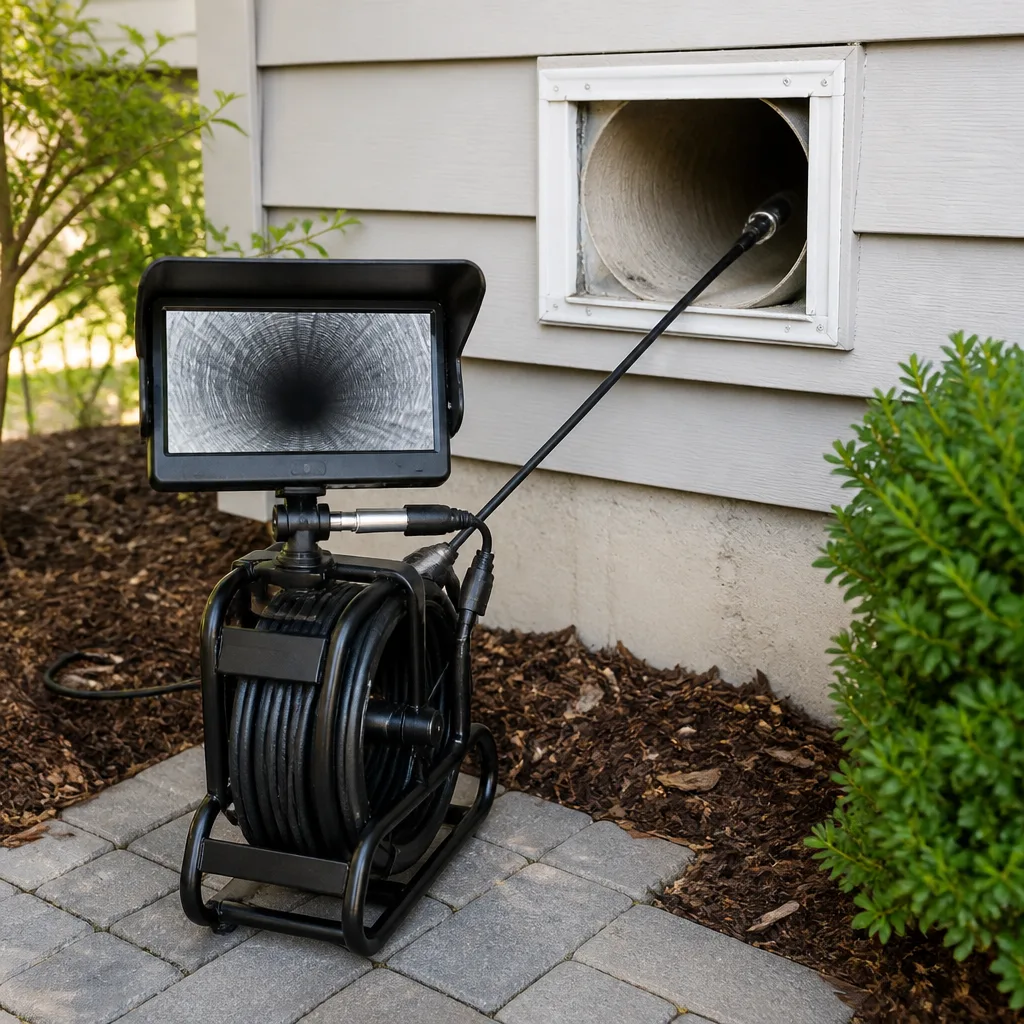 Camera inspection
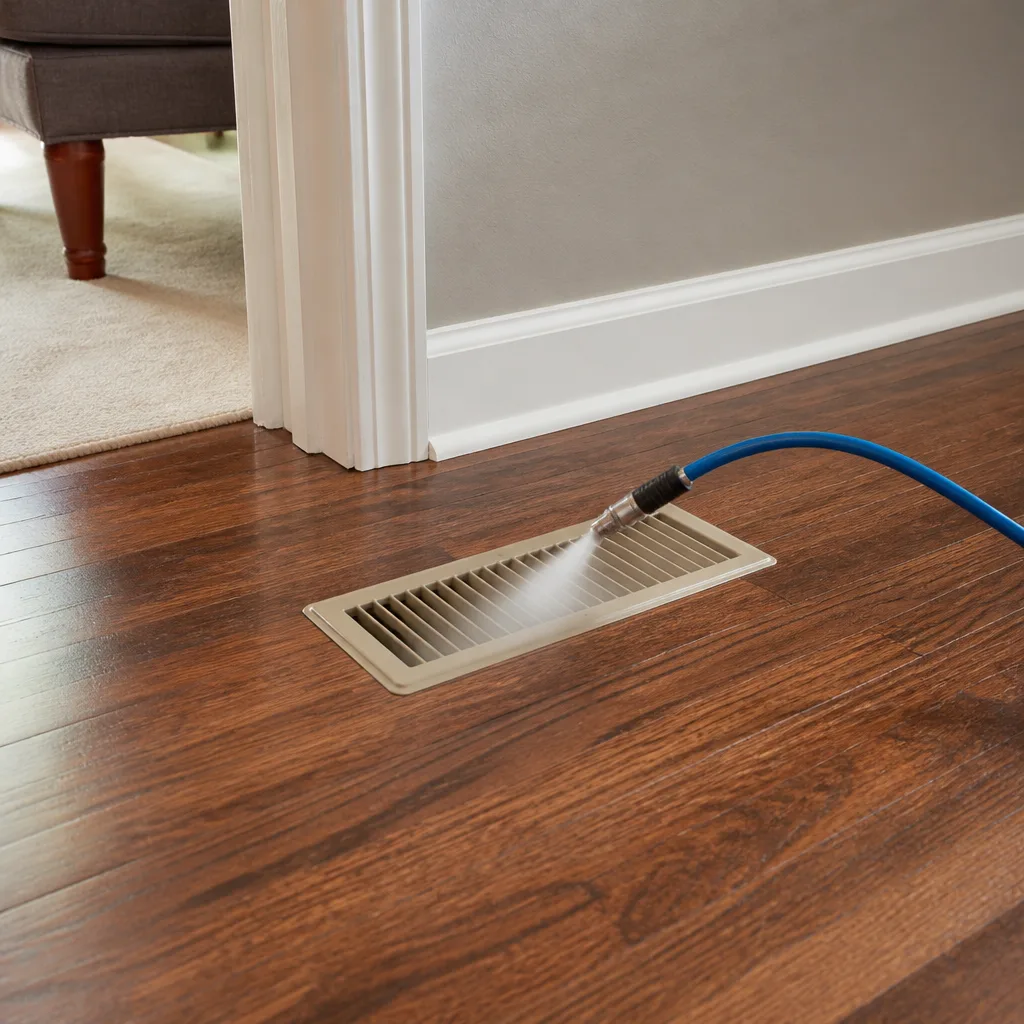 Sanitizing & deodorizing
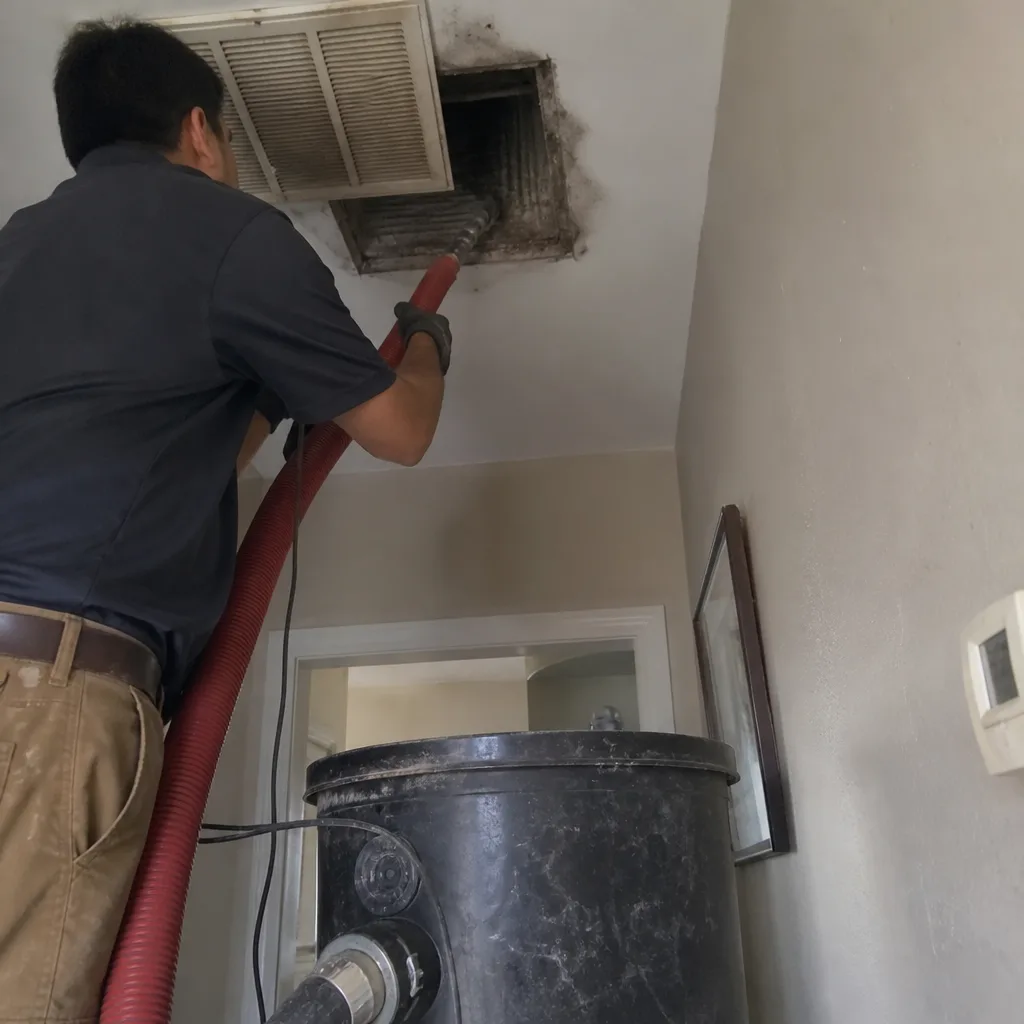
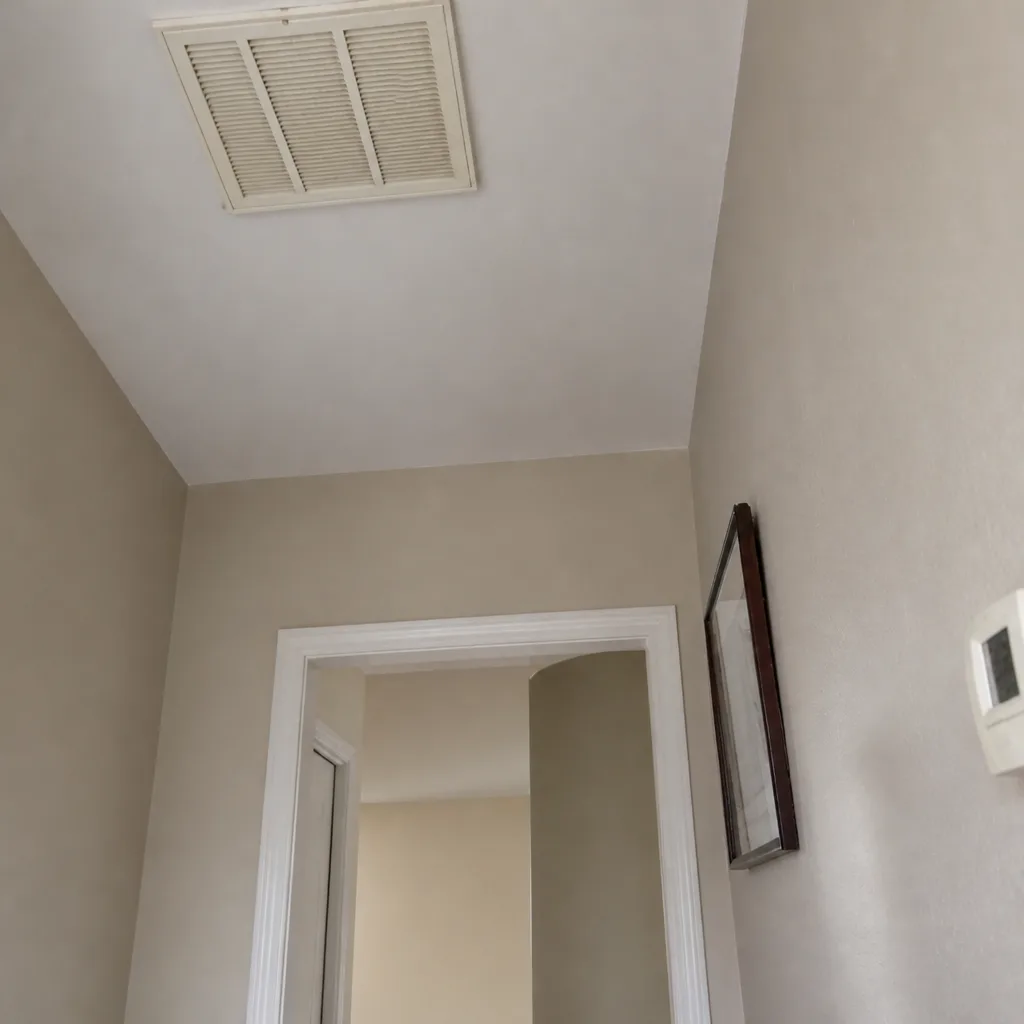
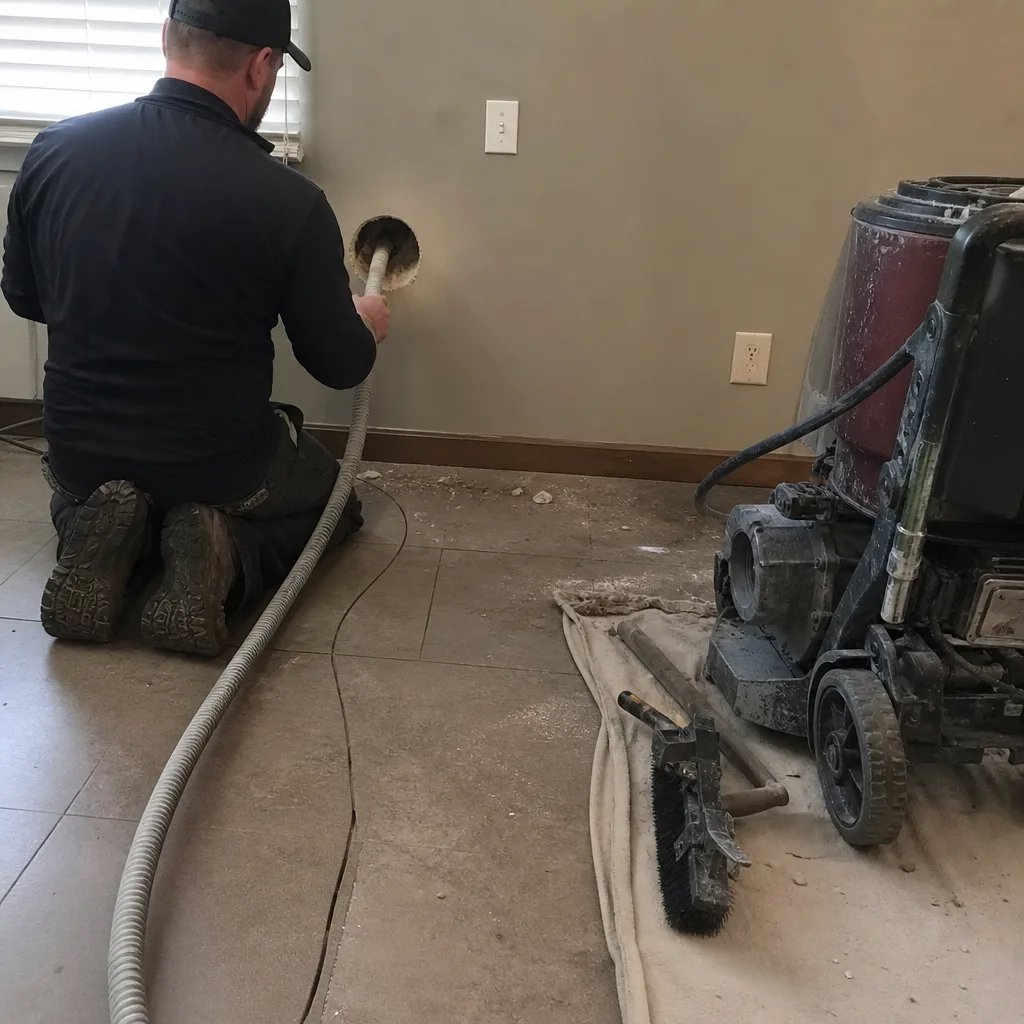
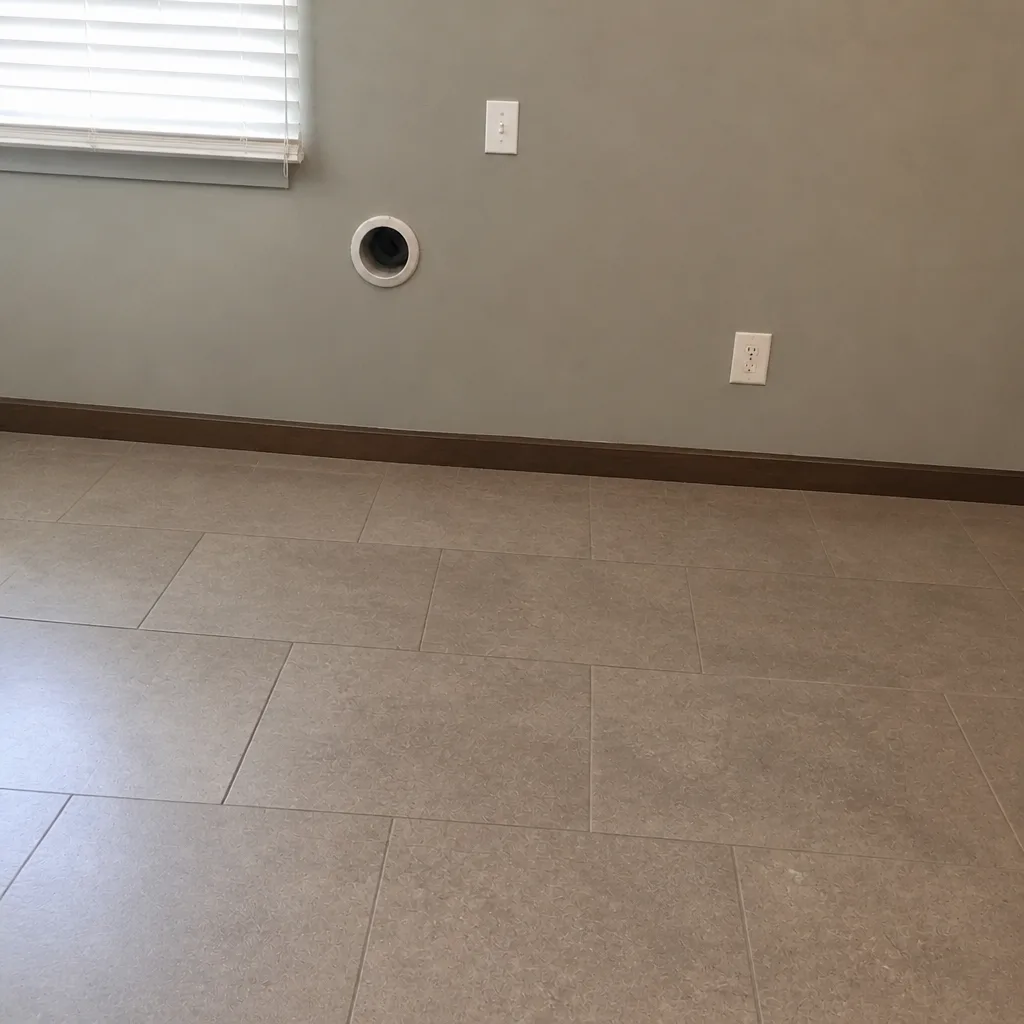
Whole-system duct and dryer vent check with before-and-after photos - you see exactly what came out of your vents
That "$99 whole-house special" is a bait ad - the real number appears once they are in your hallway, or the "clean" is a shop-vac at the register. We photograph the inside of your ducts before and after instead.
Choosing the Right Air Duct Cleaning Brand: A Buyer’s Guide for Abilene
Any contractor can call themselves an air duct cleaning company in Texas. The state doesn’t require a license for this work, and there’s no certification you must hold before you put a name on a truck. What separates a professional-tier operation from a side-hustle setup isn’t the logo or the price. It’s whether the equipment on the job is actually capable of source removal: physically loosening the debris stuck to the duct walls and pulling it out of the system under negative pressure. In this guide, we’ll walk through what professional equipment does mechanically, how to ask questions that reveal whether a contractor really owns and runs it, why duct-and-vent specialists tend to clean better than HVAC generalists, and how to read reviews for Abilene duct cleaning companies without being fooled by a good salesperson.
Quick Answer
The right air duct cleaning brand in Abilene is one that owns and operates professional-grade rotary-brush and HEPA-vacuum systems (Rotobrush and Nikro are the names to look for), runs containment filtration during the job, and can tell you exactly how it extracts debris rather than just blowing it around. Ask what equipment they use, whether they own it or rent it, and how they verify the ducts are clean afterward. A company that answers those three questions specifically, without deflecting to price or a coupon, is operating at a professional tier. A company that can’t name its equipment is not.
Styles & brands we work with
- Whole-home duct cleaning
- Dryer vent cleaning
- Camera inspection
- Sanitizing & deodorizing
Table of Contents
- Why Equipment Is the One Objective Signal in an Unregulated Trade
- What Rotobrush Actually Does to a Duct
- What Nikro HEPA Extraction Does That a Shop-Vac Can’t
- Why Air Filtration During the Job Matters
- Questions That Reveal a Contractor’s Real Equipment Tier
- Equipment Tier vs. Marketing Tier
- Why Duct-and-Vent Specialists Usually Clean Better
- How to Read Abilene Duct Cleaning Reviews Critically
Why Equipment Is the One Objective Signal in an Unregulated Trade
Texas doesn’t license air duct cleaning. There’s no state exam, no required continuing education, no minimum tool investment to hang a shingle. That means the barrier to entry is essentially a phone number and a willingness to show up. In a trade like that, you need a signal you can actually verify, and equipment is the cleanest one available. A proper duct cleaning job requires two capabilities that cheap tools simply don’t have: mechanical agitation strong enough to break debris loose from the duct wall, and high-volume negative pressure strong enough to pull that debris out of the system and trap it. Skip either one and you’ve done nothing useful.
NADCA, the National Air Duct Cleaners Association, publishes standards built around “source removal” – getting the contaminant out of the system, not just stirring it up. That’s the line that separates professionals from pretenders. A leaf blower, a shop-vac, and a length of flexible hose can make noise and move dust around, but they can’t perform source removal at the standard NADCA describes. When we talk with homeowners in Abilene about what a real job looks like, we start with the equipment because it’s the one thing that can’t be faked over the phone.
Here’s the practical consequence: two companies can quote different prices for what sounds like the same service, and the difference often isn’t margin – it’s that one is bringing $20,000 of professional equipment and the other is bringing a consumer vacuum from a hardware store. That’s not a knock on the second crew; it’s just an honest explanation of why the quotes diverge. An older home in Abilene with decades of accumulated dust in the supply trunks needs real agitation and real extraction. Consumer-grade tools can wet a surface but they can’t lift packed debris. Understanding the equipment tier tells you what you’re actually buying.
What Rotobrush Actually Does to a Duct
Rotobrush is a rotary-brush cleaning system. A flexible whip with brush heads spins inside the duct, physically scrubbing the walls at controlled speed while a vacuum pulls loosened debris back toward the collection unit. That scrubbing motion is the mechanical agitation step, and it’s the part most improvised setups skip entirely. Think of the difference between rinsing a dirty pan and scrubbing it – one removes the loose residue, the other removes what’s bonded to the surface.
Duct walls accumulate several kinds of debris, and each behaves differently. Drywall dust from construction settles and cakes. Pet hair and lint mat against the walls and stick. Pollen and fine dust coat everything evenly. In a dry, dusty climate like Abilene’s, that dry particulate layer builds up faster than most homeowners realize, and the fine stuff is the hardest to move with air alone. A rotating brush is engineered specifically for breaking the bond between that layer and the metal or flex duct wall.
What to listen for when you ask a contractor about their rotary equipment:
- Do they own the system, or rent one for jobs? Rental suggests duct cleaning isn’t their primary work.
- Can they describe the brush heads and how they match different duct materials?
- Do they run the rotary brush in every branch line, or only the main trunk?
- Do they follow the brush with extraction, or stop at agitation?
Rotary agitation without extraction just relocates debris downstream. Extraction without agitation leaves the bonded layer in place. The two steps work as a pair, and a company that can explain that pairing clearly is one that actually runs the equipment.
What Nikro HEPA Extraction Does That a Shop-Vac Can’t
Nikro builds HEPA-filtration vacuum systems for professional duct and remediation work. The key word is HEPA: high-efficiency particulate air filtration traps particles far smaller than a standard shop-vac filter catches, and HEPA units are rated for extended runtime under the kind of sustained load a whole-house duct job puts on them. A consumer vacuum motor overheats and its filter clogs long before a full system is done, which means the crew ends up with weak suction in the far rooms – the exact places where debris collects most.
The pairing with Rotobrush matters here. The rotary brush loosens contaminants into the airflow; the Nikro HEPA unit captures them under negative pressure before they escape into the living space. Without that suction, loosened dust can leak out of seams and register boots during the job and settle right back into the room. That’s the failure mode that gives duct cleaning a bad reputation: a crew agitates the ducts but can’t capture the debris, and the homeowner notices dust settling on the furniture afterward. Professional-grade extraction prevents that, and it also protects the technician doing the work.
One more detail worth knowing: a real extraction system pulls the whole duct run under continuous negative pressure while the rotary brush moves through it. That’s the same source-removal principle NADCA describes, implemented with the equipment it requires. If a contractor can’t explain negative pressure or how their vacuum is sealed to the system, that’s a sign they’re working without a true extraction setup.
Why Air Filtration During the Job Matters
Duct cleaning is a dusty job by nature – that’s the point. But a professional operation contains the dust it’s disturbing. Abatement Technologies air filtration units are the same containment-grade equipment used in environmental remediation work, and they run as a secondary layer of protection while the primary extraction system does its job. That means any fine particles that escape the duct system get pulled into a HEPA-filtered unit rather than settling in the room where your family is breathing.
If you or anyone in your household has asthma, allergies, or young children, this layer of containment is worth asking about directly. The question is simple: “Do you run air scrubbers or containment filtration during the job?” If the answer is yes, ask what brand. Abatement Technologies is a name you can verify independently. If the answer is vague – “we’re careful,” “we cover the furniture” – that’s a different tier of operation.
Containment also matters for a less obvious reason. When ducts are genuinely dirty, the cleanup process releases material that’s been sitting in the system, sometimes for years. Without filtration running, the concentration of airborne particles in your home spikes during the job and then settles. Good containment keeps that spike contained and the room air cleaner at the end of the visit than it was at the start. It’s not flashy, but it’s the difference between a professional job and a weekend favor.
Questions That Reveal a Contractor’s Real Equipment Tier
Use the following checklist when you call around Abilene for quotes. The right answers aren’t a script; they’re a level of specificity that only comes from someone who actually runs the equipment. Numbered, question by question:
- “What rotary brush system do you use?” – Acceptable answers name a specific brand or describe the brush mechanism in detail. “We have good brushes” is not an answer.
- “What vacuum do you run, and what’s its filtration rating?” – Look for HEPA and a brand name like Nikro. A shop-vac is not a professional extraction unit.
- “Do you own the equipment or rent it for each job?” – Owning it signals duct cleaning is core work; renting signals it’s a side service.
- “Do you run containment filtration during the job?” – A professional answer names the equipment (Abatement Technologies, for example).
- “How does your crew verify the ducts are actually clean?” – Look for before-and-after photos, video inspection, or a final visual check across all branch lines.
- “Do you clean every supply and return run, or only the main trunk?” – A whole-system job means every branch line gets agitation and extraction.
- “What happens if you find damaged or disconnected ductwork during the cleaning?” – The right answer names repair as part of the work, not as a referral to somebody else.
A contractor who answers these seven questions confidently and specifically is operating at a professional tier. One who gives vague answers or pivots to price is not. We use Rotobrush rotary brush systems, Nikro HEPA extraction, and Abatement Technologies air filtration on our air duct cleaning work, and those three names are exactly the sort of answer you should expect when you ask.
Notice the questions don’t ask about price. Price is the last question, not the first. Ask about equipment first – then when you get to price, you’re comparing two quotes for the same actual service, not two quotes for two different things.
Equipment Tier vs. Marketing Tier
A polished website, a professional logo, a truck wrap, and NADCA membership on the brochure don’t clean ducts. They’re marketing signals, and they’re worth what you pay for them. The signal that matters is the one you can actually verify: what equipment is on the truck, how it’s mounted, and how the technician explains the work. A company with a beautiful marketing presence but no rotary brush and no HEPA extraction is a marketing-tier operation. A company with a plain website and a real Rotobrush and Nikro setup is an equipment-tier operation.
The same goes for price. In an unregulated trade, high prices don’t necessarily indicate quality – sometimes they just indicate a strong sales process. Low prices don’t indicate a bargain either; sometimes they indicate a consumer vacuum and a rented brush. The number on the quote tells you almost nothing about what will actually happen on the job. What tells you is the equipment list and the method.
NADCA membership is a good sign, because it means the company has at least committed to the trade association’s standards on paper. But membership itself is not the standard; the standard is the work. Read what the company says it uses, ask follow-up questions, and match the answers against the two capabilities every real duct cleaning job requires: mechanical agitation and negative-pressure extraction. If both are present and clearly described, you’re looking at an equipment-tier contractor regardless of how the marketing reads. That’s the test we’d want a homeowner to apply to us.
Why Duct-and-Vent Specialists Usually Clean Better
An HVAC generalist isn’t incompetent – far from it. A good HVAC contractor understands airflow, refrigeration, duct sizing, and system balancing better than most duct-cleaning-only operations ever will. But duct cleaning is a secondary service for them, and equipment investment reflects that. A company that installs furnaces for a living can’t justify spending the same on rotary and extraction equipment as a company that does duct work every day. That’s simple economics, and it’s not a critique of the generalist; it’s an explanation of why the equipment tier usually tilts toward specialists.
Specialists focus on one thing: moving cleaner air through the home. That focus has practical consequences:
- Specialists invest in full rotary-brush and HEPA systems because that’s the core of their work.
- They run containment filtration because source removal without it wastes the investment.
- They clean every branch line rather than just the visible trunk.
- They can repair damaged or disconnected ductwork discovered during cleaning, rather than referring it out.
- Their pricing reflects the actual work, not a bundle discount attached to a bigger HVAC install.
A specialist also handles the parts of a home’s air pathway that generalists typically skip. dryer vent cleaning is a good example – it’s a fire hazard the U.S. Fire Administration has documented as responsible for thousands of residential fires annually, and it’s still frequently overlooked because it isn’t part of a standard HVAC service call. In a dry, windy climate like Abilene’s, lint buildup in a dryer vent is one of the more common hazards a specialist finds. A generalist won’t look at it unless you ask. A specialist treats it as core work.
How to Read Abilene Duct Cleaning Reviews Critically
Reviews are useful if you read them for method, not mood. The reviews that actually tell you about a company’s quality describe specific work: which rooms got attention, whether before-and-after photos were shared, whether the technician explained the equipment, whether the crew found and addressed a problem like a disconnected duct or a packed dryer vent. Reviews that just say “great service, very professional” tell you the sales process was good, not the equipment. Read for detail; discount the fluff.
Complaints deserve even more attention, because they reveal failure modes. Watch for patterns that point to equipment or method failures:
- “Dust everywhere afterward.” – Suggests extraction was weak or containment filtration wasn’t run.
- “They didn’t actually clean the far rooms.” – Points to a crew that only scrubbed the visible trunk.
- “The price went up when they got here.” – Suggests bait-and-switch or an upsell business model.
- “Never saw the equipment, just a shop-vac.” – Direct equipment-tier signal.
- “No photos or proof it was done.” – Before-and-after photos are the simplest way to verify a job was real.
You can also read a lot from the questions a reviewer says the company asked. A crew that arrived and probed for problems – a disconnected duct, a clogged dryer vent, moisture in the system – is a crew that understands the whole air pathway. A crew that arrived, hooked up a tool, and left with no conversation is not. When you read reviews for Abilene duct cleaning companies, look for reviewers who describe what the technicians actually did, not how pleasant they were. Both matter, but only one tells you about the work.
Common Mistakes to Avoid
- Choosing on price alone. The cheapest quote usually means the cheapest equipment. In a trade with no licensing requirement, price is the least reliable signal you have.
- Assuming a big HVAC brand means better cleaning. A furnace installer’s duct cleaning service is a side job with side-job equipment. Ask what system they run, not what other work they do.
- Skipping the “does the price include every vent” question. Some quotes cover only the main trunk lines. In a large Abilene home with dozens of runs, that leaves most of the system untouched.
- Not asking about containment filtration. Without HEPA air filtration running during the job, loosened dust can settle right back into the living space. Ask the question directly.
- Ignoring the dryer vent. It’s part of the home’s air pathway, it plugs with lint, and the U.S. Fire Administration ties it to thousands of residential fires annually. If your contractor doesn’t do it, that’s a gap.
- Believing a “before cleaning” photo without an “after.” A professional shows you both, in the same room, on the same duct run. Anything less is a marketing photograph.
- Assuming a low coupon price is the total price. If the quoted number doesn’t cover every run and every branch, the final invoice will be substantially larger than the teaser.
See the difference
 Before
 After
 Before
 After
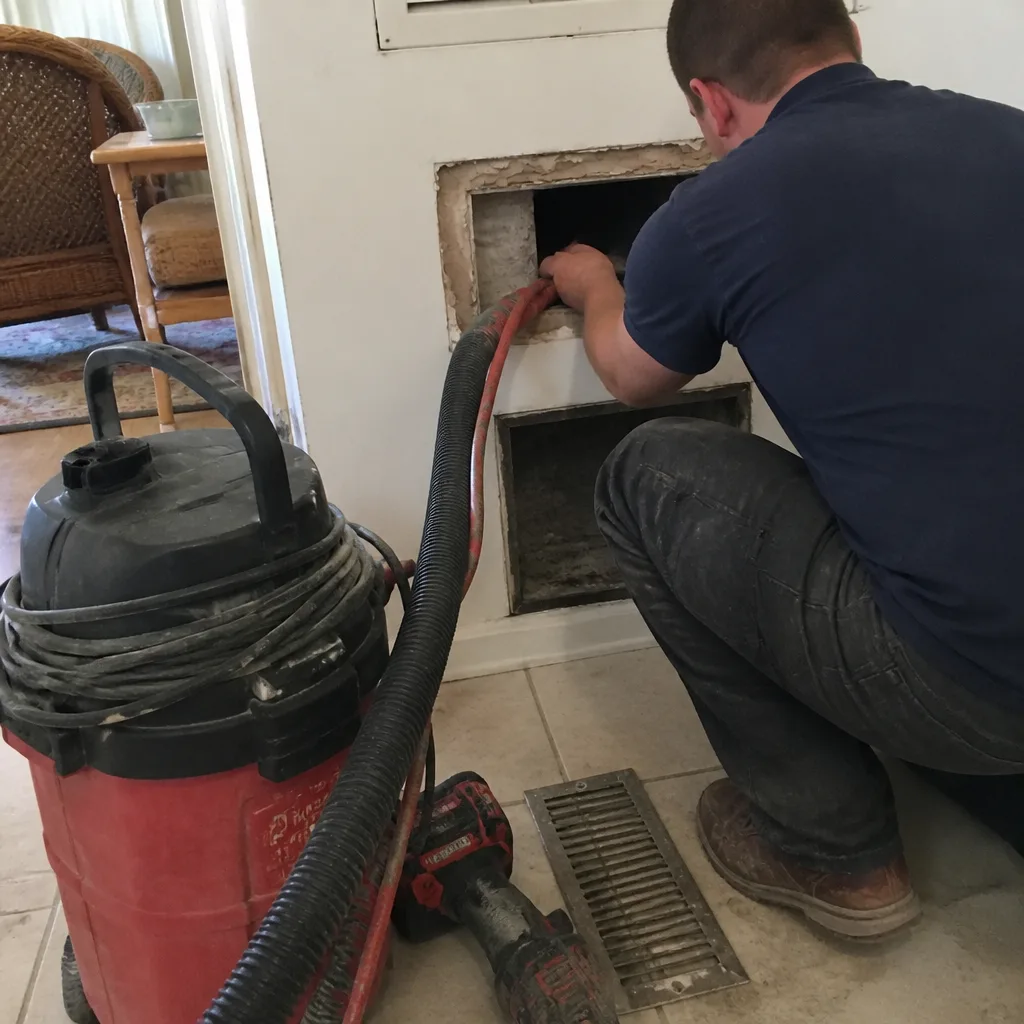 Before
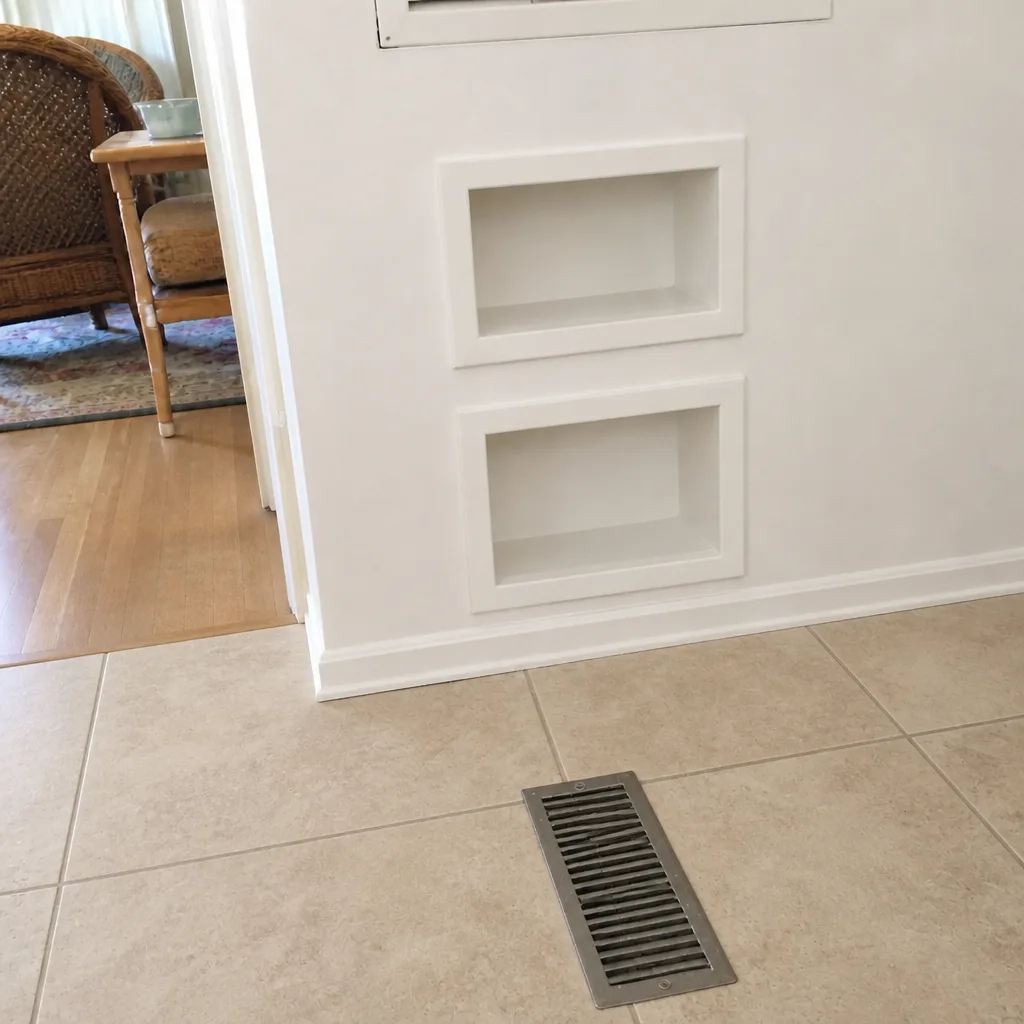 After
When to Call a Professional
Some situations call for a professional in Abilene specifically. If you’ve just bought an older home and don’t know when the ducts were last cleaned, a professional inspection is worth it. If anyone in the household has asthma or allergies, or if you’ve recently completed a renovation, source removal is the right move. If you notice musty smells when the HVAC kicks on, visible dust blowing from registers, or unusually high dust levels in rooms after a system cycle, that’s a sign of buildup worth checking. And if your dryer is taking longer to dry clothes, or you haven’t had the dryer vent cleaned in years, that’s a hazard worth addressing promptly.
Duct Cleaning Abilene offers free estimates in Abilene – call (888) 618-8972. Our technicians have up to 12 years of experience, and every job is set per job by the written estimate agreed before work begins. We answer 24/7, and fast dispatch runs from 7am to 7pm, Sunday through Friday.
Frequently Asked Questions
Pricing depends on the size of the system, the number of runs, and what’s actually found when the technician inspects the ducts. Because we set one flat price per system agreed before work starts, there are no per-vent charges and no surprise additions. Call (888) 618-8972 for an exact quote – estimates are free.
Cheaper quotes are almost always attached to lighter equipment and a narrower scope: consumer vacuums instead of HEPA extraction, a shop-brush instead of a rotary system, and only the main trunk instead of every branch line. It isn’t a discount – it’s a different job. The honest way to compare quotes is to ask what equipment each company runs and what the price actually covers.
Ask for before-and-after photos of your own ducts – not stock images. A professional crew shows you the actual runs, in your home, before and after cleaning. Ask also how they verify that every branch line got agitation and extraction, not just the visible trunk. If a company won’t provide photo evidence, that’s a red flag. Call (888) 618-8972 if you’d like to talk through what a proper verification looks like.
For most homes, every three to five years is a reasonable interval, and some homes need less. Homes with pets, recent renovations, allergy sufferers, or heavy use of the HVAC system may need it more often. In Abilene’s dry, dusty climate, fine particulate builds up faster than many homeowners expect, so an inspection every few years is worth the time.
Yes – Rotobrush rotary-brush cleaning systems and Nikro HEPA vacuum extraction are both professional-grade tools used by commercial HVAC contractors. We also run Abatement Technologies containment filtration during the job, the same grade of air scrubber used in environmental remediation work. Those are the tools the work requires, and they’re what you should be asking every contractor about.
Yes. Duct Cleaning Abilene offers air duct repair as a standalone service, so problems found during a cleaning – disconnected sections, torn flex duct, leaking joints – can be corrected in the same service relationship without calling a separate contractor. If you already know your ducts have an issue, we can quote the repair on its own. Call (888) 618-8972.
The Bottom Line
The right Abilene duct cleaning company isn’t the one with the best website or the lowest quote. It’s the one whose equipment can actually perform source removal: rotary agitation plus HEPA extraction, with containment filtration running during the job. Ask the seven questions. Read reviews for method, not mood. Watch for complaints that point to equipment or scope failures. Prefer specialists over generalists when the job is duct work. And remember that in an unregulated trade, the equipment tier is the one thing that can’t be faked. If the answers are specific and the before-and-after photos are real, you’ve found a professional.
If you’d like to talk through what your home needs, call Duct Cleaning Abilene at (888) 618-8972 for a free estimate. We set one flat price per system agreed before work starts, and we provide before-and-after photos of your own ducts so you can see the work that was done. We answer 24/7. Fast dispatch from 7am to 7pm, Sunday through Friday.
Written by the team at Duct Cleaning Abilene.