
Last updated November 16, 2026
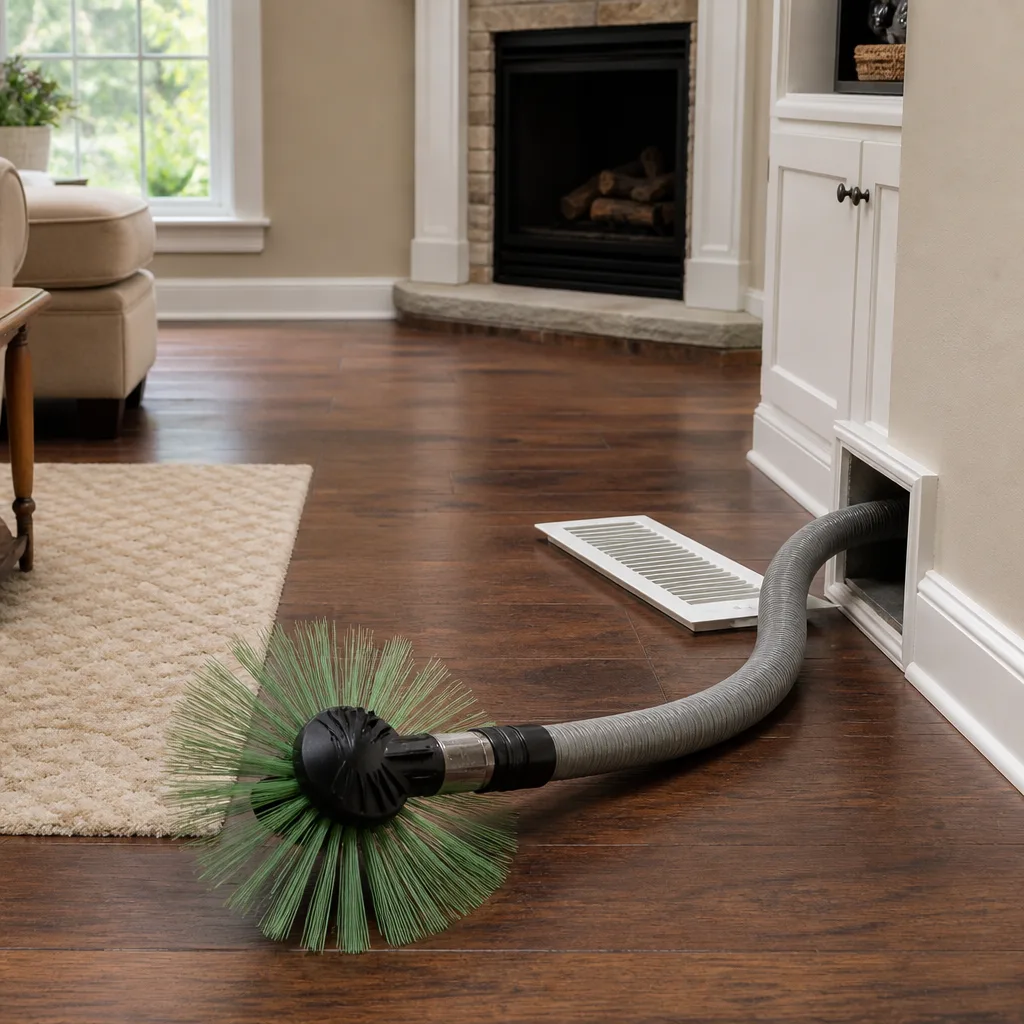 Whole-home duct cleaning
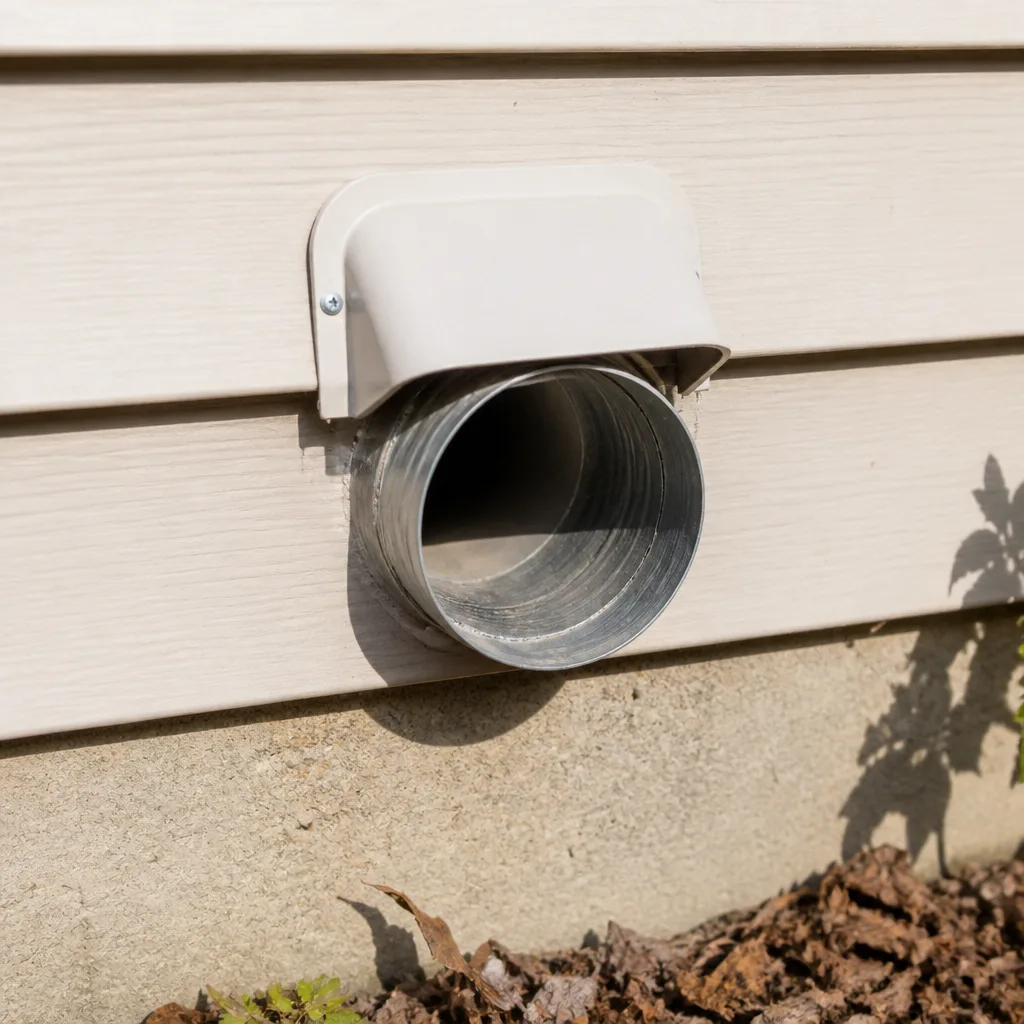 Dryer vent cleaning
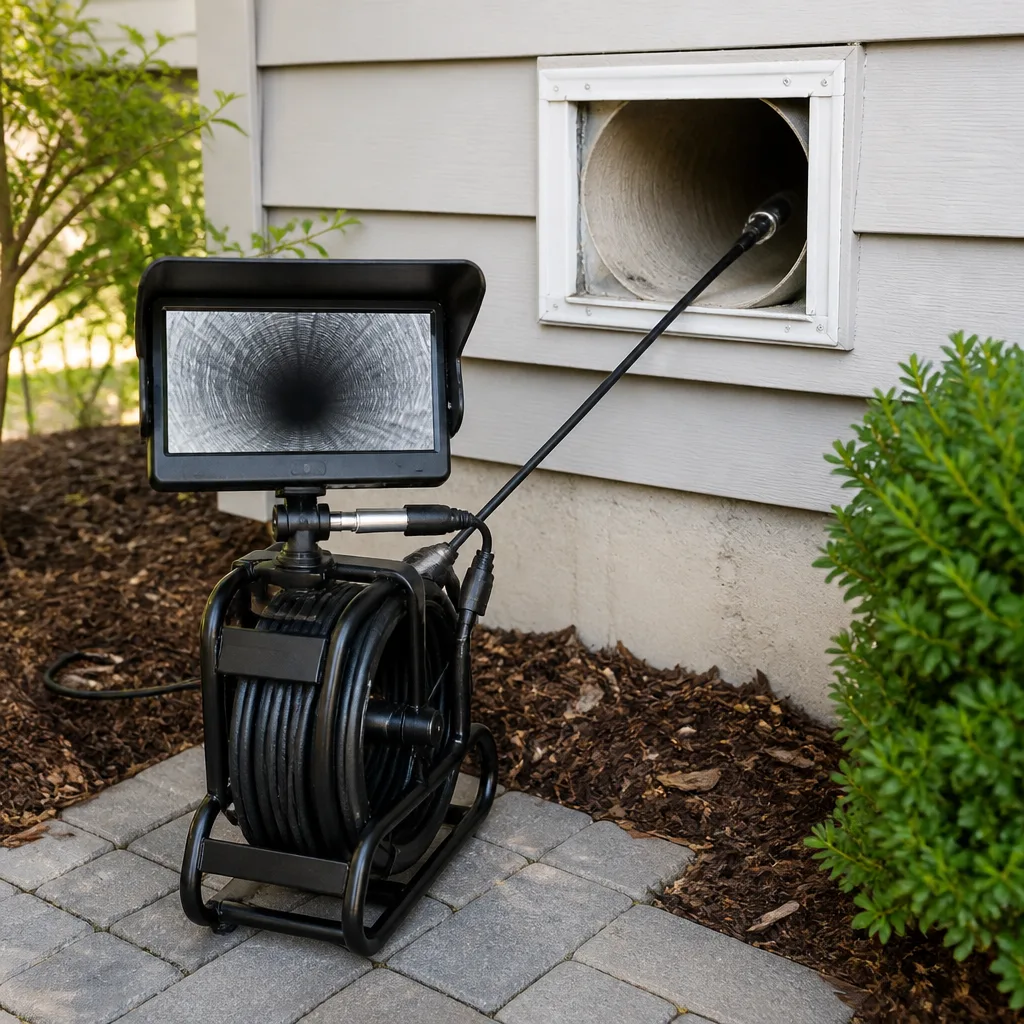 Camera inspection
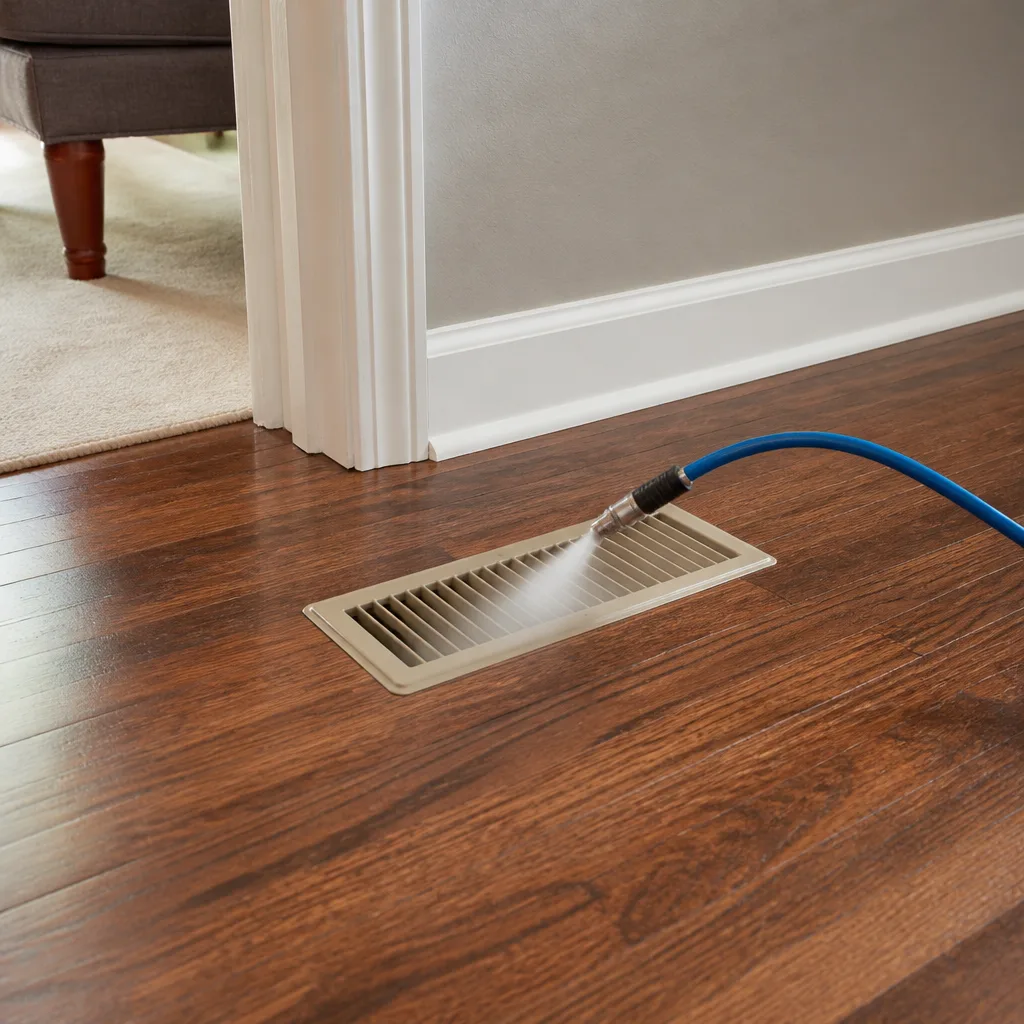 Sanitizing & deodorizing
Whole-system duct and dryer vent check with before-and-after photos - you see exactly what came out of your vents
That "$99 whole-house special" is a bait ad - the real number appears once they are in your hallway, or the "clean" is a shop-vac at the register. We photograph the inside of your ducts before and after instead.
Air Duct Cleaning Warning Signs: An Abilene Homeowner’s Reference Guide
When one room in your house runs hot no matter the season, the instinct is to blame the air conditioner. It’s the biggest piece of equipment on the property, so it feels like the obvious suspect. But uneven airflow usually traces back to the ductwork, not the machinery. The air handler can be running exactly to spec while the ducts feeding your back bedroom are pinched, leaking, or lined with debris. In our experience across Abilene, homeowners often replace good equipment before anyone has looked inside the ducts. That order is backward. This guide walks through the airflow signals, the visible and smell-based clues, the diagnostic steps you can take, and the Abilene-specific triggers that should send a house onto a cleaning and inspection schedule.
Quick Answer
The main warning signs of dirty or restricted ducts are uneven room temperatures, weak airflow at registers, longer run cycles on the HVAC system, grey or black streaks around grilles, and musty odors that return after cleaning. You should schedule an inspection when those signs persist after a filter change, or after a renovation, pest treatment, dust storm, or a home purchase with no cleaning history. Most clogs are fixable with cleaning or repair rather than new equipment.
Styles & brands we work with
- Whole-home duct cleaning
- Dryer vent cleaning
- Camera inspection
- Sanitizing & deodorizing
Table of Contents
- Airflow Signals That Point to Restricted Ducts
- What Your Registers Are Telling You
- Duct Problem or Equipment Problem? A Homeowner Diagnostic
- Abilene Triggers That Warrant Inspection Even Without Symptoms
- Smells That Mean More Than a Cleaning Is Needed
- How Often Ducts Should Be Cleaned in an Abilene Home
- Common Mistakes to Avoid
- When to Call a Professional
Airflow Signals That Point to Restricted Ducts
The airflow indicators are the ones most often misread. They appear gradually, so the house adapts slowly and the individual clues feel isolated. Look for all three together, because a single one on its own is weak evidence.
Uneven room temperatures. A room at the end of the longest duct run is always going to be a little harder to condition. That’s normal. But if the gap between your coolest and warmest rooms is 4 degrees or more, restriction or leakage is the likeliest cause. Debris reduces the duct’s cross-section, so less air makes it downstream, and that room loses the race.
Weak supply pressure at registers. Put your hand up to a supply grille. Airflow should feel steady and strong enough to move a tissue. If air is drifting rather than pushing, the line feeding it is either restricted by debris, collapsed, disconnected, or leaking at a joint.
Longer run cycles. When ducts are restricted, the air handler moves less air per unit of time. It runs longer because the house isn’t reaching setpoint as quickly. Longer cycles push energy bills up and put hours on the equipment prematurely.
We’ve found that this pattern gets blamed on an aging compressor. But the compressor can only circulate what the ducts deliver. An air duct cleaning visit that agitates and extracts debris with a professional rotary-brush and HEPA system is often the cheaper first move, and it’s the one that reveals whether the equipment is actually at fault.
What Your Registers Are Telling You
Registers and return grilles are the visible face of your duct system. What’s on them usually speaks to a specific cause. The color and texture of the film matters.
- Grey, even dust film. This is normal accumulation. All ductwork collects fine dust over time because filters aren’t perfect. If it’s uniform and light, dust isn’t yet a problem worth chasing. If it’s thick enough to smear when you run a finger across a supply grille, the ducts are overdue.
- Black streaking or spotting. This is the one to take seriously. Dark streaks around the register or the return usually point to filter bypass (air getting around the filter instead of through it), or to biological growth in a damp section of ductwork. Both call for inspection, not just cleaning.
- Oily residue or a tacky feel. Greasy film around registers near the kitchen points to cooking aerosol that never got trapped at the filter. If the film is oily in rooms far from the kitchen, it can also indicate combustion by-products finding a path into the return air.
- Visible debris on the grille face. You should never see debris drop from a register when the system cycles on. If you do, the line serving it is heavier than the grille can hold.
In Abilene, the dry season is the culprit for a lot of grey dust. Fine dust hangs in the air longer, settles into returns, and gets pulled into the duct system where it builds up with each cooling season. A home near the edges of town where the ground stays bare gets more of this than one with a mature lawn and heavy tree shade.
Duct Problem or Equipment Problem? A Homeowner Diagnostic
Before you call anyone to quote an HVAC replacement, take 30 minutes to narrow the field yourself. You’re not opening ducts or touching wiring. You’re gathering evidence that any honest contractor or cleaning company can work from.
- Change the filter. Put in a clean filter of the correct size, note the date, and give the system a day to run. If airflow improves noticeably across the house, restriction was partly filter-driven. If only some rooms improve, you likely have duct issues too.
- Measure at registers. Use a cheap anemometer or just your hand. Check every supply in the house on the same day. A house that’s mostly strong with one or two weak rooms points to duct restriction in the branches feeding those rooms.
- Compare return suction. Hold a tissue to the return grille with the fan on. Strong suction is good. Weak suction on the return (with a clean filter in place) suggests the return path is restricted or undersized.
- Listen for noise. Whistling at a register means velocity is too high in a duct that’s too small or restricted. Banging or popping when the fan starts points to undersized or crushed duct runs.
- Check the outdoor unit for obvious flags. A dirty condenser coil, frozen refrigerant lines, or a compressor that trips (which you should never troubleshoot on your own) are equipment symptoms that need an HVAC tech, not a duct cleaning.
If your registers show restricted or weak airflow and the outside unit looks clean and runs normally, the evidence points to the ductwork. That’s the scenario where a duct inspection comes first.
Abilene Triggers That Warrant Inspection Even Without Symptoms
Some things happen to a house that put it on an inspection schedule regardless of whether anything feels wrong yet. If any of the following applies to your home, schedule an inspection even if the airflow feels fine.
- Recent renovation. Drywall dust, insulation fibers, and construction debris get pushed through the whole system once the air handler comes on. Drywall dust is fine and it travels everywhere. A duct cleaning after a major remodel is standard, not a sales pitch.
- Pest treatment. Whether it was a routine treatment for insects or a larger job for rodents, particles and pest-luring scents can end up in ductwork. A dedicated inspection after treatment is worth doing, especially if the house smells different afterward.
- A major dust storm. Abilene sits in a region where the wind carries a lot of fine particulate. After a heavy dust event, returns and supply grilles catch more than usual. A full cleaning isn’t always warranted, but an inspection is a reasonable call.
- Buying an older home with no cleaning history. The prior owner may never have had the ducts cleaned. An inspection gives you a baseline, and it will show how much debris is really there before you replace any equipment.
- Dryer that takes two cycles to dry a load. This is a dryer vent symptom, not a duct symptom, but it belongs on the same inspection list. A dryer vent cleaning addresses a lint buildup that the U.S. Fire Administration identifies as a leading cause of residential fires. Don’t skip it because the ducts seem fine.
Any of these triggers in an Abilene home is worth acting on. Ducts that look fine often still carry a heavier debris load than the homeowner expects once we open them up.
Smells That Mean More Than a Cleaning Is Needed
Smell is the duct signal that a homeowner should never wait on. Where dust signals a cleaning, odor signals the need to find a cause. Three distinct smells mean three distinct problems.
- Musty or damp smell. This one usually points to biological growth in a duct or plenum that’s been damp. Sometimes it’s a filter that’s been wet. Sometimes it’s condensation around a coil that never drained. Cleaning alone won’t fix it if the moisture source is still active. The inspection has to find where the moisture is coming from before any duct cleaning means anything.
- Burning or hot-plastic smell. This is a safety signal. A smell of scorched insulation or hot plastic coming from vents can mean electrical wiring in a duct run is heating up, or that a component near the air handler is failing. Turn the system off at the thermostat and have it checked by an HVAC tech before you run it again. Don’t wait for the smell to “settle in.”
- Chemical smell. This can point to off-gassing from a treatment applied earlier (pest-control fogger, paint, adhesive) that got pulled into the return. Duct cleaning alone may not fix it because the source is the treatment itself. A professional inspection can confirm whether it’s duct-borne or coming from elsewhere in the house.
If the smell comes back right after cleaning, the duct itself isn’t the problem. Something is keeping the smell alive, and meeting that condition is the actual job.
How Often Ducts Should Be Cleaned in an Abilene Home
There’s no universal schedule. Duct cleaning is triggered by conditions, not by a calendar. The honest answer is that most homes in this city land in one of two groups.
For a home with normal occupancy, no pets, no allergy issues, and no renovation history, cleaning every few years is a reasonable interval. Many homes go longer, and that’s fine if the signs in this guide say everything is healthy.
For a home with pets, allergy or asthma sufferers, recent pets, or a child in the house, a shorter interval makes sense. Filtration upgrades help bridge the gap.
We often recommend pairing cleaning with a filter or air-quality upgrade so the system stays cleaner longer. That’s where brands like Honeywell and Aprilaire come in: they make filtration and fresh-air components added to the system, and they’re names most homeowners recognize. A better filter configuration at the return is the cheapest change that reduces how quickly the ducts refill with debris.
Two mechanical notes matter for Abilene homes in particular. First, the return path is usually the biggest source of debris. If the return has no filter grille, adding one is worth discussing. Second, if a filter has been crushed or run past its service life for years, a cleaning is overdue whether the calendar says so or not. That’s not a maintenance-plan upsell. It’s just how the physics work.
Common Mistakes to Avoid
- Blaming the AC first. When a room is hot, homeowners assume the compressor is failing. Before any equipment quote, get the ducts inspected. It costs less and frequently reveals the actual problem.
- Trusting a low teaser price. Ads offering duct cleaning for a very low whole-house price often end with a much larger invoice once the technician is on-site. A professional-grade job priced honestly by the whole system is more predictable than a coupon.
- Skipping the dryer vent. Most homeowners never think about the dryer vent until it fails. Lint buildup in the dryer vent is a fire hazard, and a dryer vent cleaning is one of the simplest services you can add while other duct work is happening.
- Assuming cleaning fixes smells. If the smell is musty after cleaning, the moisture source is still active. Cleaning the duct without finding the moisture source is a ticket to the same complaint in 3 months.
- Using a shop-vac on registers. Consumer vacuums don’t have the suction or the containment to pull debris out of ductwork. They just disturb it and the debris goes right back into the air. Rotobrush systems agitate the duct surface and Nikro HEPA vacuums extract under containment, which is why professional equipment matters.
- Ignoring damaged ductwork. A cleaning visit that reveals crushed, disconnected, or leaking duct runs may need duct repair as well as cleaning. Duct-cleaning-only companies often can’t handle the repair. Ask for both.
- Cleaning ducts in a house with an unresolved moisture problem. If the ducts show black streaking or a persistent musty smell, address the moisture first. Cleaning a damp duct and leaving the water source is just a reset button.
When to Call a Professional
Call a professional when you have two or more of the airflow signs together, when a room runs 4 or more degrees off the rest of the house, when a black streak appears at a register, when a musty smell returns after cleaning, when a burning smell appears anywhere in the house, or when any of the Abilene triggers in this guide applies (renovation, pest treatment, dust storm, new-to-you home with no cleaning history). You don’t need all of them. Two is enough to justify a look.
We answer 24/7. Fast dispatch is available 7am to 7pm, Sunday through Friday. Our technicians have up to 12 years of experience, and we use Rotobrush and Nikro equipment plus Abatement Technologies filtration during every job. Duct Cleaning Abilene offers free estimates in Abilene. Call (888) 618-8972.
See the difference
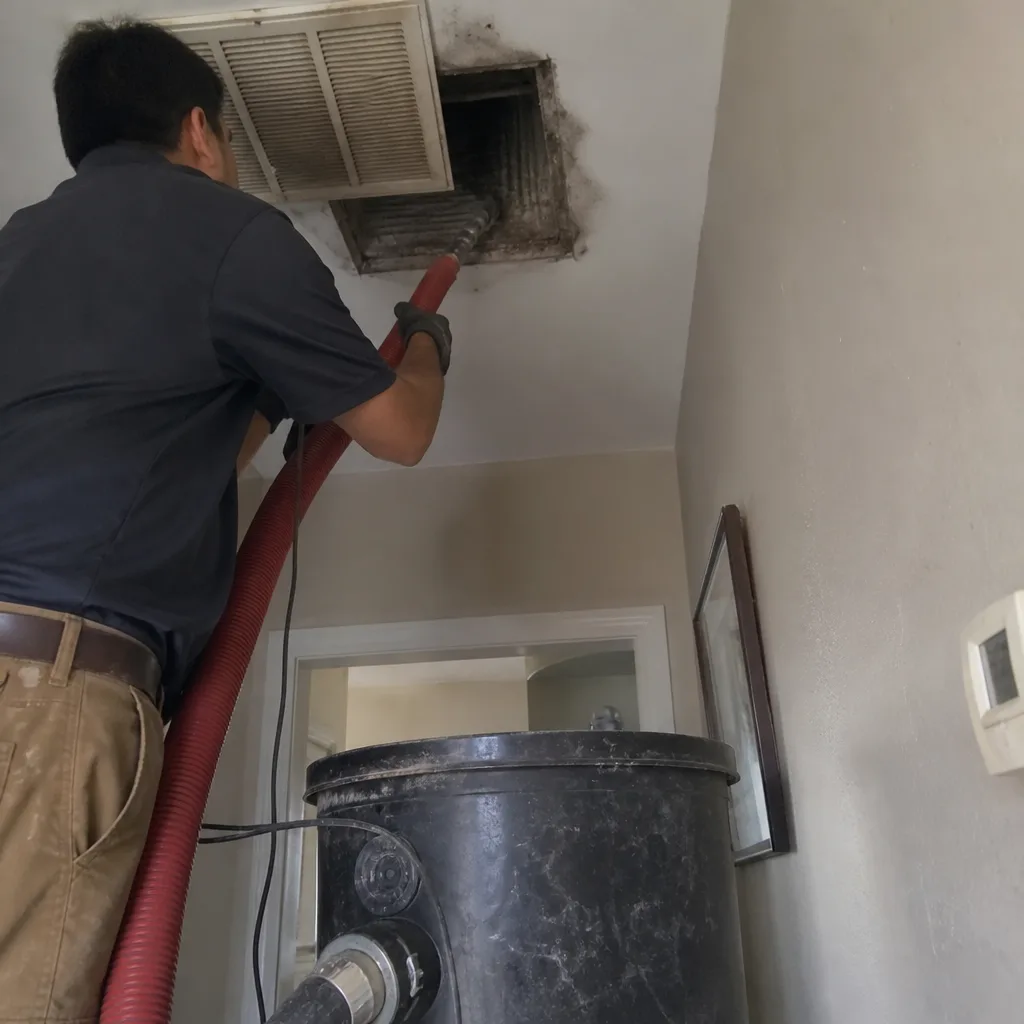 Before
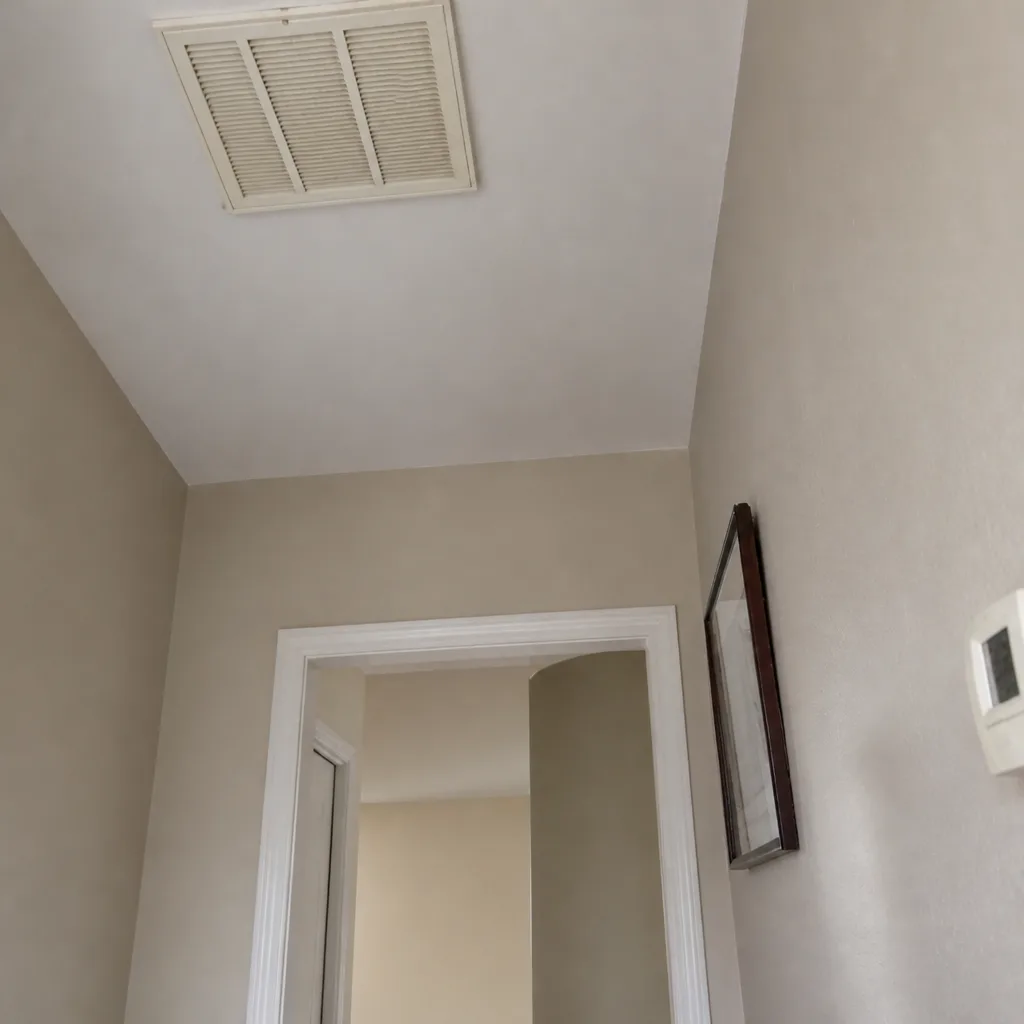 After
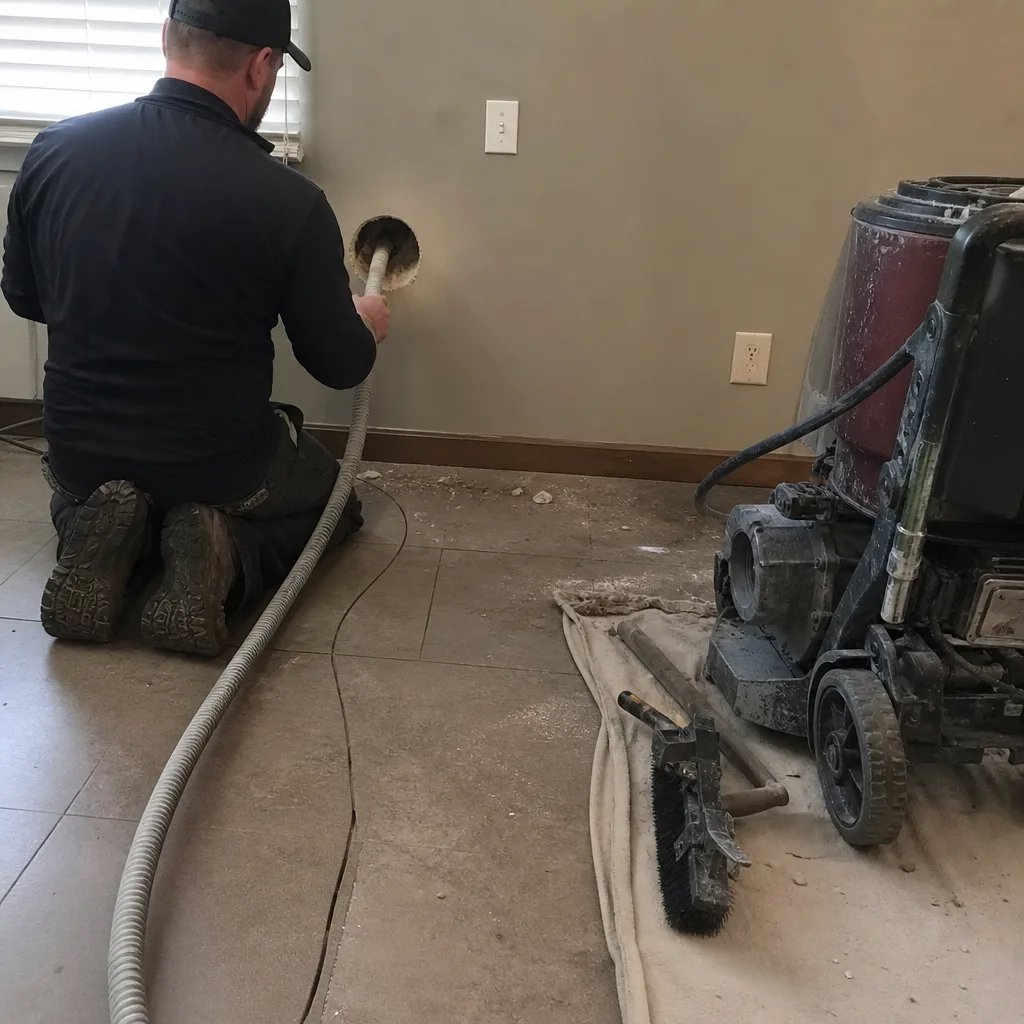 Before
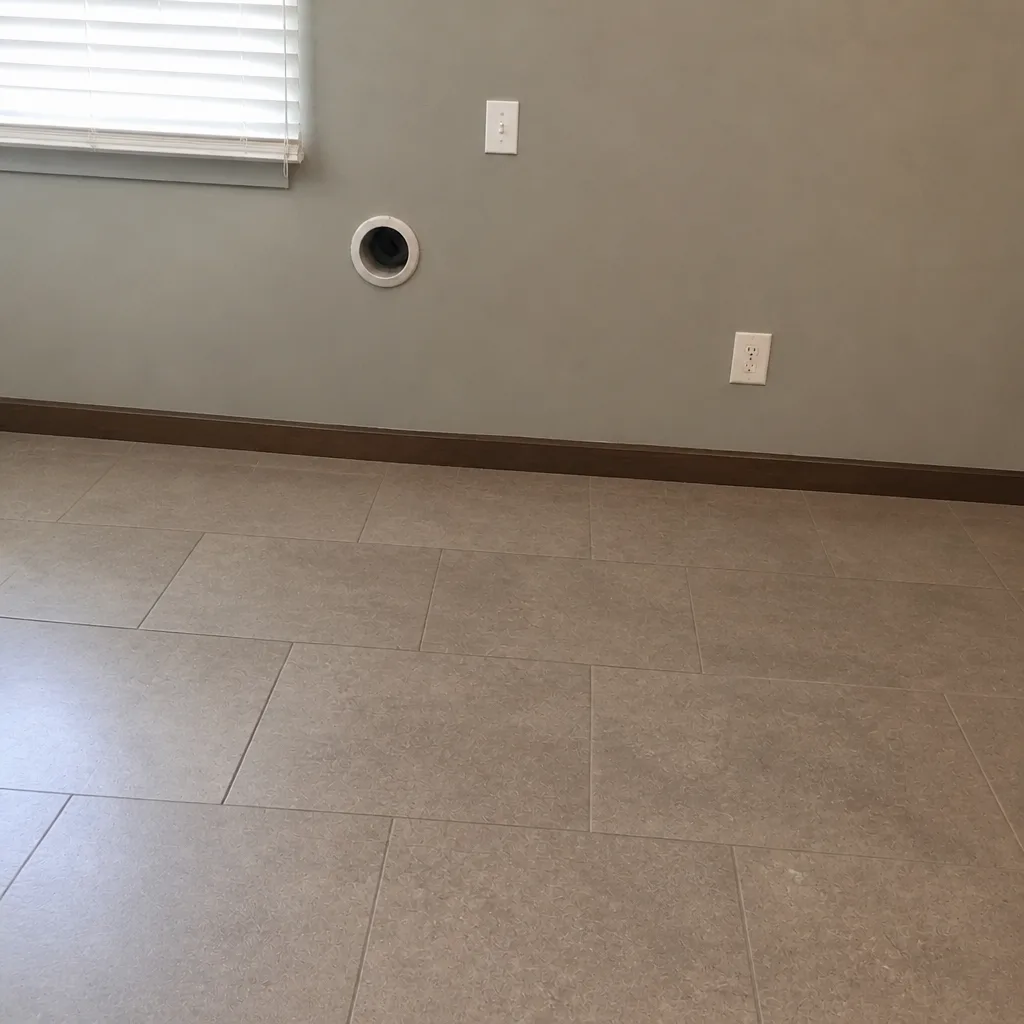 After
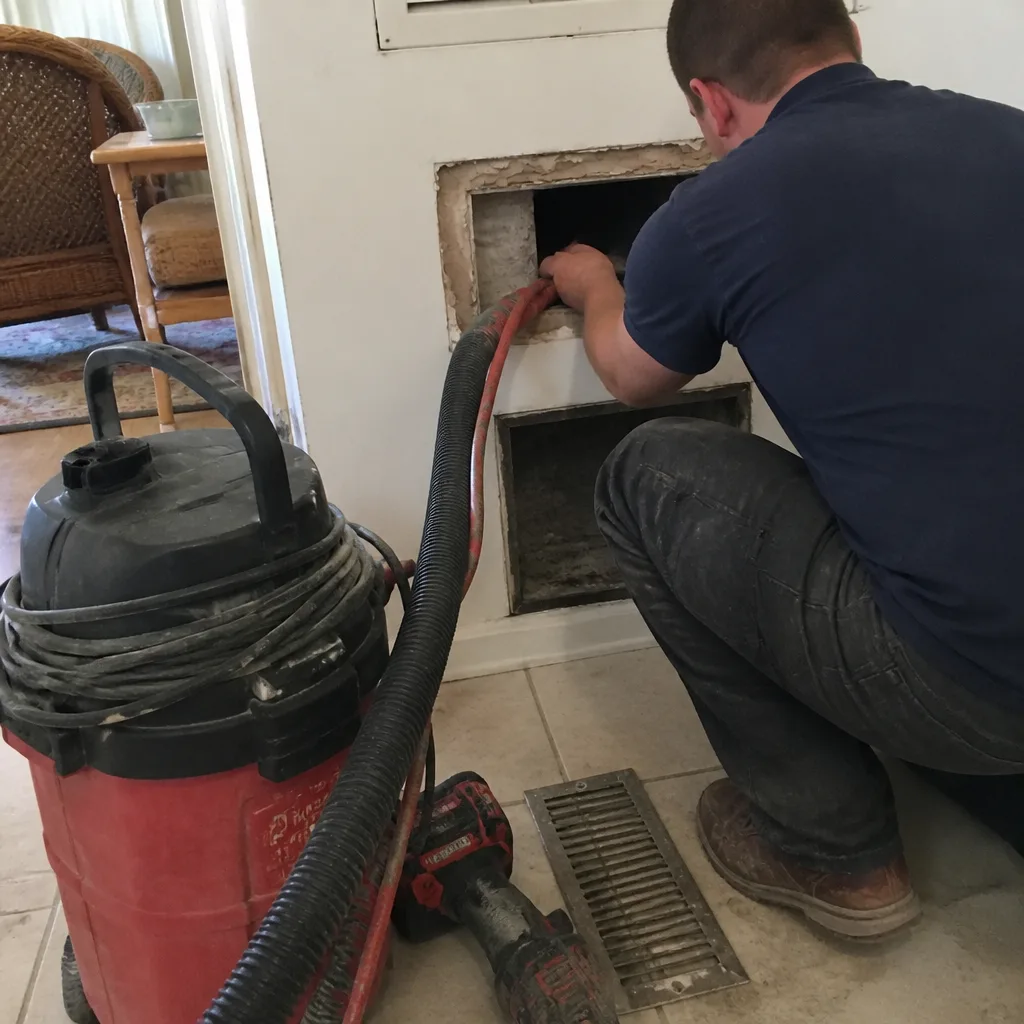 Before
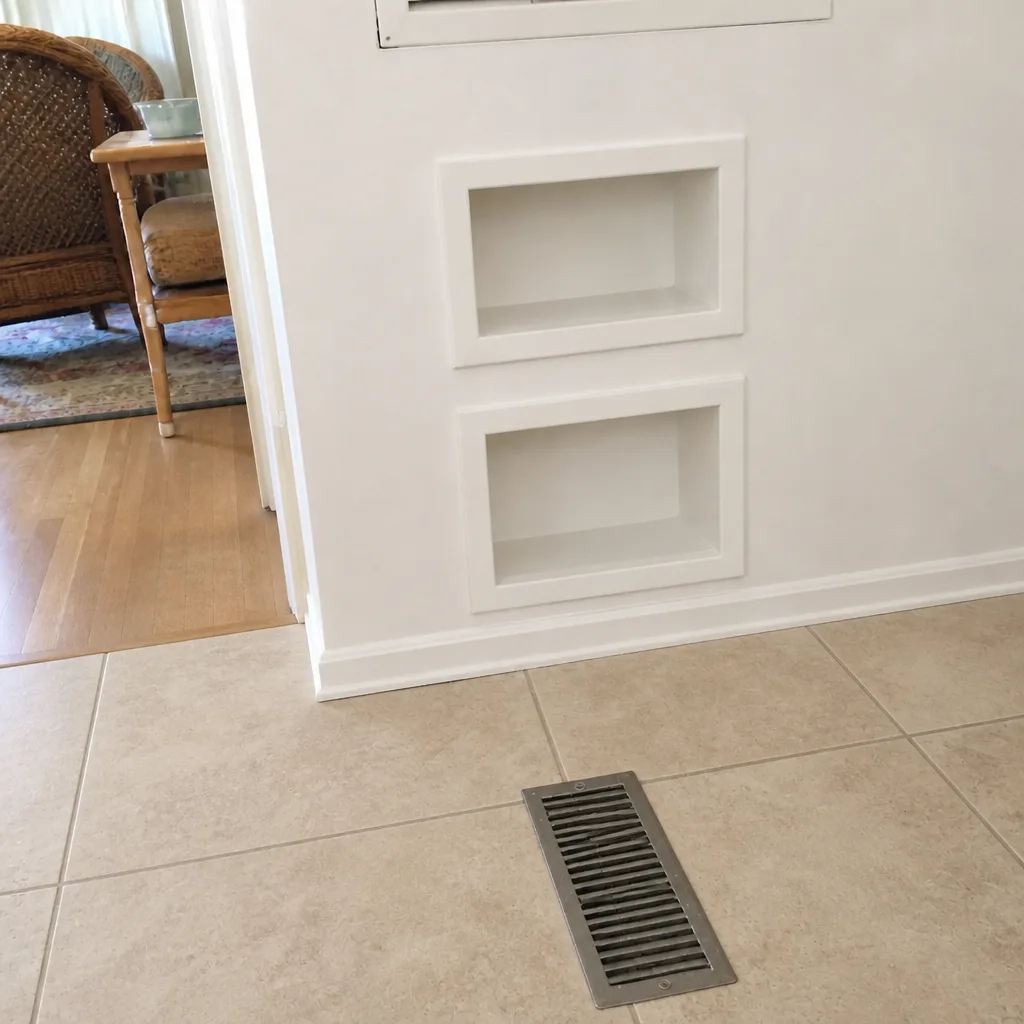 After
Frequently Asked Questions
Uneven room temperatures, weak airflow at registers, and longer run cycles are the three most common signs. Registers telling the story with black streaks, oily residue, or a thick grey film are also frequent. Because Abilene’s dust season is long, many homes show grey-film accumulation faster than they would in a wetter climate.
Change the filter, measure weak rooms at the register, and check the outside unit. If the outside unit is clean and the compressor runs normally but the airflow is uneven, the problem is in the ducts. Call (888) 618-8972 if you want a professional inspection before committing to equipment work.
Most whole-house duct cleanings in Abilene land in the range of a few hundred to just over a thousand dollars depending on the size of the system and how many branches need cleaning. Duct repair, if it’s needed, is quoted separately. We provide a free estimate and a written price before any work starts. Call (888) 618-8972 for an exact quote.
A low headline price is usually per-vent or per-register, so the “whole house” price climbs quickly once the technician is on-site and quoting each branch separately. A professional-grade job priced for the whole system is more predictable. Ask for a whole-system written estimate, not a per-vent number, and don’t hesitate to ask what equipment the company will actually bring.
For a home with no pets and no allergy issues, every few years is reasonable. Homes with pets, asthma or allergy sufferers, or recent renovation history need it more often. Add a quality filter at the return (Honeywell and Aprilaire are good starting points) and the ducts stay cleaner longer between cleanings. Call (888) 618-8972 if you’re not sure where your home falls.
Yes, marginally. West Texas wind carries a lot of fine particulate, and homes near bare ground or construction catch more of it. A dust storm isn’t a reason to panic-clean, but it is a reason to inspect. An inspection after a heavy dust event is a sensible, low-cost step. Call (888) 618-8972 to schedule one.
The Bottom Line
Duct warning signs are rarely dramatic. They show up as a hot room, a weak register, a longer run cycle, or a smell that keeps coming back. The fix is usually the ductwork, not the equipment. If you have two or more of the signs in this guide, if a renovation, pest treatment, dust storm, or home purchase applies to you, or if a musty, burning, or chemical smell appears, schedule an inspection before you replace anything. The duct cleaning service in Abilene we run is a focused one, and the Abilene service area we cover is where we work. Call (888) 618-8972 for a free estimate.
Written by the team at Duct Cleaning Abilene.