
Last updated November 16, 2026
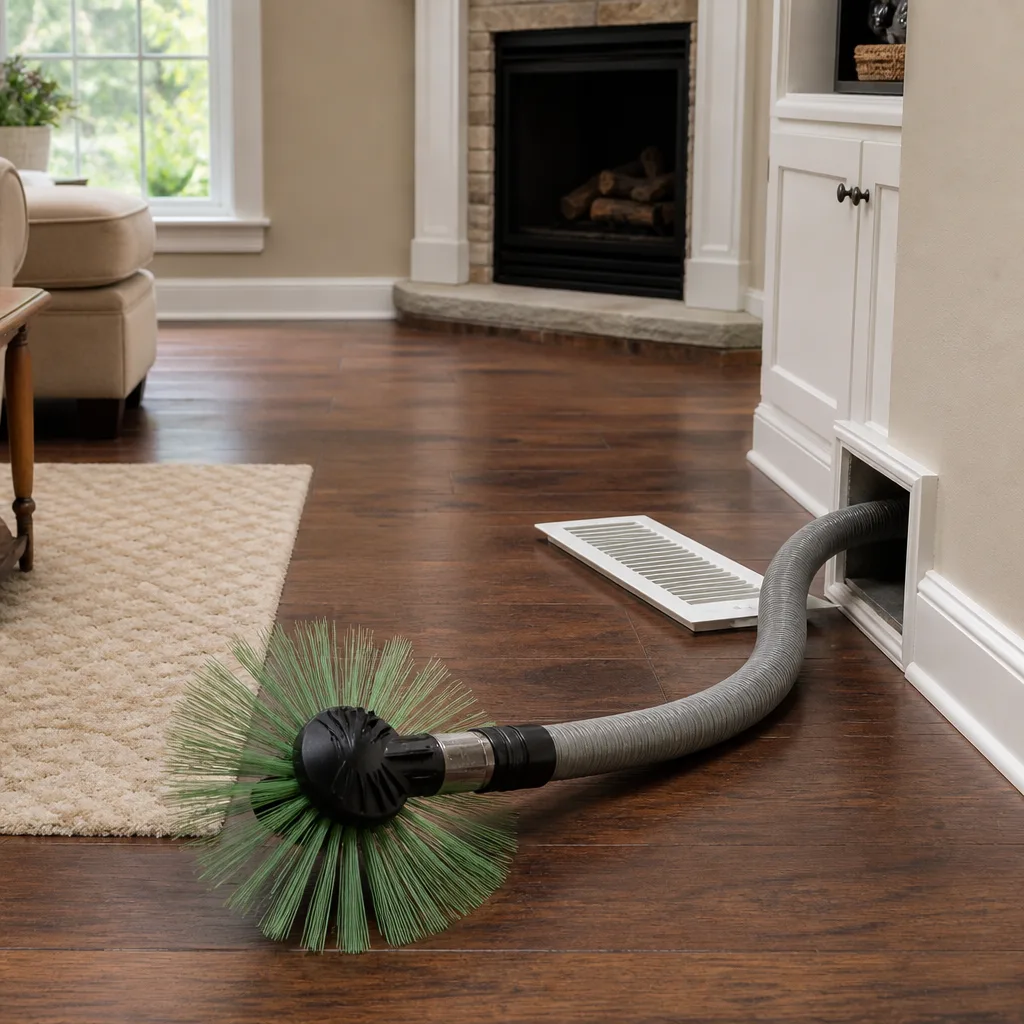 Whole-home duct cleaning
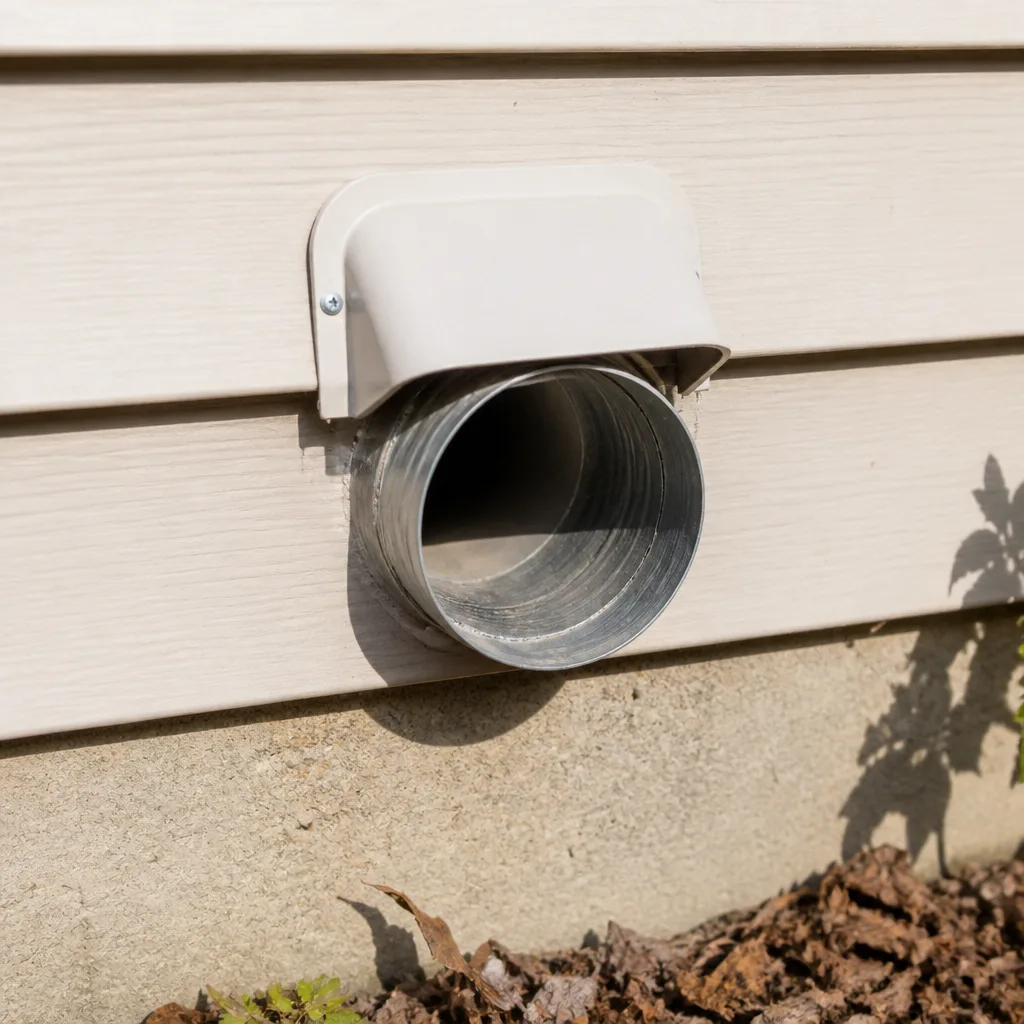 Dryer vent cleaning
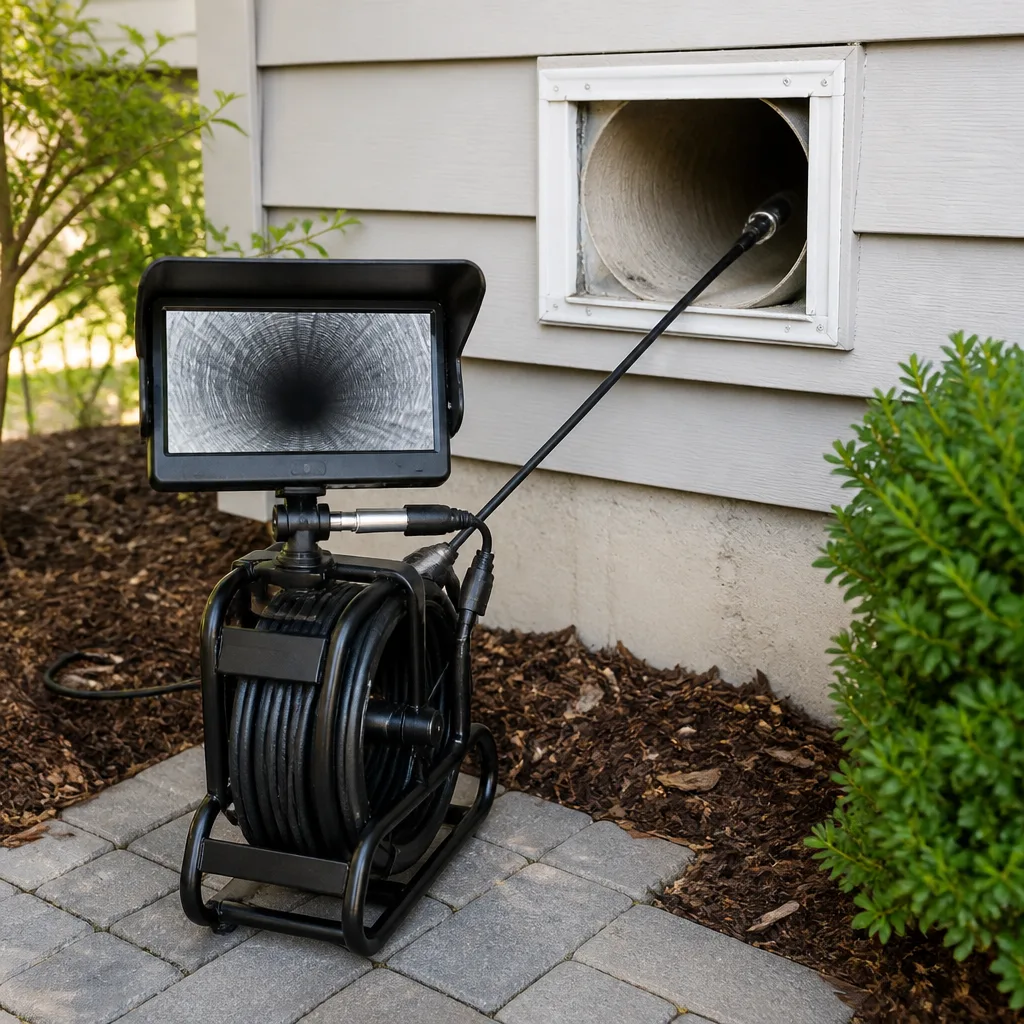 Camera inspection
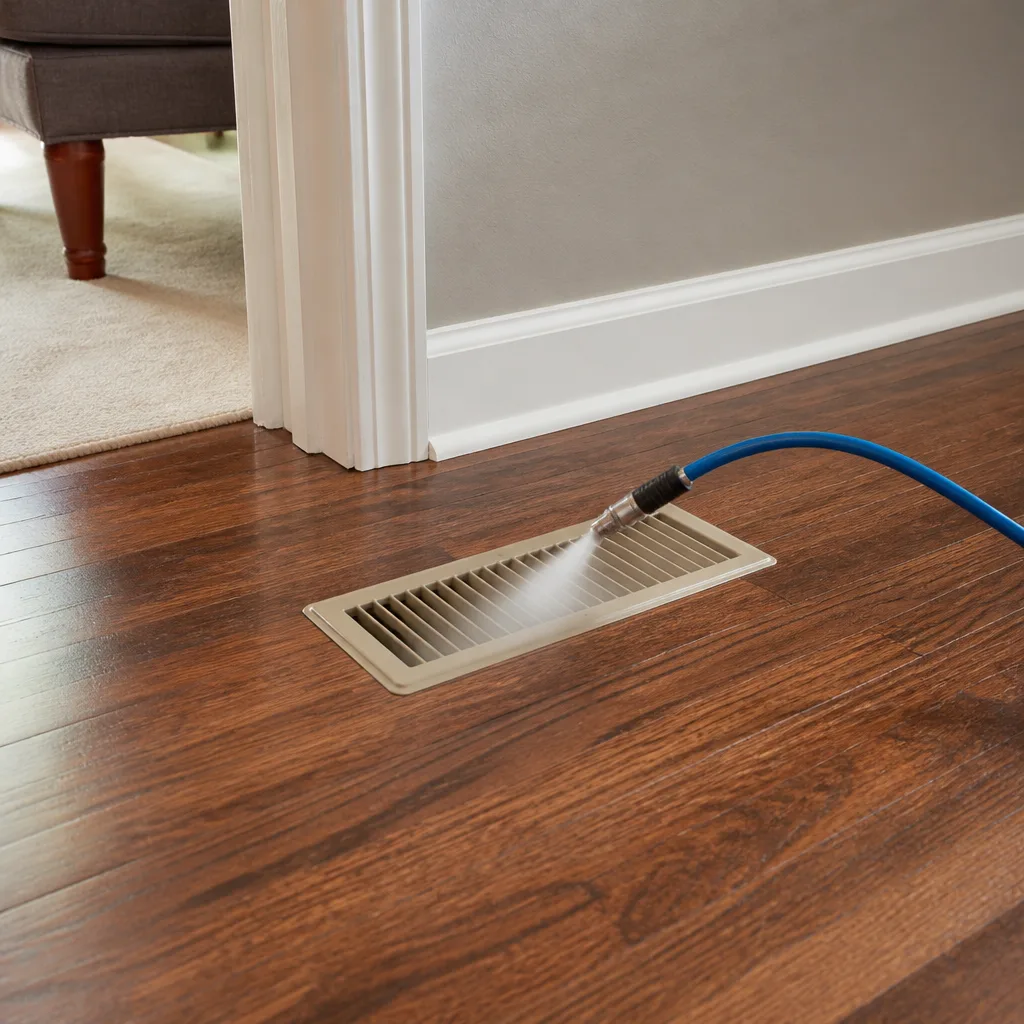 Sanitizing & deodorizing
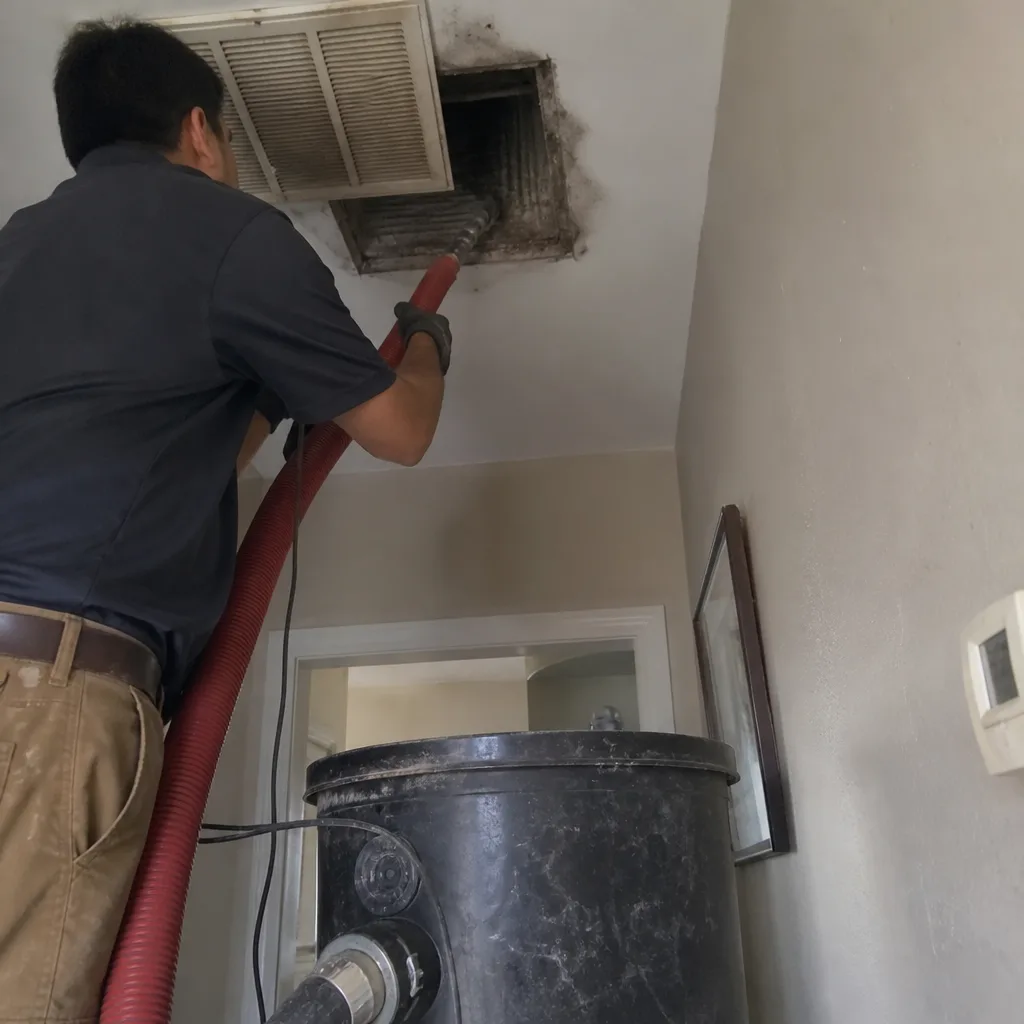
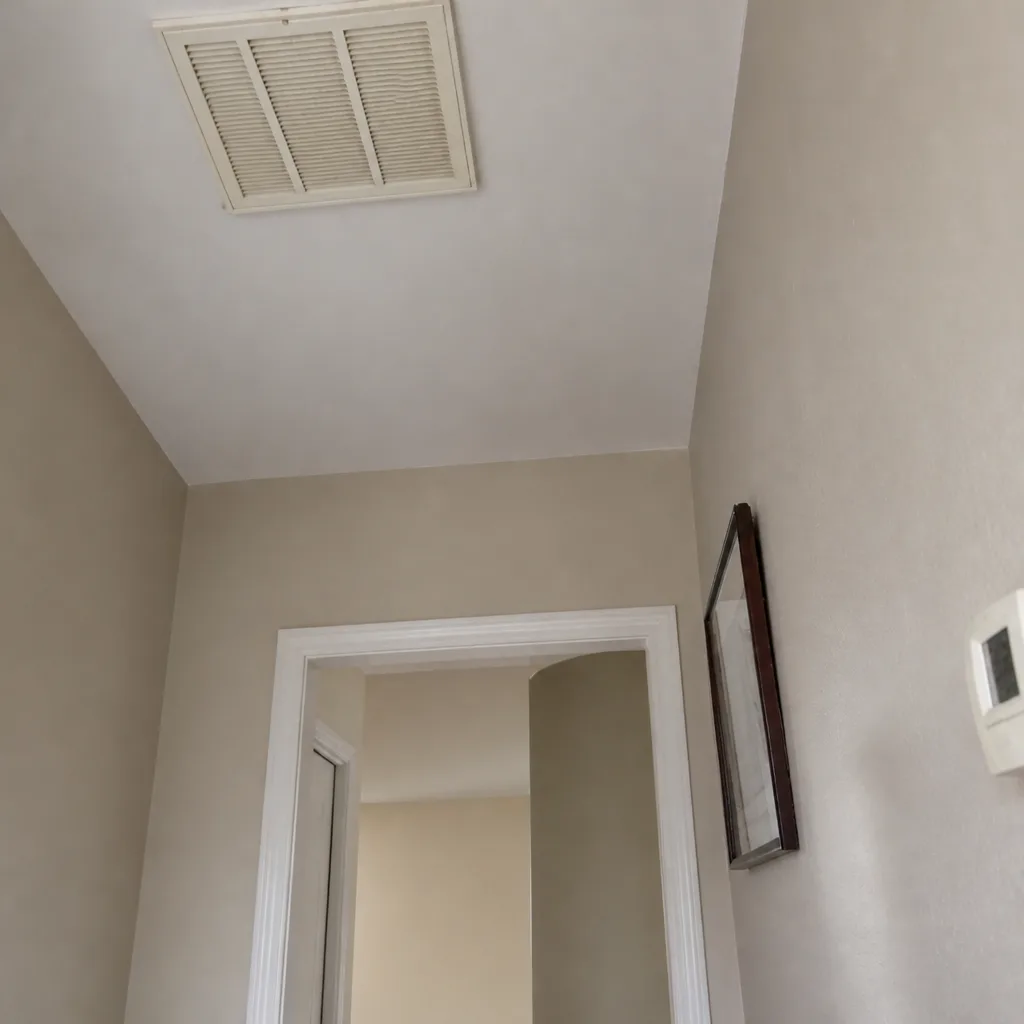
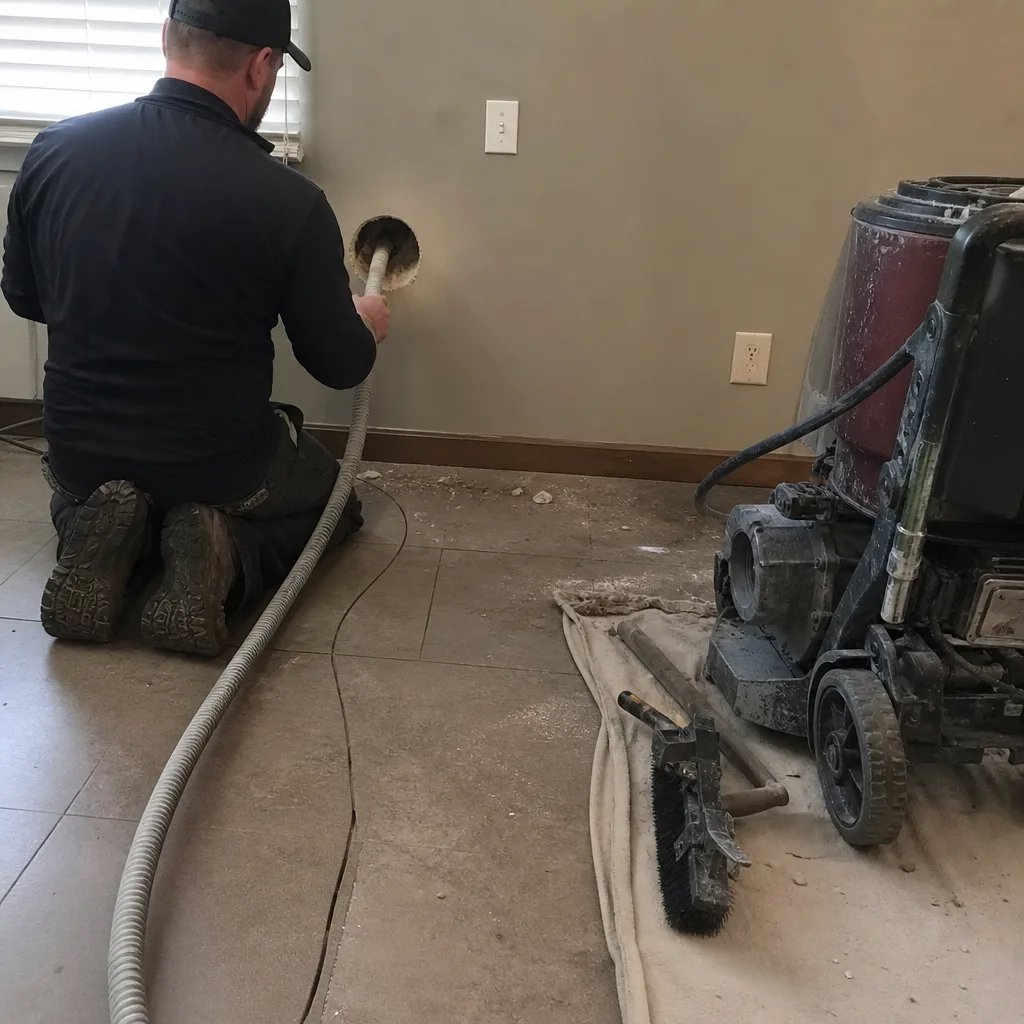
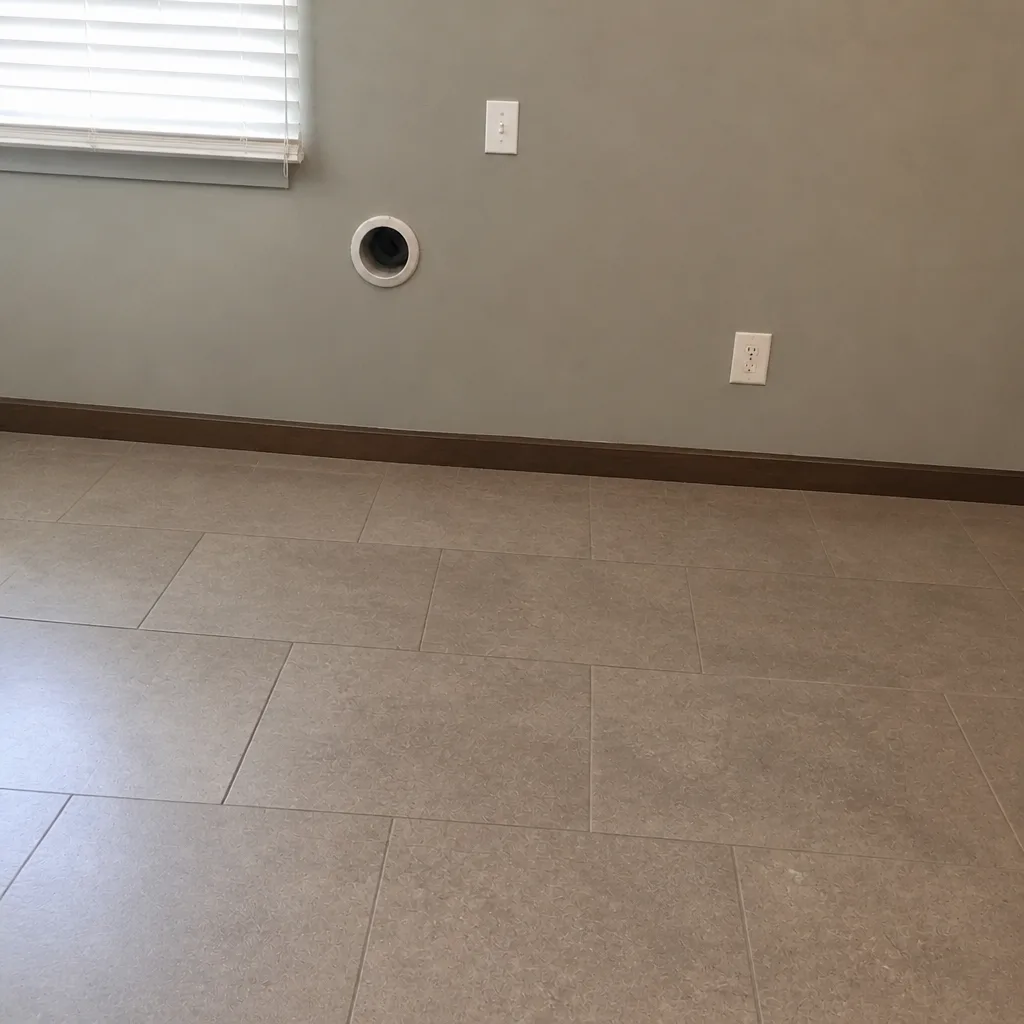
Whole-system duct and dryer vent check with before-and-after photos - you see exactly what came out of your vents
That "$99 whole-house special" is a bait ad - the real number appears once they are in your hallway, or the "clean" is a shop-vac at the register. We photograph the inside of your ducts before and after instead.
Air Duct Cleaning Permits, Codes & Inspections in Abilene, TX: What You Need to Know
Here’s the part most homeowners miss: cleaning your ducts doesn’t require a permit in Texas. But the moment a contractor starts cutting into ductwork, sealing joints, replacing a plenum, or proposing to treat what looks like mold growth, the rules change. That shift from cleaning into repair or remediation is where licensing, permits, and inspection requirements kick in across Abilene, and it’s where an unlicensed operator suddenly becomes your liability. In this guide, we’ll walk through exactly what Texas mechanical code treats as cleaning versus repair, what the City of Abilene building services department actually requires before duct-adjacent work begins, how to verify a contractor through TDLR, and what paperwork you should keep when any duct modification happens in your home.
Quick Answer
Air duct cleaning itself does not require a permit in Abilene, TX, because it’s a maintenance service rather than construction or mechanical alteration. But if a contractor proposes cutting, sealing, replacing duct sections, or performing mold remediation, that crosses into licensed HVAC work and may require a permit and inspection through the City of Abilene’s building services department. Before any cutting or sealing begins, verify your contractor’s Texas HVAC license through TDLR’s free online lookup.
Styles & brands we work with
- Whole-home duct cleaning
- Dryer vent cleaning
- Camera inspection
- Sanitizing & deodorizing
Table of Contents
- Cleaning vs. Repair: Where the Line Sits Under Texas Mechanical Code
- What the City of Abilene Building Services Requires
- How to Verify a Contractor Through TDLR
- Mold Remediation Licensing: A Different Rulebook
- What Documentation to Request and Keep
- What Inspections Actually Cover
- Hiring Checklist Before Any Duct Work Begins
Cleaning vs. Repair: Where the Line Sits Under Texas Mechanical Code
Texas mechanical code, administered through the Texas Department of Licensing and Regulation, governs the installation, alteration, and repair of HVAC systems, including ductwork. Cleaning is not alteration. Repair and replacement are. The distinction matters because it determines whether the person in your attic needs a state license and whether the work requires a city permit.
At the cleaning end of the spectrum, you have routine maintenance: removing accumulated dust, debris, and particulate from the interior surfaces of supply and return ducts, registers, and plenum spaces. No cutting, no chemical alteration of the duct material, no structural change. This is what air duct cleaning actually is when it’s done properly, and it sits outside the permit process in Abilene.
At the repair end, you cross into licensed territory. The activities that typically trigger TDLR licensing requirements include:
- Cutting into existing duct runs to remove damaged sections
- Replacing flexible duct, rigid duct, or duct board segments
- Re-sealing disconnected joints with mastic or mechanical fasteners where the connection has failed
- Repairing or replacing a plenum, the box that connects your ductwork to the air handler
- Adding, removing, or rerouting supply or return branches
- Any work that changes the airflow design of the system
Those activities require a licensed HVAC contractor, and depending on scope, a permit. The gray zone many homeowners get caught in is a contractor who shows up for cleaning, then “discovers” a disconnected duct in the attic and offers to fix it on the spot. If that contractor isn’t licensed, the fix isn’t just questionable. It’s unlicensed work, and in a resale or insurance dispute, you’re the one holding the paperwork gap. Our approach at Duct Cleaning Abilene is to clean the duct, and then we can repair it, because we operate as a focused duct specialist that handles both sides of that line. If the repair requires a permit, we tell you before any cutting starts.
What the City of Abilene Building Services Requires
The City of Abilene issues permits through its building services department, and the department’s scope follows the adopted building and mechanical codes. For duct work specifically, the general rule Abilene homeowners should understand is this: cleaning is permit-free, and repair, replacement, or alteration that goes through the mechanical code typically requires a permit.
Here’s how the common duct-adjacent scenarios break down:
- Routine duct cleaning: No permit. No inspection. This is classified as maintenance.
- Duct replacement (one or more full runs): Generally requires a mechanical permit through the city. The permit application is typically filed by the licensed contractor, not the homeowner.
- Plenum repair or replacement: Typically permitted, because the plenum is part of the mechanical system’s pressure envelope.
- Sealing disconnected joints on existing duct: The permit threshold depends on scope. Small mastic repairs to an existing joint usually don’t rise to permit level, but reconfiguring a run does.
- Register or grille replacement: No permit if it’s a like-for-like swap. Changing size or location is a different conversation.
Because Abilene sits in a hot, dry climate where attics routinely reach punishing summer temperatures, ductwork here takes a real beating. Flexible duct that’s been baking in a West Texas attic for years can degrade, sag, or separate at the joints, and that’s how a routine cleaning visit turns into a repair conversation. Our technicians have up to 12 years of experience inspecting duct systems in this climate, and we can tell you plainly whether what we found is a cleaning issue or a repair issue. That distinction is the entire point of this guide. If it’s a repair, we explain the permit implications before touching anything.
For any specific address, the safest move is to call the City of Abilene building services department directly and ask whether the scope you’ve been quoted triggers a permit. Ask the contractor for the scope in writing first, then verify.
How to Verify a Contractor Through TDLR
The Texas Department of Licensing and Regulation maintains a free public license lookup. You can verify any HVAC contractor’s license status, expiration date, and complaint history in a few minutes, and it’s the single most useful thing you can do before letting anyone cut into your ductwork in Abilene.
Here’s the exact process:
- Ask the contractor for their company name and their TDLR license number before you book the job. A legitimate air conditioning and refrigeration contractor will give you this without hesitation.
- Go to the TDLR website and open the license search tool.
- Search by either the license number or the business name.
- Confirm the license type is active and reflects the work being quoted (air conditioning and refrigeration contractor, not a general handyman registration).
- Check the expiration date. An expired license is not a license.
- Review any public complaint history. A single complaint isn’t disqualifying, but a pattern of them tells you something.
- Take a screenshot and save it with your job file. It takes 30 seconds and it’s useful if anything goes sideways later.
This step is easy to skip because the contractor shows up looking professional and talks confidently. But the TDLR lookup is the difference between hiring someone accountable to the state and hiring someone who isn’t. If a contractor represents themselves as licensed but can’t produce a number, or the number doesn’t check out, that’s your answer. Decline the job.
For cleaning-only work, TDLR licensing isn’t strictly required because cleaning isn’t a mechanical alteration. But when you’re hiring a company that also offers repair, the license matters. We work with independent local professionals who hold the proper credentials, and we’ll always tell you which part of a job requires which.
Mold Remediation Licensing: A Different Rulebook
This is the section that saves homeowners the most money. Duct cleaning is not mold remediation, and conflating the two is one of the most common ways unlicensed operators sell treatments homeowners don’t need.
In Texas, mold remediation is regulated separately from HVAC contracting. A contractor performing mold assessment or mold remediation must hold the appropriate mold license through TDLR, and the work is subject to specific protocol requirements that go well beyond running a vacuum through a duct. When someone tells you there’s mold in your ducts and offers to “treat” it during a cleaning visit, they’re claiming to do regulated work.
What to know before you agree:
- Not all discoloration is mold. Dust, soot, and debris can look like fungal growth. A licensed mold assessor evaluates; a duct cleaner should not be diagnosing.
- Assessment and remediation are separate licenses. The person who tests for mold shouldn’t be the same person who profits from removing it, in a properly structured job.
- Duct cleaning is a legitimate service on its own. You don’t need to justify it with a mold finding. If your ducts are full of dust, cleaning them is worthwhile for airflow and air quality reasons regardless of what a test says.
- Ask what’s actually in the duct before agreeing to treatment. A contractor using proper equipment, like the Rotobrush rotary-brush system and Nikro HEPA vacuum extraction, can show you the before-and-after condition. If the “mold treatment” comes with no evidence and a large price tag, decline it.
In our experience in Abilene, the honest answer is usually the boring one: your ducts have dust, hair, construction debris, or pet dander in them, and cleaning them makes a real difference. Actual mold contamination in residential ductwork is less common than the scare sales imply. When it does show up, it deserves a licensed mold professional, not a duct cleaner improvising.
What Documentation to Request and Keep
If any duct modification happens in your Abilene home, the paperwork matters beyond the week the job finishes. Texas requires sellers to disclose known material defects during a residential sale, and duct work that involved repair, replacement, or remediation is the kind of thing a buyer’s inspector will flag. Having the documentation ready demonstrates the work was done properly, by a licensed contractor, with the required permits.
Request and retain the following when a job goes beyond cleaning:
- The written estimate and scope of work. It should describe exactly what’s being repaired or replaced, not just “duct work.”
- The contractor’s TDLR license number. Confirm it on the state lookup before the work begins.
- The permit number and inspection record if a permit was pulled. The city will have it on file, but keep your own copy.
- Before-and-after photos of the work. Any contractor using proper equipment should be able to show you what the duct looked like before and after. We photograph every job for this reason.
- Material specifications if duct segments were replaced (duct type, insulation rating, manufacturer).
- A dated invoice with the contractor’s business name, address, and license number. A handwritten note on a receipt isn’t enough.
- Any mold assessment or remediation documentation if that work was performed, including the licensed assessor’s report.
File all of it. When you eventually sell, this folder is worth more than you might expect. Buyers walk away from homes with contractor work that can’t be documented, and this is doubly true in Abilene’s older housing stock where attic ductwork has often been patched or extended by previous owners with no record at all.
What Inspections Actually Cover
If a permit was required for your duct work, an inspector from the City of Abilene will verify the work against the approved scope. Understanding what the inspector looks at helps you know what to expect and helps you push back if your contractor’s work looks spotty.
A typical mechanical inspection for duct work focuses on:
- Compliance with the approved plan. What was permitted is what should have been installed.
- Duct material and support. Flexible duct should be properly supported, not sagging or crushed, and rigid duct should be sealed at connections.
- Connection integrity. Joints between duct segments and at the plenum must be sealed and secure.
- Clearance from heat sources. Ductwork near a furnace or flue requires proper clearance.
- Airflow design. If the system was altered, the inspector verifies it against the load and design that was approved.
What inspectors do not look at is the cleanliness of the duct interior. That’s not a code issue. So “our work passed inspection” is not the same as “our work cleaned your ducts.” Those are two separate things, and any honest contractor will tell you so.
For the cleaning side of the work, there’s no formal inspection process, which is exactly why homeowners need other ways to verify. Our approach is before-and-after photography and a clear written scope. If the technician can’t explain what was cleaned and show evidence of it, you don’t have a confirmed result, whether or not a permit was involved.
Hiring Checklist Before Any Duct Work Begins
This is the practical list to work through when you’re hiring someone to enter your attic and touch your ducts in Abilene. Run through it every time.
- Get the scope in writing first. “Duct cleaning” and “duct repair” are different jobs. Make sure the estimate specifies which.
- Verify the TDLR license if any repair, replacement, or alteration is part of the job.
- Ask if a permit is required for the specific work being quoted, and whether the contractor will pull it.
- Confirm the equipment. Professional-grade systems like Rotobrush and Nikro aren’t the same as a shop-vac. Ask what’s actually being used.
- Ask about containment. A contractor who cleans ducts without containing the dust during the job is spreading it through your house. We use Abatement Technologies air filtration on every job for this reason.
- Ask what’s excluded. A duct cleaner who then can’t handle a disconnected joint sends you looking for a second contractor. Prefer a company that can handle both cleaning and repair under one scope.
- Ask about documentation. Before-and-after photos, a written invoice, license details. Any of these missing is a warning sign.
- Decline any “mold treatment” offered without a licensed assessment. If actual contamination is suspected, that’s a separate, licensed conversation.
If you’re hiring for dryer vent cleaning at the same time, ask whether that’s handled by the same crew. Dryer vents are a fire hazard the U.S. Fire Administration has documented as responsible for thousands of residential fires annually, so it’s a service worth getting right, not a throwaway add-on.
Common Mistakes to Avoid
- Assuming a permit is always required for duct cleaning. It isn’t in Abilene. But you shouldn’t assume it’s never required either. Ask about the specific scope being quoted, not the general category of work.
- Letting an unlicensed contractor seal or cut ducts during a cleaning visit. This is the single most common trap. Verify the TDLR license before anything beyond cleaning begins.
- Accepting a “mold treatment” without a licensed assessment. If mold is genuinely suspected, the assessment and the remediation are regulated work with specific license requirements. A duct cleaning technician isn’t qualified to diagnose or treat it.
- Skipping the documentation and then trying to reconstruct it years later. Photos, invoices, and license details should be in a file the same week the work finishes. Buyers and inspectors ask for these during resale, and a missing paper trail creates avoidable friction.
- Hiring on price without asking about equipment. A quote that seems unusually low usually means consumer-grade tools rather than professional systems like Rotobrush or Nikro. You can’t verify what was actually removed if the equipment wasn’t capable of removing it.
- Not pulling a permit when the scope clearly requires one. Duct replacement and plenum repairs typically require a mechanical permit in Abilene. Skipping it puts the burden on you, not just the contractor, if anything goes wrong later.
- Assuming “our work passed inspection” means clean ducts. Inspection covers code compliance, not cleanliness. Those are two separate things and the cleaning result needs its own verification.
See the difference
 Before
 After
 Before
 After
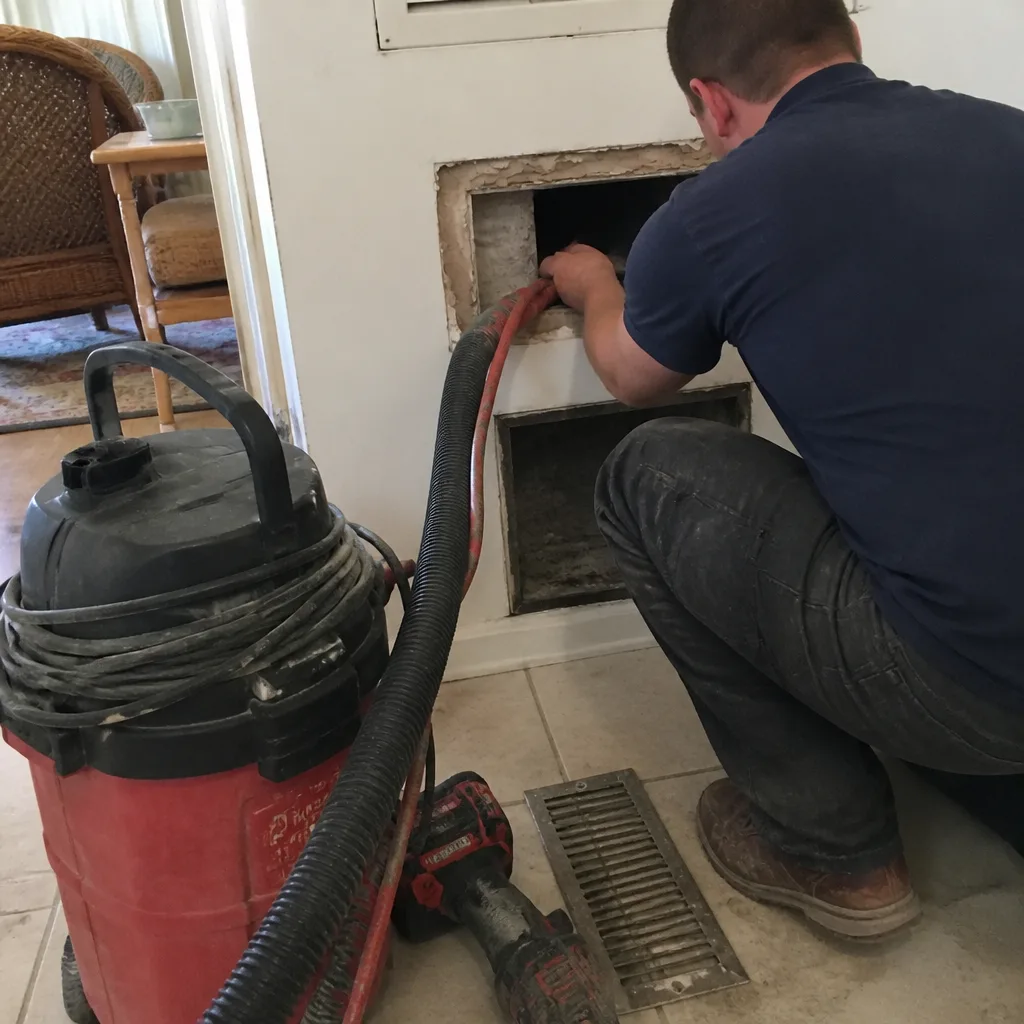 Before
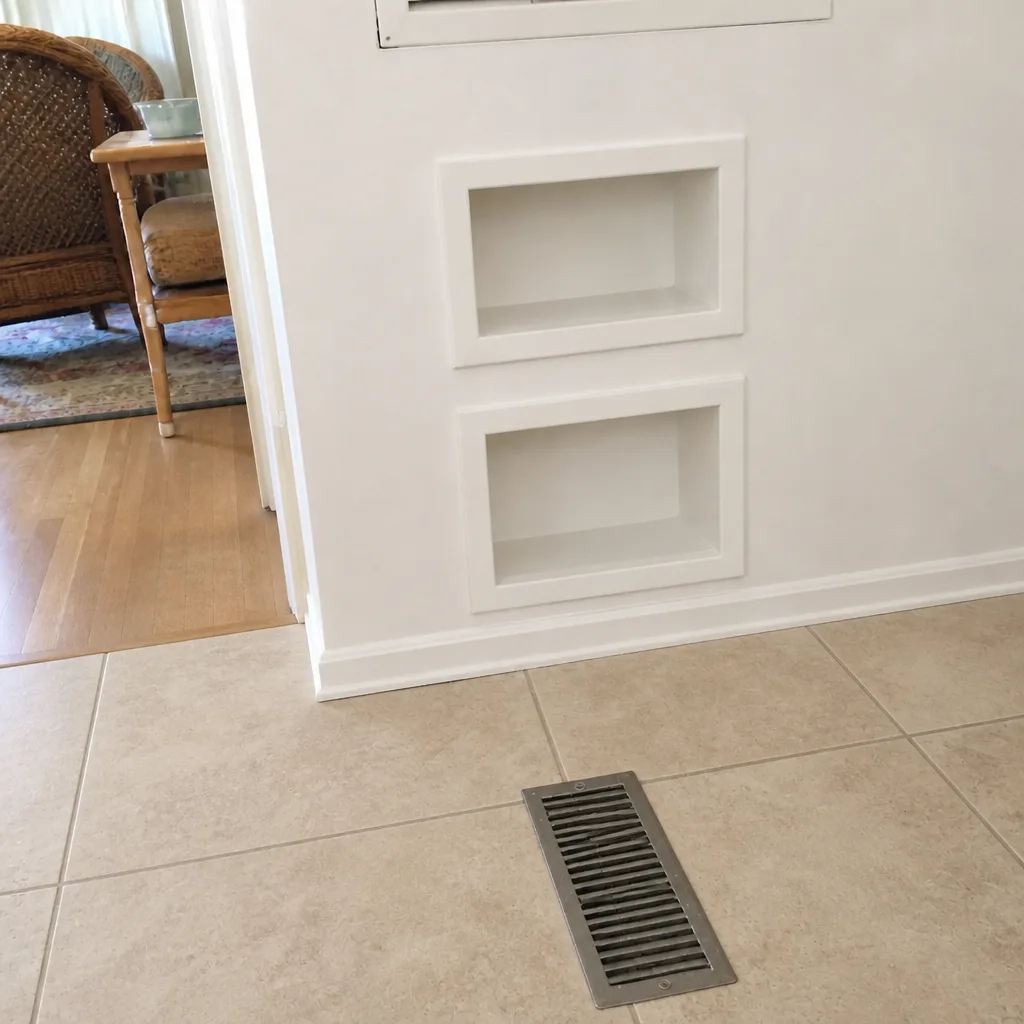 After
When to Call a Professional
Some duct issues are obviously a job for a specialist, and some are borderline. When in doubt, get an assessment from someone who can tell the difference. The scenarios that should always prompt a call include visible debris blowing out of registers, a noticeable drop in airflow through multiple rooms, unexplained musty odors in the house, a recent remodeling project that left construction dust in the system, or a duct system that hasn’t been cleaned in many years. The same is true if a previous contractor opened up ductwork and you’re not sure it was sealed back correctly, or if an inspector flagged duct issues during a home sale. Duct Cleaning Abilene offers free estimates in Abilene. Call (888) 618-8972. We answer 24/7. Fast dispatch from 7am to 7pm, Sunday through Friday. We walk through the scope, tell you plainly whether you’re looking at cleaning or repair, and explain what the permit implications are before touching anything.
Frequently Asked Questions
No. Air duct cleaning is classified as maintenance in Abilene and does not require a permit or inspection. It becomes a permit question only if the work crosses into repair, replacement, or alteration of ductwork, which falls under Texas mechanical code.
Cutting into ductwork, replacing duct segments, repairing a plenum, sealing a failed joint, or rerouting supply and return runs are all licensed HVAC work under Texas mechanical code. Cleaning the interior surface of the duct without cutting or altering it is not. If the contractor discovers a disconnected or damaged section and offers to fix it, ask for their TDLR number before agreeing. Call (888) 618-8972 for an exact quote on the scope you’re considering. Estimates are free.
Ask the contractor for their license number before the job is booked, then search that number or the business name on the TDLR website’s public lookup tool. Verify the license type, that it’s active, and check for complaint history. An active, correctly typed license is the standard. Anything less is a red flag.
True mold contamination in ducts is a remediation issue subject to separate Texas licensing through TDLR, not a duct cleaning issue. If a contractor diagnoses mold and offers to treat it during a cleaning visit, ask for their mold license and a licensed assessment report before agreeing to any treatment. In our experience most “mold findings” during duct cleaning trips turn out to be ordinary dust and debris. Call (888) 618-8972 if you want an honest second opinion on what’s actually in your system.
Yes. Texas requires sellers to disclose known material defects, and duct modification is the kind of thing a buyer’s inspector will flag. Keep the written scope, contractor’s TDLR number, permit record if applicable, before-and-after photos, material specs, and a dated invoice. This documentation is straightforward to assemble when the work is done and nearly impossible to reconstruct later.
Abilene’s attics routinely reach punishing summer temperatures. Flexible duct that’s been baking up there for years can degrade, sag, or separate at the joints. That’s why a routine cleaning visit here often surfaces repair needs. If we find something during cleaning, we tell you plainly whether it’s a cleaning issue or a repair issue, and the repair can usually be scheduled without a second contractor.
The Bottom Line
In Abilene, air duct cleaning doesn’t require a permit. But the moment the work crosses into cutting, sealing, replacing, or remediating, Texas licensing rules and City of Abilene permit requirements apply. The line between those two is where most homeowners get burned. Verify every contractor through TDLR before any cutting begins. Decline mold treatments offered without a licensed assessment. Keep documentation for any duct modification, because resale disclosure in Texas will eventually ask for it. Cleaning is maintenance. Repair is licensed work. Connecting homeowners to professionals who understand both is what duct cleaning in Abilene should look like, and it’s the standard we hold ourselves to. If you want a plain answer about what your ducts actually need, give us a call and we’ll walk through it.
If you’re looking for focused Abilene service that handles cleaning and repair under one scope, we’re here for it. Call (888) 618-8972 for a free estimate. We answer 24/7. Fast dispatch from 7am to 7pm, Sunday through Friday.
Written by the team at Duct Cleaning Abilene.